Industry Background and Market Demand
The toy manufacturing industry continues to grow as global demand for safe, flexible, and visually appealing materials increases. PVC Toy Film is widely used in the production of inflatable toys, soft play items, and decorative toy components. Its adaptability and cost-effectiveness make PVC Toy Film a common material choice for manufacturers seeking reliable performance in mass production environments. Rising consumer interest in colorful and customizable toys has further supported the use of PVC Toy Film across different product categories.
Material Composition and Physical Properties
PVC Toy Film is produced from polyvinyl chloride combined with plasticizers and stabilizers that enhance flexibility and durability. The material is designed to be soft, stretchable, and suitable for forming various shapes. A PVC Toy Film typically exhibits consistent thickness and smooth surface characteristics, which contribute to uniform appearance and ease of processing during manufacturing. These properties make PVC Toy Film suitable for products requiring sealing, molding, or heat-based forming techniques.
Production Process and Manufacturing Steps
The production of PVC Toy Film involves several controlled stages to ensure consistent quality. These stages may include raw material mixing, extrusion, calendaring, cooling, and surface treatment. Each step contributes to achieving the desired film thickness, transparency, and mechanical properties. A PVC Toy Film is processed under regulated conditions to maintain stability in color and structure, supporting efficient downstream fabrication in toy production lines.
Application Areas in Toy Products
PVC Toy Film is commonly used in inflatable toys such as balls, water toys, and air-filled play items. It is also used in soft toy packaging, decorative elements, and protective coverings. The flexibility of PVC Toy Film allows it to be sealed into various shapes and sizes using heat sealing techniques. Manufacturers rely on PVC Toy Film for both functional and aesthetic components within toy designs.
Design Variations and Visual Features
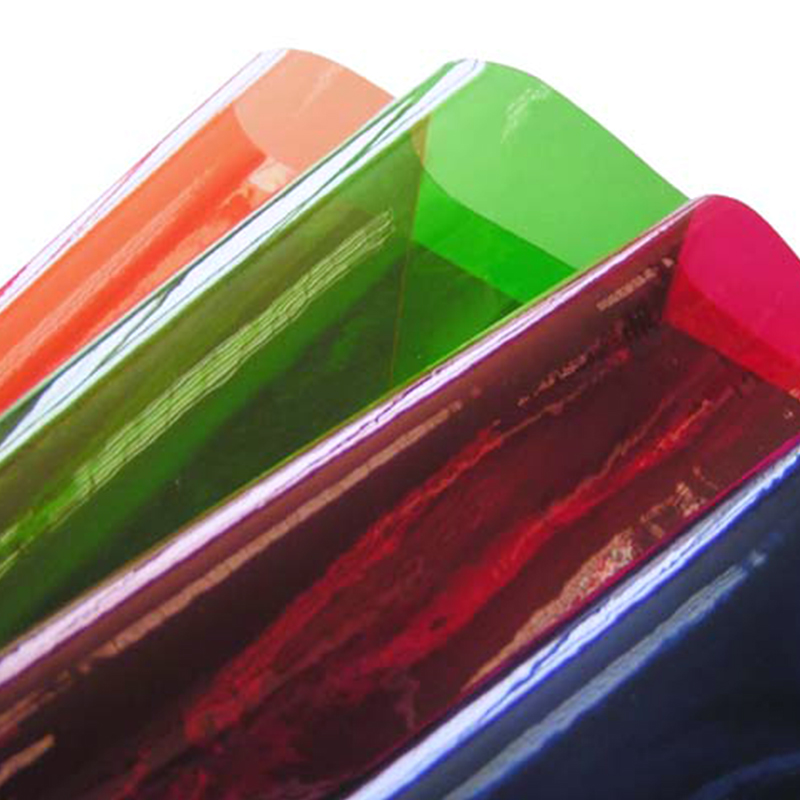
A PVC Toy Film is available in multiple colors, patterns, and transparency levels. These variations enable manufacturers to create visually engaging products that attract consumers. Printed designs, glossy finishes, and embossed textures can be applied to PVC Toy Film to enhance appearance. The ability to incorporate custom graphics and branding makes PVC Toy Film suitable for a wide range of toy concepts and themes.
Processing Techniques and Fabrication Methods
During toy production, PVC Toy Film is typically processed using heat sealing, high-frequency welding, or ultrasonic bonding techniques. These methods allow different sections of the film to be joined securely to form enclosed structures. A PVC Toy Film responds well to these processes due to its thermoplastic nature, enabling efficient shaping and assembly in manufacturing environments.
Safety Considerations and Material Handling
Manufacturers working with PVC Toy Film follow strict guidelines for material handling and production practices. The film is selected and processed according to relevant product standards applicable to toy manufacturing. A PVC Toy Film is tested for consistency in physical properties to ensure it performs as expected during use. Proper handling during production helps maintain product integrity across batches.
Packaging and Distribution Channels
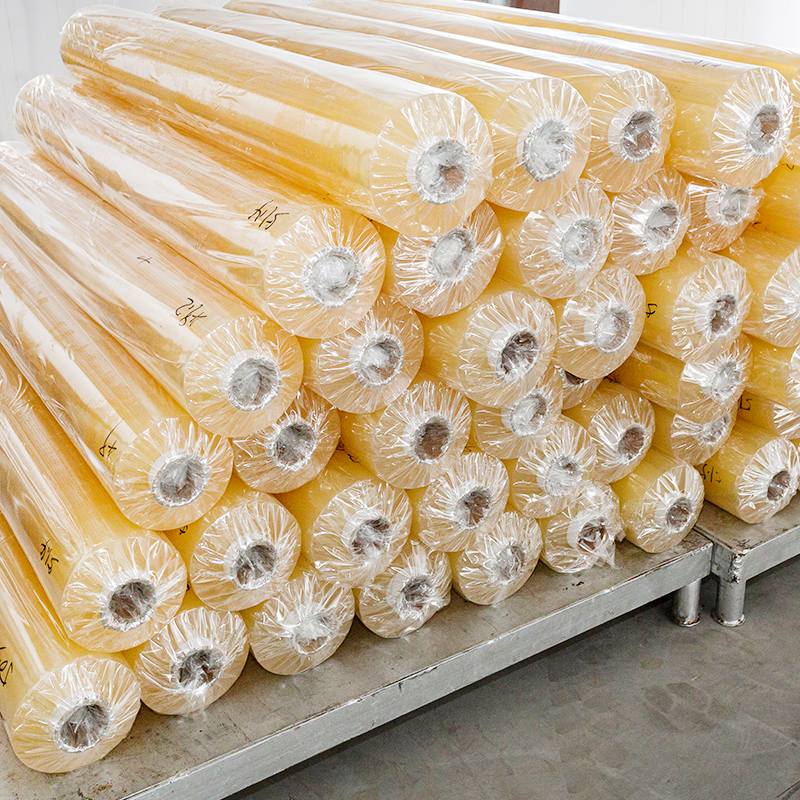
A PVC Toy Film is distributed through material suppliers, wholesalers, and manufacturing partners. Packaging methods often involve rolls or sheets protected with wrapping materials to prevent contamination and damage. Efficient storage and transportation systems help preserve the condition of PVC Toy Film before it is used in production lines. Distribution networks support both large-scale factories and smaller production units.
Industry Trends and Future Development
The toy industry continues to evolve with increased demand for customization, vibrant designs, and flexible manufacturing materials. PVC Toy Film remains relevant due to its adaptability and suitability for various processing methods. Ongoing improvements in material formulation and production techniques contribute to enhanced performance characteristics. As manufacturers explore new product designs, PVC Toy Film continues to serve as a practical material choice for a wide range of toy applications.
For more information on PVC Toy Film, visit our product page and learn how this innovative technology can support your toy manufacturing and product development requirements.



 English
 русский
 Español
 عربى
عربى

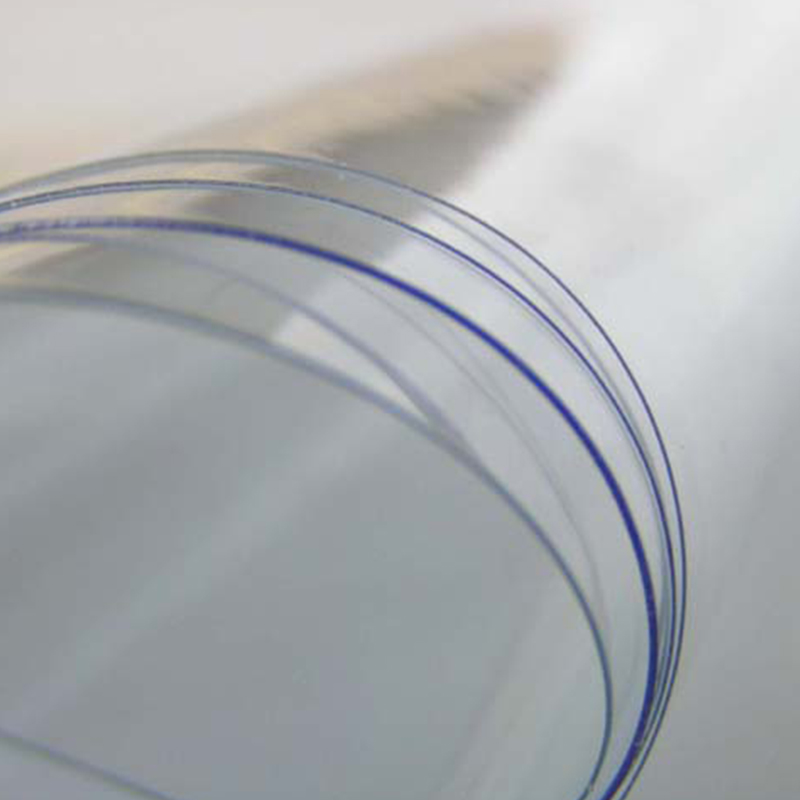 OverviewOur Super Clear PVC Film for tablecloths offers ultra-transparent protection while maintaining a sleek appe...
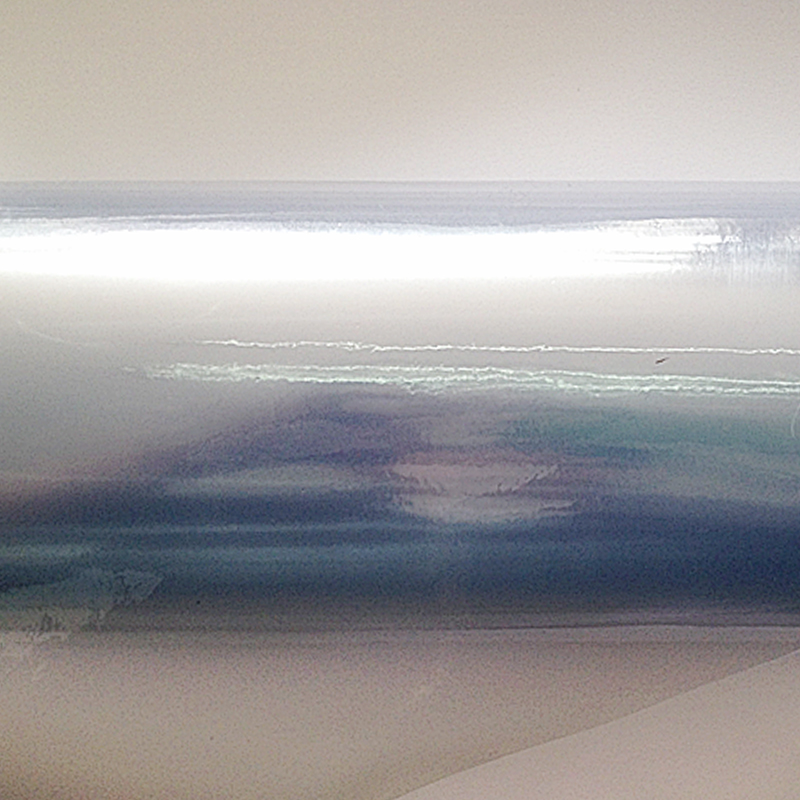 OverviewReliable clear PVC film featuring a powdered, non-sticky surface and slightly lower clarity. Normal Clear P...
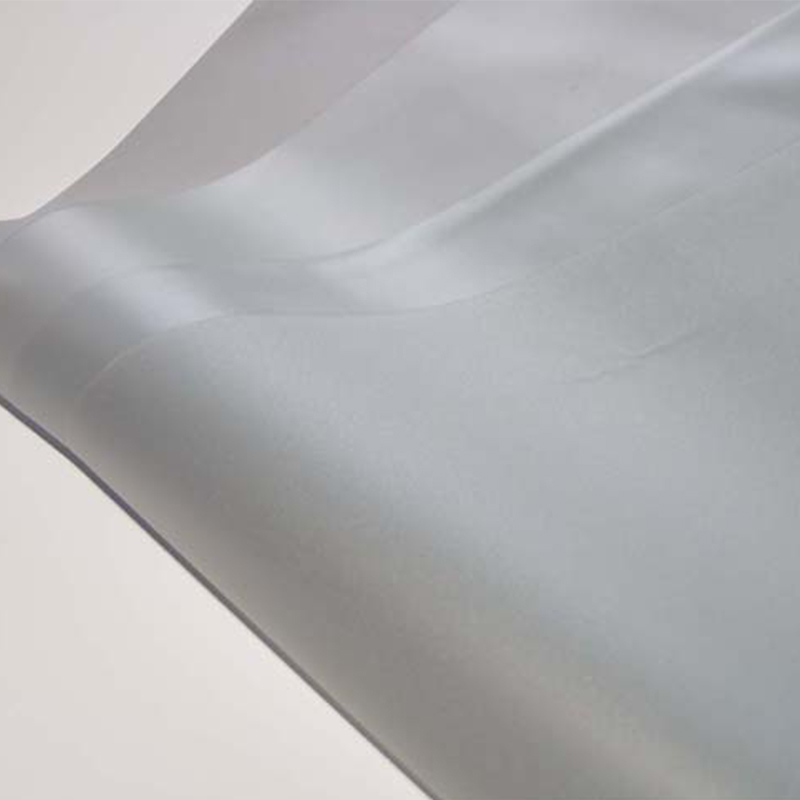 OverviewSemi-transparent PVC film with matte finish, delivering light diffusion and a refined tactile feel. Flexibl...
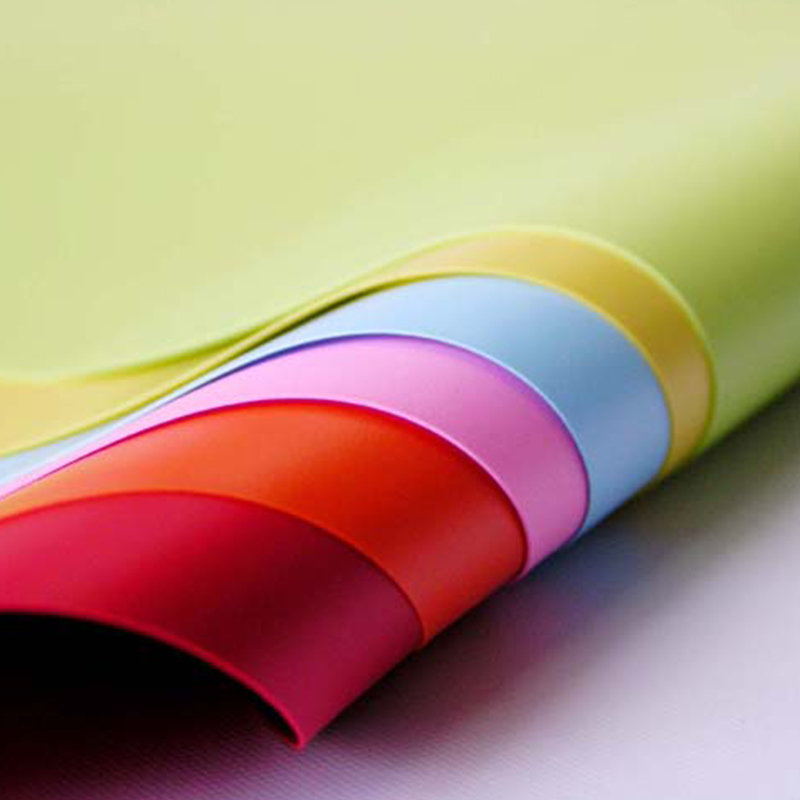 OverviewDecorative yet functional embossed PVC film combining color and surface texture for protective book covers....