

 English
 русский
 Español
 عربى


Materials used in manufacturing often need to do more than one job. A covering may need to protect a surface while keeping the product visible. A packaging material may need to support presentation as well as everyday handling. In some products, flexibility is also important because the material needs to follow a curved or irregular shape.
This is where Transparent PVC Film can be considered for a range of applications. Its clear appearance allows the covered item to remain visible, while its flexible form makes it suitable for different product designs and covering needs.
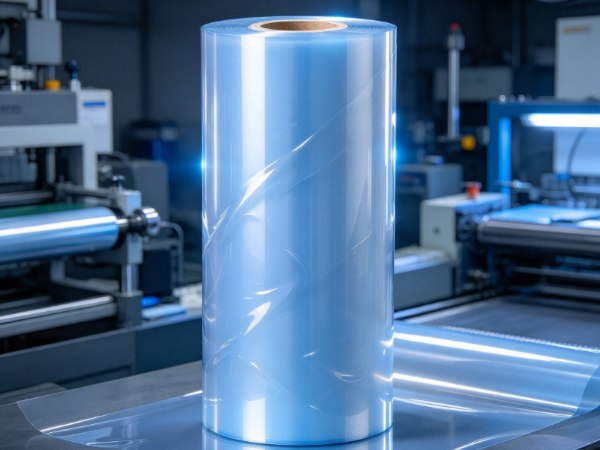
PVC Film can be found in packaging, surface protection, interior products, flexible coverings, and other manufactured goods. The exact application depends on the product structure, the expected use, and the way the film is processed.
For manufacturers and buyers, the application should be considered before selecting a film. A material that works well for one product may not be the right choice for another. Surface condition, appearance, flexibility, handling, and the intended environment can all influence the decision.
Understanding where Transparent PVC Film can be applied gives product developers a clearer starting point when planning new products or reviewing existing materials.
Where Is Transparent PVC Film Used in Packaging?
Packaging is one of the areas where transparency can be useful.
Some products need to remain visible after they are packaged. Buyers may want to see the general appearance of an item without opening the package. A transparent covering can support this type of product presentation.
PVC Film can be used in suitable packaging designs where visibility and flexible covering are needed. It may form part of a package or serve as a clear covering over a product.
The material can be considered for different types of packaging products, depending on their structure and intended use.
| Packaging Application | Possible Role of Transparent PVC Film |
|---|---|
| Product Covering | Keeps the product visible while providing a covering |
| Display Packaging | Supports product visibility during presentation |
| Flexible Packaging | Fits packaging designs that require a flexible material |
| Protective Packaging | Can form part of a covering used during handling |
| Retail Packaging | Allows the appearance of the packaged product to remain visible |
The visual aspect can be particularly useful for products where appearance matters. A clear covering can let the shape, color, or general design remain part of the presentation.
Packaging manufacturers also need to consider how the film will be combined with other packaging materials. The final package is usually a complete system rather than a single material.
For this reason, buyers may discuss the intended package structure with the film supplier before selecting a product.
Can Transparent PVC Film Be Used for Product Protection?
Protection is another important application area.
Manufactured products may be exposed to dust, handling, scratches, or other everyday contact before they reach their final destination. A suitable film can be used as a covering in some situations.
The transparent appearance offers a practical advantage when the product needs to remain visible.
For example, a covered surface can still show its general appearance while the film provides a layer between the product and its surrounding environment.
This approach can be useful for products where appearance needs to be maintained during storage, transportation, display, or handling.
Possible applications include:
- Furniture surfaces
- Interior panels
- Decorative products
- Household items
- Display products
- Manufactured components
- Certain packaging products
The exact protective role depends on the film and the product itself.
A film should not be treated as a universal protective solution. Different products have different surface conditions and handling requirements. Buyers need to consider what type of contact the material is expected to manage.
The way the film is applied also matters. A flat surface may require a different approach from a curved product.
Manufacturers can therefore evaluate the complete application rather than selecting a film based only on its transparent appearance.
How Is Transparent PVC Film Applied to Furniture and Interior Products?
Furniture and interior products often place considerable attention on surface appearance.
Cabinet panels, furniture components, interior coverings, and decorative surfaces may use films to change or protect the appearance of a product. Transparent film provides an option when the underlying surface needs to remain visible.
This makes it different from an opaque decorative film.
A transparent covering can allow the original surface to remain part of the design. It may be used when manufacturers want to add a protective or functional layer without completely hiding the surface underneath.
Potential applications include:
| Product Area | Possible Application |
|---|---|
| Furniture Panels | Surface covering while keeping the underlying appearance visible |
| Cabinet Components | Protective or functional covering |
| Interior Panels | Covering for selected interior surfaces |
| Decorative Furniture | Maintains visibility of the original design |
| Household Products | Flexible surface covering for suitable items |
The suitability of the film depends heavily on the surface.
A clean and suitable surface can make application easier. Uneven, damaged, or unsuitable surfaces may create a different result.
Designers also need to consider the visual effect. A transparent film can change how a surface looks even when the underlying design remains visible. The film may influence surface feel, reflection, or general appearance.
This means the material should be considered as part of the product design rather than as an isolated component.
Where Can Transparent PVC Film Be Used for Flexible Coverings?
Flexibility is useful when a material needs to follow a product rather than simply cover a flat area.
PVC Film can be considered for flexible covering products where the material needs to bend or move with the design.
This opens applications beyond rigid packaging and flat surface protection.
Flexible coverings can appear in different manufactured products. Some may require a clear section so users can see what is underneath. Others may use a transparent area as part of a larger product design.
The application can depend on factors such as:
- Product shape
Curved or irregular products may require a film that can follow the intended form. - Movement
Some coverings may need to flex during normal use. - Visibility
A transparent section can allow the covered area to remain visible. - Surface condition
The underlying product should be suitable for the intended application method. - Overall design
The film should fit naturally with the other materials used in the product.
These considerations are relevant to manufacturers developing flexible covers for different markets.
A transparent film can also be combined with other materials when a product needs different functions in different areas. For example, one section may require visibility while another section may use a different type of covering.
The final design depends on the product's purpose.
Is Transparent PVC Film Suitable for Display and Visibility Applications?
Visibility can be an important part of product design.
Some products are easier to understand when users can see their contents or internal appearance. Packaging, display products, storage items, and certain household products may benefit from a transparent section.
Transparent PVC Film can support this approach by creating a visible covering.
The value of transparency is not limited to retail shelves. It can also help during product handling or everyday use.
A transparent section may allow a user to check the condition or general contents of a product without removing the covering. This can make the material useful in designs where visibility is part of the user experience.
For product developers, several questions can help determine whether transparent film is appropriate:
- Does the product need to remain visible?
- Should the underlying surface remain part of the appearance?
- Is a flexible covering required?
- Will the film be used as a permanent or temporary component?
- Does the film fit the intended product structure?
- How will the film interact with other materials?
These questions can help narrow the application before a material is selected.
Transparency alone is not enough to determine suitability. The complete product design still needs to be considered.
What Other Products Can Use Transparent PVC Film?
The application range of PVC Film can extend beyond the familiar packaging and surface uses.
Different manufacturers may use transparent film according to their own product structures. The material can become part of a covering, display element, surface layer, or flexible component.
Potential product categories include:
| Product Category | Application Direction |
|---|---|
| Household Products | Clear covering or flexible surface component |
| Storage Products | Visible sections or flexible coverings |
| Display Products | Supports visibility of the product underneath |
| Interior Products | Surface covering for selected designs |
| Decorative Items | Keeps the underlying visual design visible |
| Industrial Products | Covering or protective component for suitable applications |
| Packaging Products | Flexible and visible packaging elements |
These applications should not be viewed as identical.
A storage product may have different requirements from a decorative interior product. An industrial component may need a different film selection from a retail package.
The film's role can also vary. In one product, it may be part of the visible outer surface. In another, it may act as a protective layer or flexible covering.
This flexibility in application is one reason material selection should begin with the product rather than with the film alone.
How Should Manufacturers Choose Transparent PVC Film for Different Applications?
Manufacturers usually need to connect material selection with the actual product they are developing.
The intended use provides a useful starting point. A film for packaging may have different requirements from one intended for furniture covering or a flexible product.
Manufacturers can review several areas before making a selection.
Application environment is important because the film may experience different types of handling depending on where it is used.
Surface condition should also be reviewed. The film needs to work with the surface and the selected application method.
Appearance matters when the product needs to remain visible. Buyers can consider whether the film provides the visual effect required by the product.
Flexibility becomes more important for curved or movable products. A suitable film should fit the intended product shape and use.
Processing requirements should also be discussed with the supplier. The manufacturer needs to understand how the material will be incorporated into the final product.
A simple evaluation framework can help:
| Consideration | Question for Manufacturers |
|---|---|
| Application | What role will the film play in the final product? |
| Surface | What type of surface will the film cover? |
| Visibility | How important is product visibility? |
| Flexibility | Does the film need to follow a curved or moving surface? |
| Appearance | What visual effect should the finished product have? |
| Handling | How will the product be stored, transported, or used? |
| Compatibility | Does the film fit with the other materials in the product? |
| Customization | Are specific film characteristics needed for the application? |
This process can also make supplier communication clearer.
Instead of asking only for a transparent PVC film, buyers can explain what the film needs to do. The supplier can then understand the application and recommend a product direction that matches the intended use.
What Should Buyers Ask a Transparent PVC Film Supplier?
Choosing a suitable supplier involves more than comparing product descriptions.
Buyers can begin by explaining the intended application. Whether the film is for packaging, furniture, surface protection, display products, or flexible coverings can affect the discussion.
Questions may include:
- What applications is the film designed for?
- Can the film be used on the intended surface?
- Is it suitable for flexible or curved products?
- How does the supplier support sample evaluation?
- Can the appearance be adjusted for different product designs?
- What application information can the supplier provide?
- Can the supplier support customized product requirements?
- How are product changes handled during development?
- Does the supplier offer film options for different application areas?
- What information should buyers provide before requesting a sample?
Samples can help buyers examine the material in relation to the actual product.
A sample can be reviewed for appearance, flexibility, surface feel, and general compatibility. This gives both sides a clearer basis for discussing possible adjustments.
Transparent PVC Film can be applied across packaging, surface protection, furniture, interior products, flexible coverings, display products, and other suitable manufactured goods. Its transparent appearance can be useful when visibility needs to remain part of the product, while its flexible form can support different covering designs. The suitable application depends on the product structure, intended use, surface condition, and requirements discussed between the buyer and supplier.