Material Composition and Core Characteristics
PVC automotive decorative film is a specialized flexible laminate primarily composed of polyvinyl chloride, engineered for both aesthetic enhancement and protective functions on vehicle surfaces. The film's structure typically consists of a durable, weatherable top coat, a pigmented or printed PVC core layer that provides color and design, and a pressure-sensitive adhesive backing protected by a release liner. Key characteristics that define its automotive suitability include flexibility to conform to complex curved panels, resistance to UV radiation to prevent fading and cracking, and durability against abrasion, chemicals like road salts and car wash detergents, and temperature cycles. The formulation by a PVC automotive decorative film manufacturer balances these properties to ensure long-term performance in the challenging automotive environment, both interior and exterior.
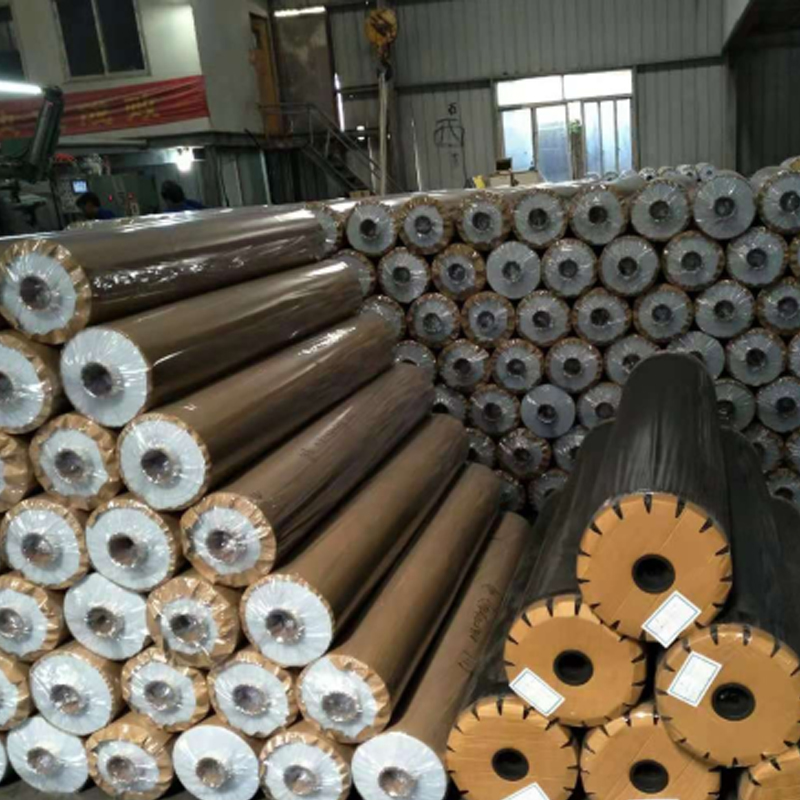
Exterior Applications: Styling and Protection
For exterior use, PVC automotive decorative film serves two primary purposes: cosmetic customization and paint protection. In customization, it is used for vehicle wraps to change the entire color of a car, create racing stripes, graphic accents, or commercial advertisements. The film allows for dramatic visual changes without the permanence or cost of a repaint. As a protective product, clear or tinted paint protection film is applied to high-impact areas like hoods, bumpers, and door edges to shield the factory paint from stone chips, minor scratches, and environmental contaminants. This exterior-grade PVC automotive decorative film is specifically engineered with enhanced tensile strength, self-healing properties for minor scratches, and exceptional clarity to preserve the underlying paint's appearance.
Interior Applications and Functional Integration
Inside the vehicle, PVC automotive decorative film is extensively used for interior trim components. It is laminated onto substrates like ABS plastic or wood grain panels to create the surfaces for dashboard trims, center console accents, door panel inserts, and steering wheel embellishments. This application provides cost-effective, durable, and visually appealing surfaces that can mimic materials like brushed aluminum, carbon fiber, or exotic woods. The film for interior use must meet additional specifications, such as resistance to fading from prolonged sun exposure through windshields, tolerance to contact with skin oils and cleaning agents, and often specific flame-retardancy standards for passenger safety. The versatility of PVC automotive decorative film makes it a key material for defining a vehicle's interior aesthetic theme.
Installation Process and Technical Demands
The application of PVC automotive decorative film, especially for full wraps or large panels, is a skilled technical process. It requires a clean, contaminant-free surface. Installers use squeegees and heat guns to carefully apply the film, stretching it gently to conform to compound curves and recesses without wrinkles or bubbles, and then trimming the excess. The adhesive is designed to allow some repositioning during application but to form a strong, permanent bond once set. The process demands an understanding of the film's stretch memory, adhesive properties, and the vehicle's panel geometry. Professional installation is crucial for achieving a seamless, factory-quality appearance and ensuring the longevity of the PVC automotive decorative film application.
Market Evolution and Sustainability Considerations
The market for PVC automotive decorative film is driven by trends in personalization, commercial fleet branding, and the demand for paint protection solutions. Innovations include films with ceramic coatings for easier cleaning, textured finishes, and increasingly sophisticated color-shifting or chrome effects. As environmental regulations tighten, manufacturers are also focusing on developing more sustainable products. This involves creating films with reduced VOC content, exploring bio-based plasticizers, and improving recyclability. The future of PVC automotive decorative film lies in advancing its performance attributes while addressing its lifecycle environmental impact, ensuring its continued relevance in the automotive styling and protection industries.



 English
 русский
 Español
 عربى
عربى

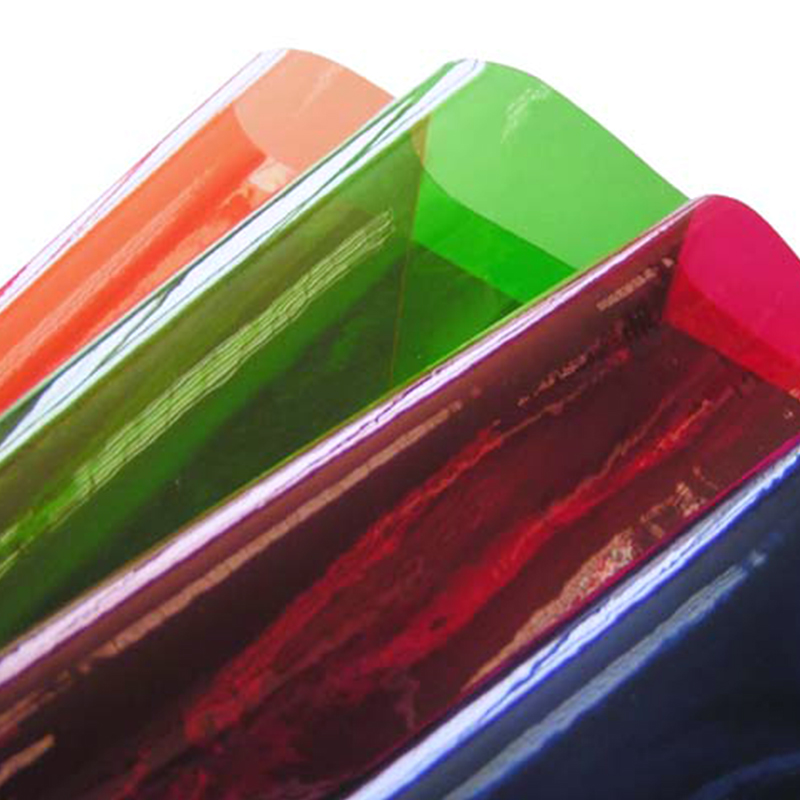
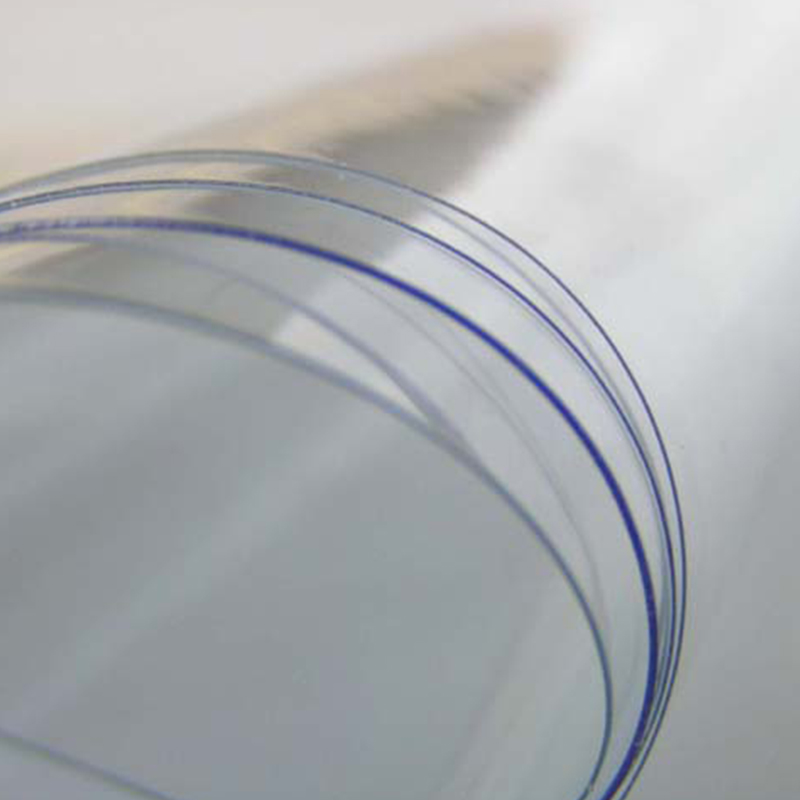 OverviewOur Super Clear PVC Film for tablecloths offers ultra-transparent protection while maintaining a sleek appe...
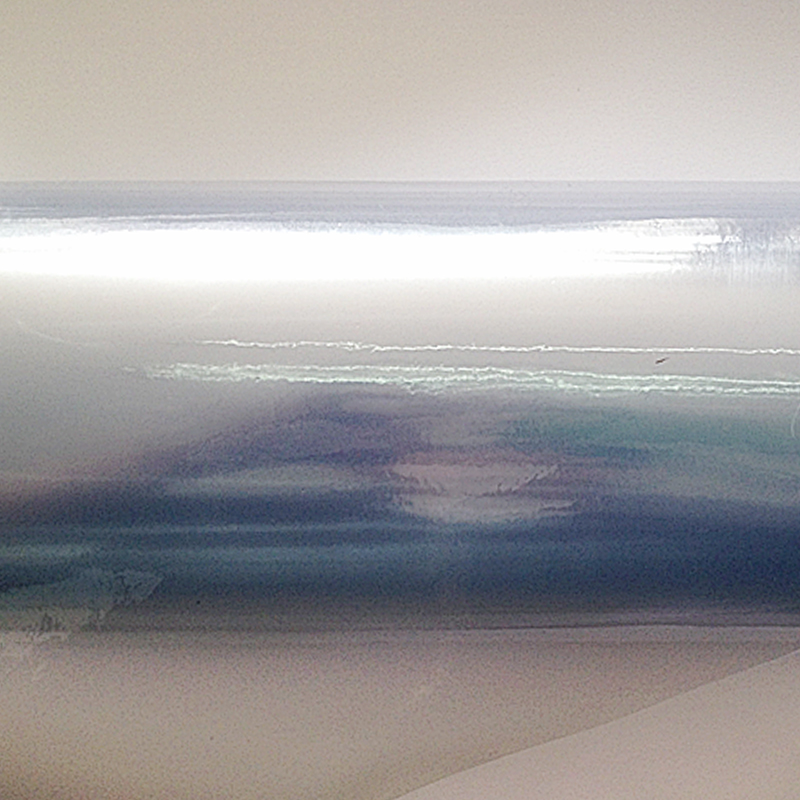 OverviewReliable clear PVC film featuring a powdered, non-sticky surface and slightly lower clarity. Normal Clear P...
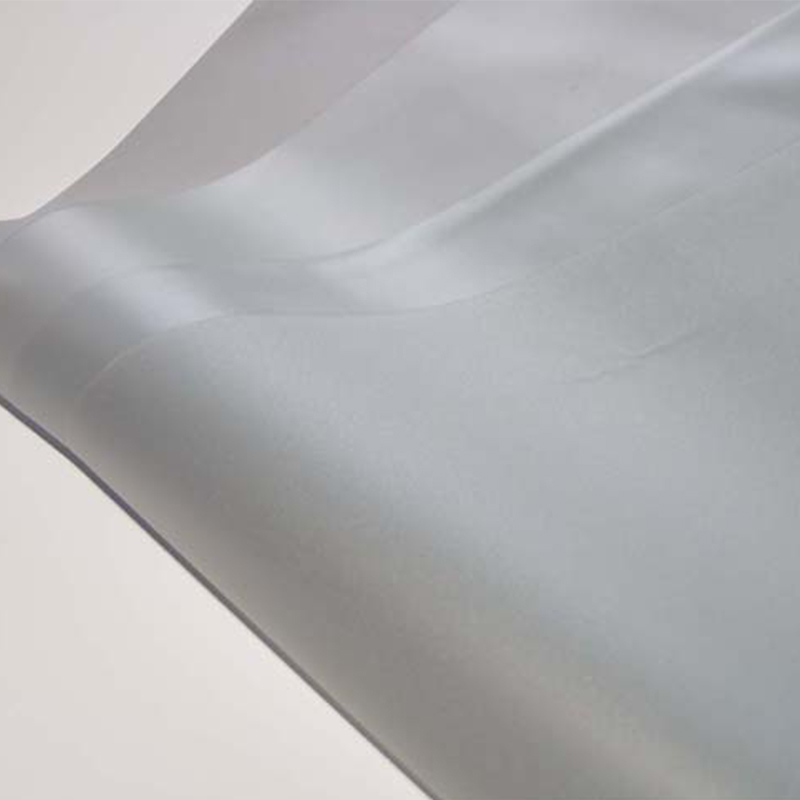 OverviewSemi-transparent PVC film with matte finish, delivering light diffusion and a refined tactile feel. Flexibl...
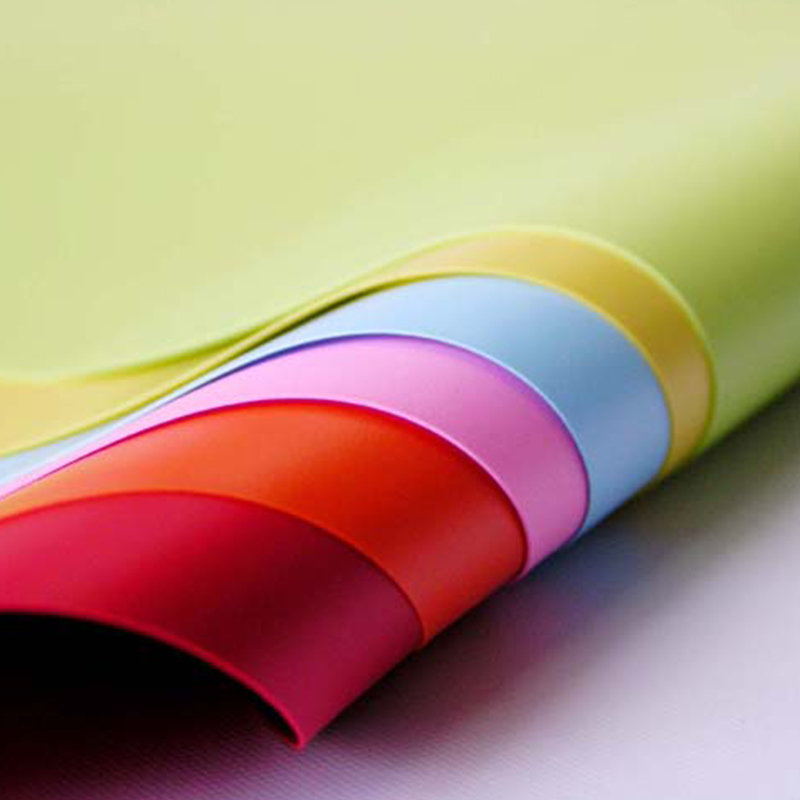 OverviewDecorative yet functional embossed PVC film combining color and surface texture for protective book covers....