The Plastic That Takes a Beating
Imagine standing outside in summer heat, winter cold, and pounding rain without any protection. That is exactly what the pipes on your air conditioner endure. Fortunately, PVC air conditioner wrap film acts as a tough, invisible jacket for these exposed lines. This flexible material wraps around the copper tubes and insulation, creating a barrier against everything nature throws at them. Unlike regular plastic that cracks and fades, this specialized film maintains its grip and flexibility year after year, quietly doing its job without anyone noticing.
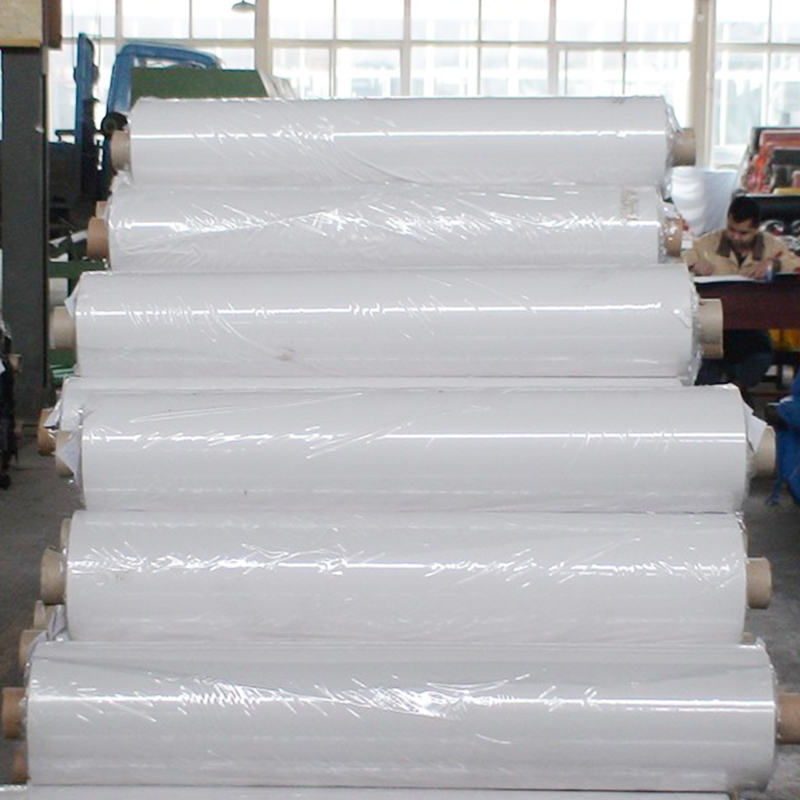
Why Insulation Needs Its Own Protection
The foam insulation around refrigerant pipes serves a critical purpose: keeping cold air cold on its journey between indoor and outdoor units. But foam alone cannot survive direct sunlight and weather exposure. Ultraviolet rays turn it brittle and crumbly within months. Moisture soaks in, destroying its insulating properties. PVC air conditioner wrap film provides the necessary shield, blocking UV radiation and repelling water while allowing the insulation underneath to perform its thermal job effectively for the life of the system.
The Science of Sticking Without Glue
One fascinating aspect of PVC air conditioner wrap film is how it stays in place without any adhesive. The material contains special plasticizers that create molecular attraction when stretched around a pipe. As the installer pulls the film tight during wrapping, the layers bond to themselves through this cling property. The result is a secure, waterproof seal that holds firmly yet removes cleanly if service requires access. No sticky residue, no chemical degradation of pipe surfaces, just pure physical adhesion that works reliably across temperature extremes.
Proper Wrapping Technique Matters
Experienced HVAC technicians develop specific skills for applying PVC air conditioner wrap film correctly. The process begins with clean pipe surfaces, free from dirt and oil that could interfere with the cling. Starting at the outdoor unit, the installer wraps toward the indoor connection with consistent tension. Each spiral overlaps the previous layer by about half the tape width, creating double coverage everywhere. The final end receives extra attention, tucked securely to prevent unwinding from vibration or wind during storms.
Thickness Options for Different Needs
Manufacturers produce PVC air conditioner wrap film in various thicknesses suited to different applications. Standard residential installations typically use film measuring around 0.15 millimeters thick, balancing flexibility with durability. Commercial projects with larger pipes or harsher exposure might specify heavier grades up to 0.20 millimeters. Width options range from 50 to 100 millimeters, with narrower sizes fitting tight spaces around condenser units and wider rolls speeding work on long pipe runs. Lengths per roll vary, allowing installers to match inventory to typical job requirements.
Appearance Matters for Professional Work
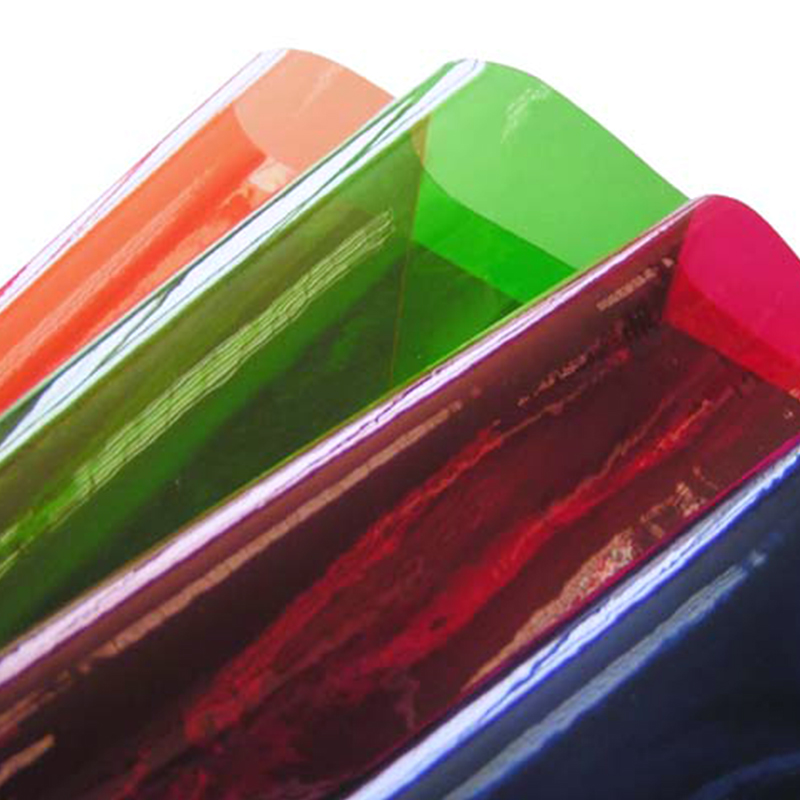
While white dominates the market for PVC air conditioner wrap film, manufacturers offer additional colors for specific aesthetic needs. Some building owners prefer gray or beige films that blend with exterior finishes. The uniform spiral wrapping creates a professional appearance distinguishing quality installations from amateur work with mismatched or missing protection. This attention to detail signals overall system quality to knowledgeable observers.
Temperature Tolerance Across Seasons
Quality PVC air conditioner wrap film maintains its protective properties through dramatic temperature swings. Summer sun can heat dark surfaces well above one hundred degrees Fahrenheit while winter nights drop below freezing. The film remains flexible across this entire range, expanding and contracting with the pipes without cracking or loosening. This thermal stability ensures continuous protection regardless of climate, from desert heat to northern winters where systems endure both extremes within a single year.
Common Failure Points to Avoid
Even good PVC air conditioner wrap film fails prematurely if installed incorrectly. Sharp bends in pipe routing can create stress points where the film stretches thin. Debris trapped underneath during wrapping creates paths for moisture entry. Ends left unsecured unravel in wind, exposing insulation to rapid degradation. Professional installers recognize these vulnerabilities and take extra care at transition points, fittings, and terminations where failures typically begin.



 English
 русский
 Español
 عربى
عربى

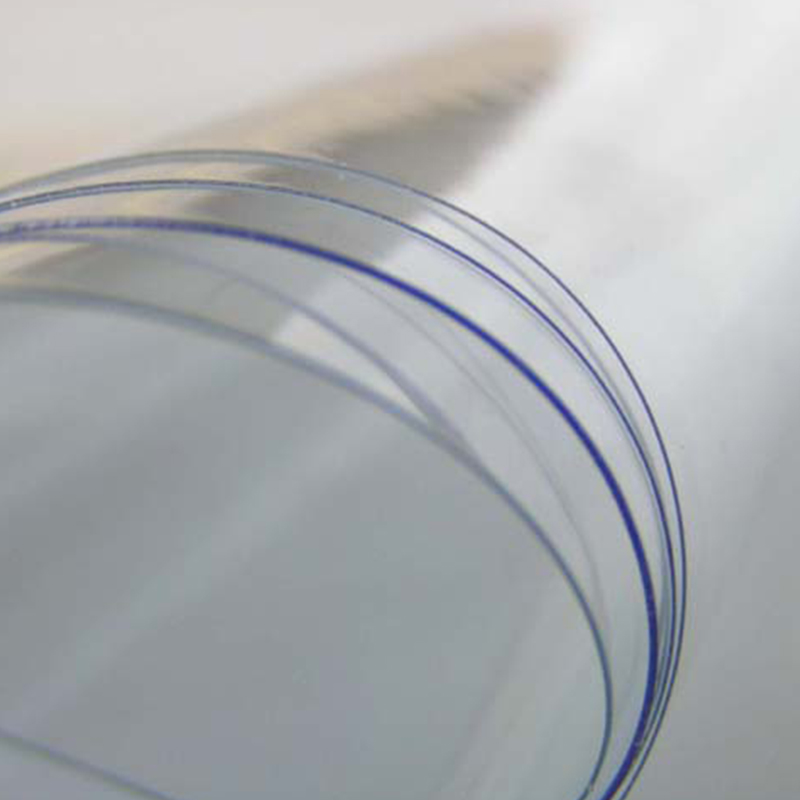 OverviewOur Super Clear PVC Film for tablecloths offers ultra-transparent protection while maintaining a sleek appe...
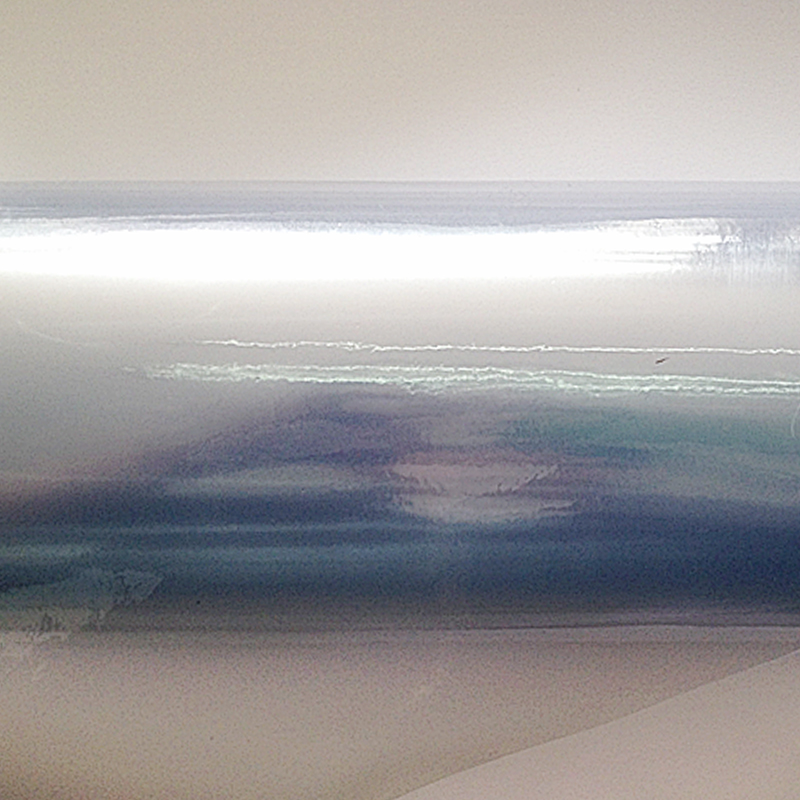 OverviewReliable clear PVC film featuring a powdered, non-sticky surface and slightly lower clarity. Normal Clear P...
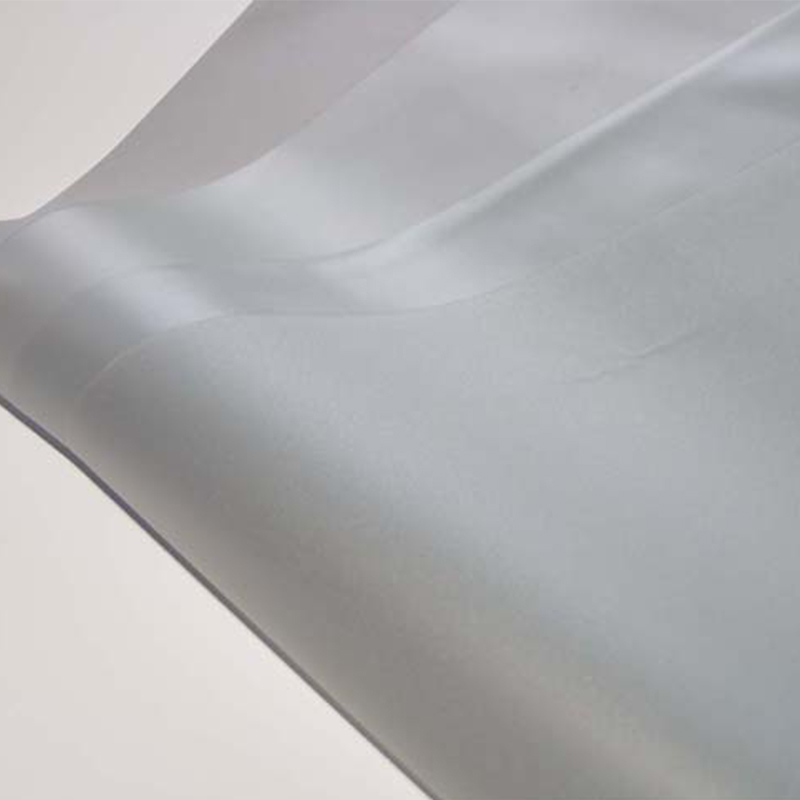 OverviewSemi-transparent PVC film with matte finish, delivering light diffusion and a refined tactile feel. Flexibl...
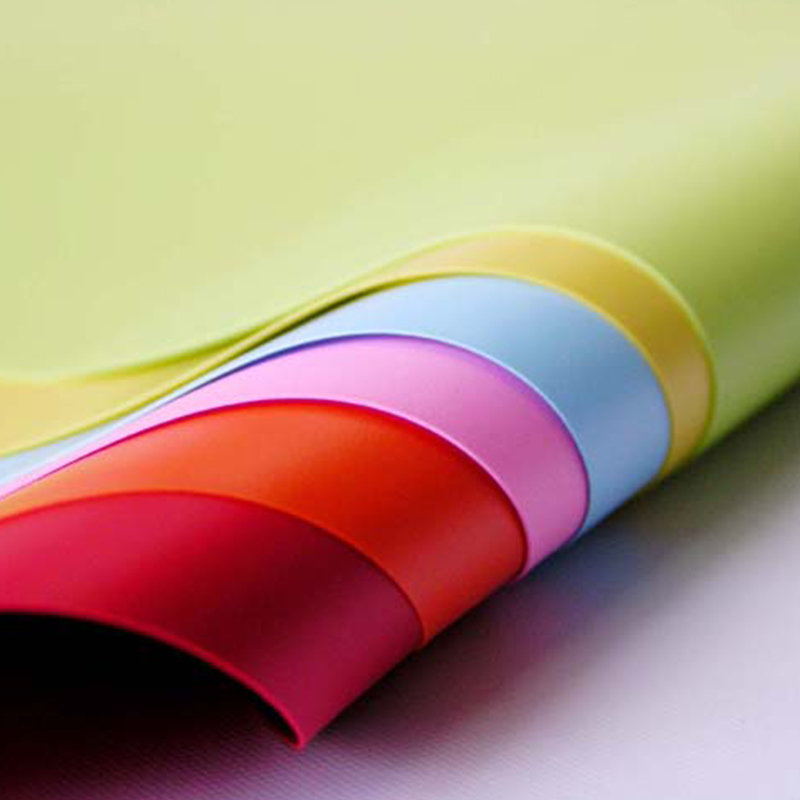 OverviewDecorative yet functional embossed PVC film combining color and surface texture for protective book covers....