Furniture surfaces are exposed to friction, spills, dust, food residue, and repeated contact during normal use. A cabinet door may be touched and cleaned many times, while a dining table can come into contact with liquids, utensils, and food. Office furniture faces a different type of wear, often caused by moving equipment or objects across the surface.
For furniture manufacturers and users, surface protection is therefore closely related to daily use rather than appearance alone. PVC Film For Furniture provides a thin covering layer between the furniture substrate and the surrounding environment. The film does not prevent every form of damage, but it can reduce direct contact between the substrate and common sources of surface wear.
The protection effect depends on the film itself, the furniture surface, the bonding condition, and the way the finished furniture is used. Understanding the relationship between these factors helps clarify why PVC film is used on different furniture surfaces.
How Does PVC Film For Furniture Form a Protective Surface
PVC film works by creating a continuous surface layer over the furniture substrate. Once properly applied, the film separates the underlying material from direct contact with objects, liquids, dust, and routine cleaning.
The underlying furniture material may have a decorative finish or a surface that is more sensitive to moisture and friction. Adding a film layer changes the immediate surface that comes into contact with the outside environment. Instead of an object rubbing directly against the substrate, the contact occurs with the film.
The flexibility of PVC also allows the material to follow relatively smooth furniture surfaces. This makes it suitable for panels, cabinet doors, tables, and other components where a continuous covering is needed.
Surface preparation has an important role in the process. Dust, grease, moisture, or uneven areas beneath the film can affect how the material sits on the substrate. A clean and reasonably smooth surface provides more consistent contact between the film and the furniture.
The film surface itself also affects the way daily contact appears. A smooth surface may be easier to wipe, while a textured surface can provide a different visual and tactile effect. The choice depends on the furniture design and the conditions expected during use.
Protection should therefore be viewed as a combination of material and application rather than as a property of the film alone.
How Does PVC Film For Furniture Reduce Surface Scratches
Scratches usually develop when a hard or rough object moves across a furniture surface. Keys, utensils, tools, containers, and other everyday objects can create friction during normal use. Repeated contact can gradually change the appearance of an exposed substrate.
PVC Film For Furniture places a separate material layer between the object and the furniture substrate. Minor contact marks may therefore occur on the film rather than directly on the underlying panel.
The effect depends on the nature of the contact. Light rubbing is different from a sharp object being pressed against the surface. A film can provide a degree of protection against routine surface contact, but it cannot eliminate damage caused by heavy impact, cutting, or deliberate scratching.
Surface design also influences how marks are perceived. Smooth, matte, and textured finishes respond differently to light and contact. A textured surface may make minor changes less noticeable, while a smooth surface can provide a cleaner appearance but may show certain marks more clearly.
For furniture used frequently, the surrounding environment also matters. A desk in a workspace may experience repeated movement of equipment, while a kitchen cabinet may receive contact around handles and edges. The type of daily interaction should therefore be considered when selecting a suitable furniture film.
The purpose of the film is not to make the furniture immune to physical damage. Instead, it provides an additional surface between everyday use and the underlying furniture material.
How Does PVC Film For Furniture Help With Stains and Spills
Stains create a different type of surface problem. Unlike scratches, they are usually related to liquids, oils, food residue, pigments, or substances that remain on the surface after contact.
When a liquid reaches an unprotected porous furniture material, part of the liquid may enter the surface. Cleaning can then become more difficult because the residue is no longer limited to the outer surface.
A PVC film can act as a barrier between the liquid and the underlying material. When the film surface is properly formed and maintained, spills remain on the outer layer for cleaning rather than immediately reaching the substrate.
This characteristic can be useful in furniture areas where contact with liquids is part of normal use. Kitchen cabinets, dining tables, bathroom storage, and some office surfaces may all face occasional spills or residue.
The type of substance still matters. Water and a greasy food residue do not behave in the same way, and prolonged contact can make cleaning more difficult. Prompt removal is therefore still appropriate even when a protective film is present.
Cleaning methods should also suit the surface. Excessive rubbing or unsuitable cleaning materials can gradually affect the appearance of the film. A soft cloth and a compatible cleaning method are generally more appropriate for routine surface care.
The main benefit comes from separation. The film reduces direct exposure of the furniture substrate while providing a surface that can be cleaned after ordinary contact.
What Furniture Surfaces Can Use PVC Film For Furniture
PVC film can be used on different furniture components, but the actual requirement varies according to how each surface is used.
| Furniture Surface |
Common Contact |
Main Surface Concern |
| Kitchen Cabinets |
Hands, food residue, cleaning |
Stains and repeated contact |
| Dining Tables |
Food, drinks, utensils |
Spills and surface friction |
| Wardrobe Doors |
Hands, clothing, household items |
Repeated contact and rubbing |
| Office Desks |
Equipment, stationery, hands |
Scratches and daily wear |
| Storage Cabinets |
Objects and frequent handling |
Friction and dirt |
| Furniture Panels |
General handling and installation |
Surface marks and contamination |
Kitchen cabinets may require attention to grease and food residue, while dining tables are more exposed to drinks and utensils. Office desks can receive repeated friction from equipment and stationery. Wardrobe doors may experience frequent hand contact around handles and edges.
For that reason, the same film specification does not necessarily suit every furniture component. Surface texture, flexibility, appearance, cleaning conditions, and the characteristics of the substrate all need to be considered together.
How Does Surface Preparation Affect PVC Film Protection
Before PVC film is applied, the furniture substrate needs to provide a suitable surface for contact. Preparation may seem like a simple production step, but it can influence how the film performs during later use.
Dust and grease can create small gaps between the film and substrate. Moisture can also interfere with proper attachment. If the underlying surface contains noticeable irregularities, the film may not follow the substrate evenly.
Edges and corners require particular care because they receive different types of mechanical stress from flat areas. Poorly handled edges can become vulnerable to lifting or separation during repeated use.
A suitable preparation process generally focuses on:
- Keeping the substrate clean
- Removing surface contamination
- Maintaining a reasonably even surface
- Ensuring suitable conditions during film application
- Paying attention to corners and edges
The purpose is not simply to make the furniture look clean before application. A properly prepared substrate gives the film a more consistent surface to cover and reduces problems caused by trapped contamination or uneven contact.
Once the film has been applied, the way the furniture is used becomes another factor. Appropriate surface care, timely cleaning, and reasonable handling can help maintain the condition of the film and the furniture beneath it.
How Is PVC Packaging Film Roll Used in Furniture Production
Furniture protection is not limited to the period after a product reaches its final place of use. During cutting, assembly, handling, storage, and transport, exposed surfaces can also come into contact with dust, tools, packaging materials, and other objects. A surface covering can therefore have a role at different stages of furniture production.
A PVC Packaging Film Roll is supplied in roll form, making it suitable for continuous cutting and processing. In furniture production, roll material can be prepared according to the size and shape of the components being handled. The material may be used around panels or finished surfaces where protection from handling marks and contamination is required.
The purpose of packaging film should be separated from that of a permanent decorative furniture film. Packaging material is generally associated with temporary protection during production, storage, and transportation, while furniture film may remain as part of the finished surface.
During production, several factors can affect the use of roll film:
- The dimensions of the furniture component
- The condition of the surface before covering
- The cutting method used during processing
- The way covered components are stacked or handled
Proper handling is important because a protective layer can only perform its intended role when it remains in contact with the surface. Folding, excessive tension, contamination, or damage during application can reduce its usefulness.
The use of roll material also needs to correspond with the production process. Furniture components may have different sizes and shapes, so cutting and application methods need to be adjusted accordingly. For manufacturers, the practical concern is not simply whether film can cover a surface, but whether the material can be integrated into the existing workflow without creating unnecessary handling problems.
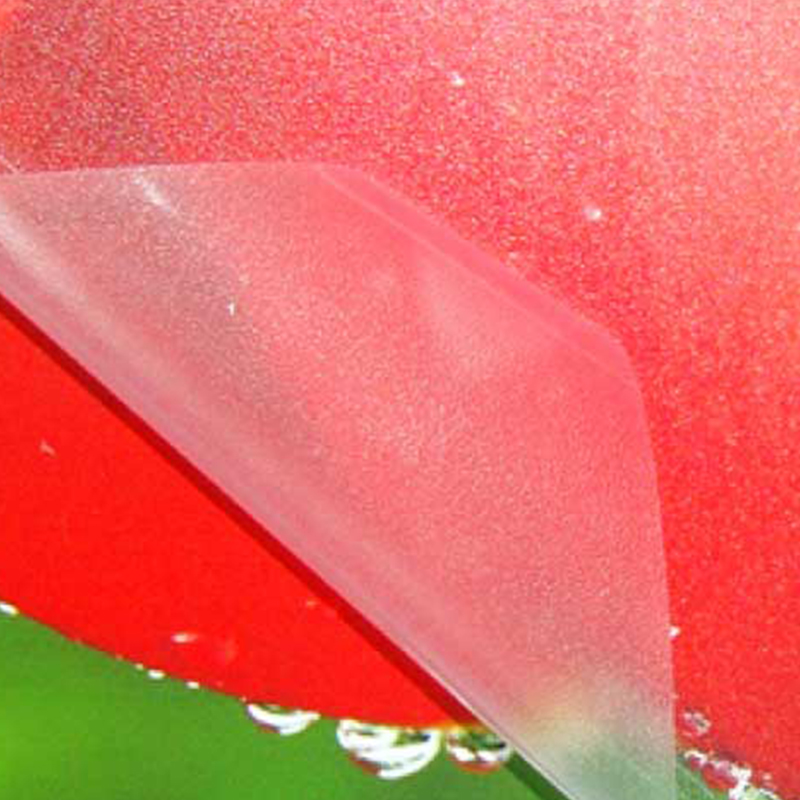
What Factors Affect PVC Film Protection on Furniture
The condition of a protected furniture surface depends on several factors working together. The film material is only one part of the process.
The surface of the film affects how objects, liquids, and cleaning tools interact with the furniture. A smooth finish and a textured finish can create different contact conditions and visual effects.
Flexibility is also relevant. Furniture panels may include edges, corners, or gently curved areas. A film needs to follow the intended surface without creating unnecessary folds or gaps.
The condition of the furniture substrate matters as well. Uneven areas, dust, grease, and moisture can affect contact between the film and the substrate. Even a suitable film can perform poorly when the underlying surface has not been properly prepared.
The surrounding environment should also be considered. A kitchen surface may encounter grease and moisture, while an office desk may experience repeated contact with equipment. Furniture used in a storage area can face dust and frequent handling instead.
Cleaning habits have a similar effect. Aggressive rubbing or unsuitable cleaning materials may gradually change the film surface. Routine cleaning should therefore take the material's surface condition into account.
These factors are closely connected. Film selection, substrate preparation, application, and daily use all contribute to how well a protected furniture surface remains in usable condition.
How Should PVC Film For Furniture Be Maintained
Regular maintenance mainly involves preventing unnecessary stress on the film and removing contamination before it remains on the surface for a long period.
For ordinary cleaning, a soft cloth is generally more appropriate than a rough material that can create additional friction. Spilled liquids and food residue should be removed without excessive rubbing, particularly around edges and joints.
Sharp objects also need to be handled carefully. A film can reduce the effect of routine contact, but direct cutting or strong impact can still damage the covering and the substrate beneath it.
Edges deserve occasional inspection because repeated contact can place greater stress on those areas. Lifting, bubbles, or local separation may indicate an issue with application or later handling.
Maintenance can therefore remain relatively simple when the furniture is used under normal conditions. The key is to avoid turning ordinary cleaning into another source of surface wear.
Why Does Proper Film Selection Matter for Furniture Protection
Furniture does not face one uniform type of wear. A kitchen cabinet, office desk, wardrobe door, and decorative panel may all require different surface characteristics because their daily environments are not the same.
A film intended for furniture should correspond with the substrate, application method, expected contact, and cleaning conditions. Surface appearance is also relevant, but it should be considered alongside practical requirements.
For example, a frequently touched cabinet door may require a surface that can tolerate repeated cleaning, while a decorative panel may place greater importance on texture and appearance. A work surface may experience more friction from objects, creating a different requirement from a rarely handled cabinet panel.
The selection process can therefore focus on several questions:
- What type of furniture surface will be covered?
- What kind of contact will occur during normal use?
- Will the surface regularly encounter water, oil, or food residue?
- How will the surface be cleaned?
- Does the film need to follow edges or shaped areas?
- Is the film intended as a permanent surface layer or temporary protection?
A clear answer to those questions helps narrow the material choice without relying on a single general specification.
How Does PVC Film For Furniture Support Everyday Surface Protection
Furniture surface protection is closely tied to ordinary use. Scratches can come from repeated friction, while stains often result from liquids and residue remaining on the surface. PVC film provides an additional layer between those sources of wear and the underlying furniture material.
Its role is not limited to preventing one particular type of damage. The film can also make the surface easier to manage during routine cleaning and handling, while roll‑form materials can provide temporary protection during furniture production and transportation.
The actual result depends on the interaction between the film, substrate, application process, and working environment. Proper surface preparation helps maintain contact, suitable film characteristics support the intended application, and reasonable cleaning practices reduce unnecessary wear.
For furniture manufacturers, the distinction between a permanent furniture covering and a temporary PVC Packaging Film Roll is also important. One becomes part of the surface treatment, while the other can protect finished components during handling and movement.
A practical approach to furniture surface protection therefore starts with the conditions surrounding the furniture. Material selection becomes more meaningful when daily contact, surface condition, cleaning methods, and production requirements are considered together.



 English
 русский
 Español
 عربى
عربى

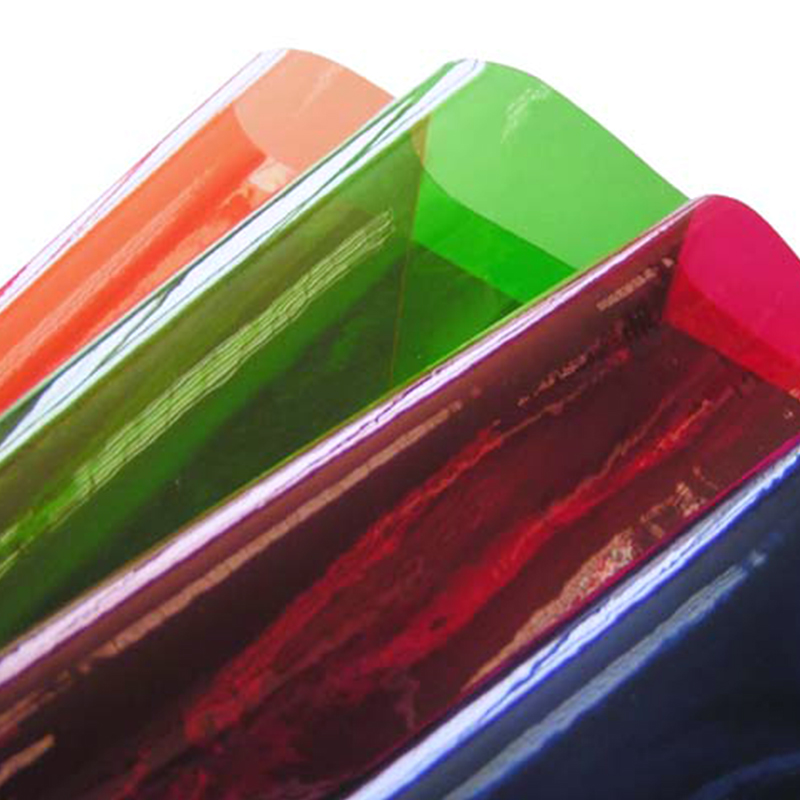
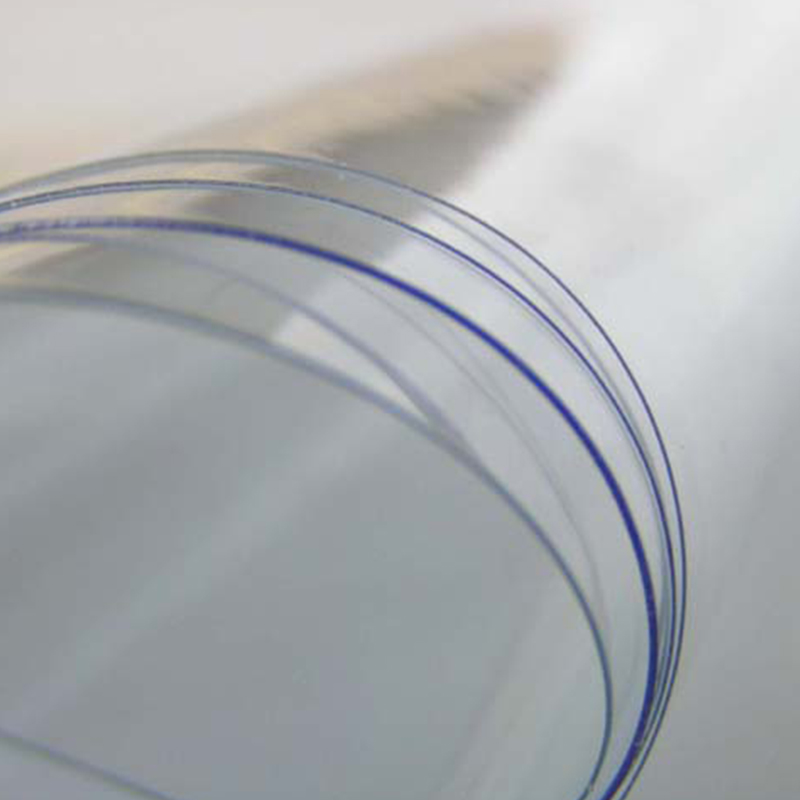 OverviewOur Super Clear PVC Film for tablecloths offers ultra-transparent protection while maintaining a sleek appe...
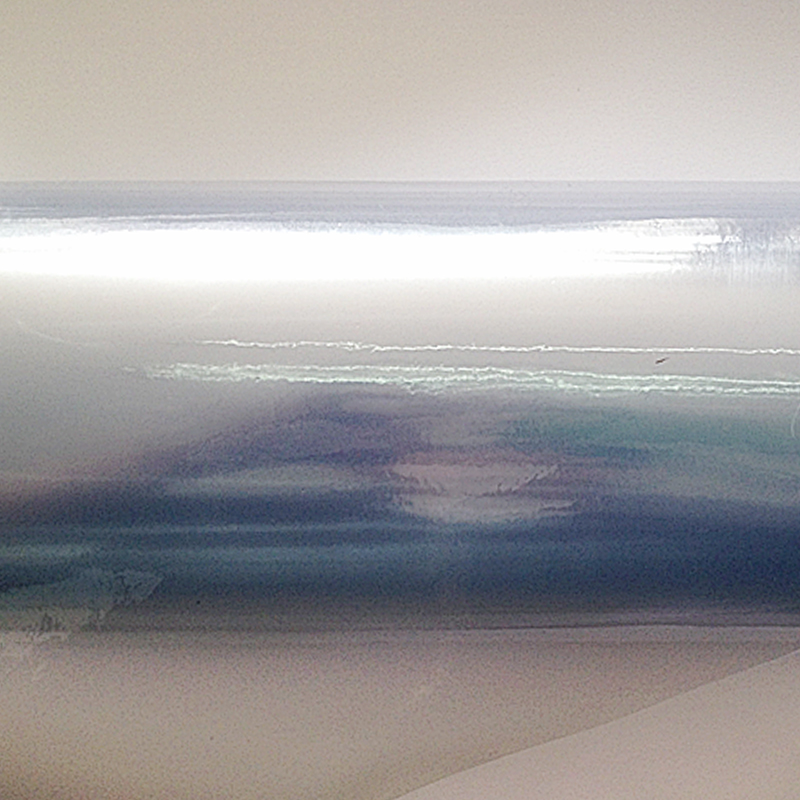 OverviewReliable clear PVC film featuring a powdered, non-sticky surface and slightly lower clarity. Normal Clear P...
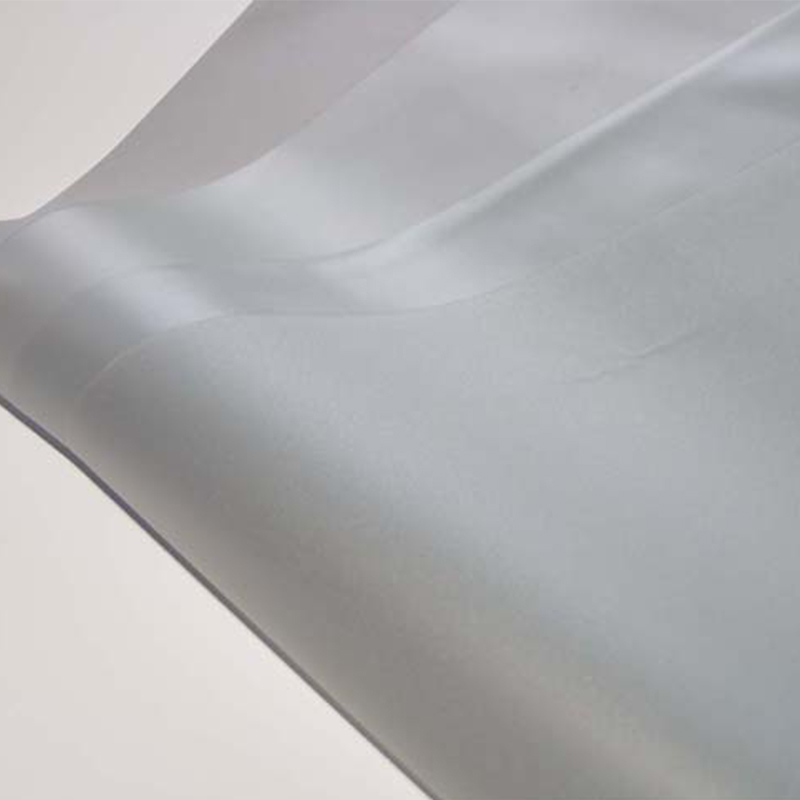 OverviewSemi-transparent PVC film with matte finish, delivering light diffusion and a refined tactile feel. Flexibl...
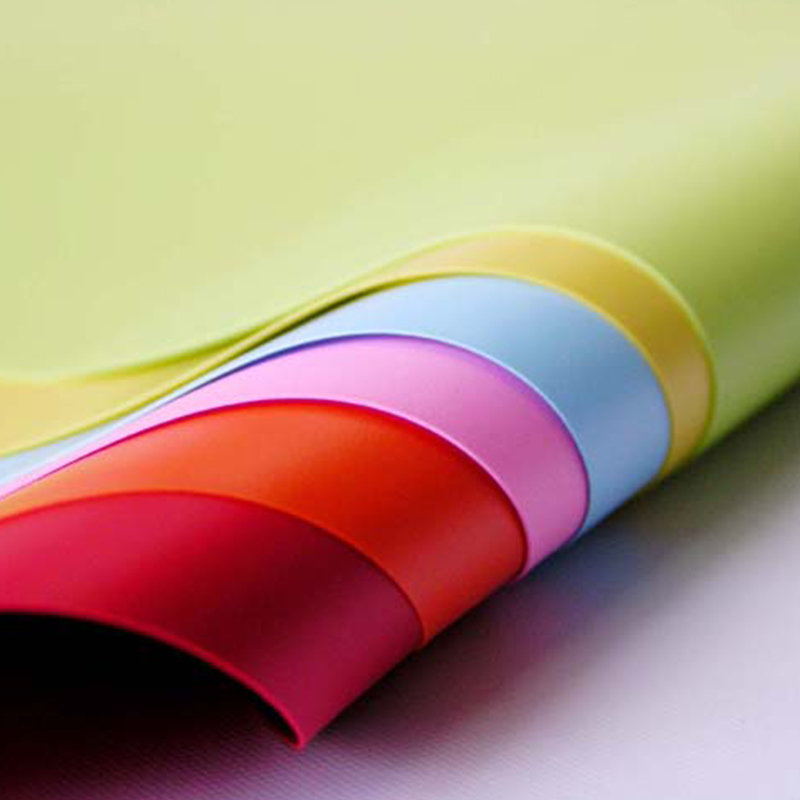 OverviewDecorative yet functional embossed PVC film combining color and surface texture for protective book covers....