An ID card may contain clear photographs, small text, numbers, symbols, and background graphics, yet visual clarity does not depend on printing alone. A transparent covering layer placed above printed content can change how light reaches and leaves the card surface, which means surface finish becomes part of the viewing experience.
A smooth covering layer tends to reflect surrounding light in a more noticeable way. Under a ceiling lamp, for example, a bright reflection may appear across part of a photograph or over several lines of printed information. Moving the card slightly can make the reflection shift, while the printed content underneath remains unchanged.
Such behavior is easy to overlook during production because a card may look clear under one lighting condition. A sample viewed near a window, beneath indoor lighting, or from a different angle can present a different visual result.
For PVC Film For Id Card, surface selection therefore needs to consider more than appearance. Several factors work together:
- Surface texture
- Reflection from surrounding light
- Position of printed information
- Photograph placement
- Color and contrast
- Relationship between printed and covering layers
A card with dark text on a light background may remain relatively easy to read under soft lighting, while a photograph containing bright areas can show distracting reflections more easily. Small text may also become harder to distinguish when glare crosses the viewing area.
Surface finish does not change the information printed on a card. It changes how that information is visually presented.
How Does Surface Reflection Affect Photos and Text
Light striking a card surface can travel in different directions depending on surface smoothness. A smooth surface tends to produce a more defined reflection, while a textured surface spreads reflected light across a wider area.
For photographs, reflected light can cover facial details, background features, or areas with similar tones. A viewer may still recognize the image, although some visual details can become less comfortable to inspect.
Text creates another situation. Small characters rely on visible contrast between printed marks and the surrounding background. A strong reflection crossing part of a line can reduce that contrast from a particular viewing angle.
Viewing position also matters. Reflection may appear directly in front of a viewer under one angle, then move away after the card is tilted slightly. Such changes explain why a card can appear readable in one position and less clear in another.
Lighting around the card has a similar effect. Common sources include:
- Ceiling lamps
- Desk lighting
- Window light
- Strong indoor fixtures
- Reflections from nearby surfaces
A production check carried out under only one light source may therefore miss some visual issues.
Photographs and text should also be considered separately during inspection. A finish that gives printed text a clean appearance may interact differently with a photograph containing large areas of light and dark tones. Looking at both types of information helps provide a more balanced assessment.
What Happens When Matte Surface Is Used
A matte surface changes the way reflected light is distributed. Instead of producing a sharp reflection from a smooth area, surface texture can scatter incoming light in different directions.
Such behavior can make printed information easier to view under certain lighting conditions because a bright reflection is less likely to appear as one concentrated patch. Photographs may also become easier to inspect when glare is reduced across important facial or background details.
Matte finishes have their own visual character. Printed colors may appear softer compared with a highly smooth surface, while fine details can have a different appearance depending on the texture of the covering layer.
For card production, several points are worth checking:
- Text visibility Small characters should remain distinct from their background under ordinary viewing conditions.
- Photograph appearance Facial details and color transitions should remain visually recognizable after the covering layer is applied.
- Surface uniformity Uneven texture can create differences in appearance across the same card.
- Light response Inspection under different light directions can reveal changes that are not visible under soft, even lighting.
Matte does not automatically mean that every printed element will appear clearer. A surface finish still needs to match the design underneath it. Fine graphics, photographs, and small text can respond differently to changes in surface texture.
How Does a Glossy Surface Change Visual Appearance
Glossy surfaces are generally smooth, allowing light to reflect in a more defined direction. Under suitable lighting, such a surface can make printed colors appear visually strong and give photographs a clean, smooth appearance.
A problem can occur when surrounding light falls directly onto the card. A lamp or bright window may create a visible reflection that covers part of the printed area. Changing the viewing angle can move the reflection, although frequent movement is not always practical when a card needs to be checked quickly.
Glossy finishes therefore require attention to the environment in which a card will normally be viewed.
For example, an identification card used in an office may often be checked under fixed indoor lighting. A card carried outdoors may encounter sunlight from different directions. Reception counters, security desks, and inspection points can also contain bright surfaces that reflect light back toward the card.
| Surface Finish |
Light Response |
Possible Viewing Effect |
| Matte |
Light Is Scattered Across the Surface |
Less Concentrated Reflection |
| Glossy |
Light Is Reflected More Directly |
Stronger Visible Glare at Certain Angles |
| Semi Matte |
Moderate Surface Texture |
Balance Between Smoothness and Reflection |
Actual appearance still depends on the printed design and surrounding conditions. A dark photograph, light photograph, dense text area, and colorful background may each react differently to the same covering surface.
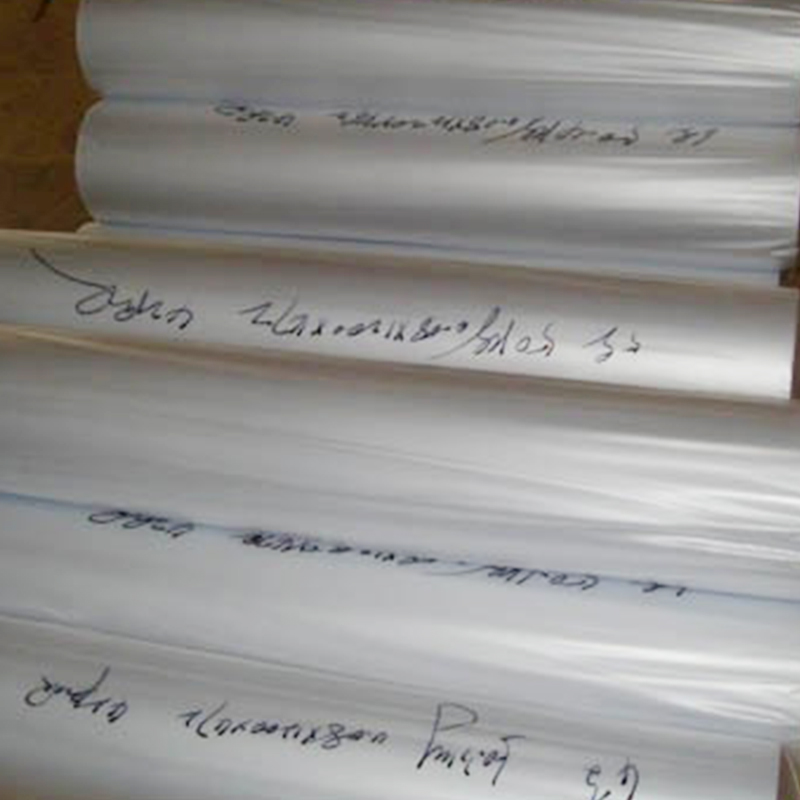
How Does Surface Finish Interact With Printed Information
Printed content sits below the covering layer, so visual perception comes from more than one surface. Light reaches the outer film, interacts with its texture, and then affects how the underlying photograph, text, and graphics are seen.
Such layering becomes especially noticeable when a card contains several visual elements close together. A photograph may occupy one area while small text sits beside it, with a background pattern extending underneath both sections.
A smooth surface can give the complete card a consistent visual appearance, although reflections may become more noticeable across both photograph and text. A matte surface can reduce concentrated glare, while its texture may slightly change how fine printed details appear.
Film clarity also matters. A covering layer needs to allow underlying information to remain visible rather than introducing unnecessary visual disturbance. Surface treatment and transparency therefore need to be considered together.
During production inspection, viewing the card from several angles can reveal differences between the printed layer and the finished surface. Checking under more than one lighting condition is also useful because surface reflection can change substantially when the direction of incoming light changes.
For PVC Film For Id Card, choosing a surface finish is consequently connected with the complete visual structure of the card rather than the outer appearance alone. Photograph clarity, text contrast, background graphics, and reflected light all contribute to how easily information can be viewed.
How Do Lighting Conditions Change Readability
A card can look different under daylight, office lighting, or a strong lamp placed nearby. Light direction changes the amount of reflection reaching the viewer, so surface finish needs to be considered alongside the environment where a card will normally be handled.
Direct light can create a bright patch across a smooth surface. A small movement may shift the patch away from a photograph or line of text, although another angle can bring it back. Side lighting creates a different visual effect, with reflections appearing closer to an edge or along part of the card.
Matte surfaces scatter incoming light, which can reduce a concentrated glare in many situations. Glossy surfaces tend to preserve a smoother visual appearance, while reflections can become more noticeable under direct lighting.
Natural daylight can also change during the day. A card viewed near a window may look different as the direction of sunlight changes. Indoor lighting tends to be more stable, although the position and type of lamps still affect reflection.
Practical inspection can include several simple viewing conditions:
- Hold the card under ordinary indoor light.
- View it near a window or another natural light source.
- Change the viewing angle gradually.
- Check small printed characters.
- Look closely at facial details in photographs.
- Watch for bright reflections crossing important information.
Testing under varied lighting gives a clearer picture of how a finished card may appear during normal handling.
What Is the Visual Relationship Between Print and Cover Layers
A printed image does not sit directly at the outer surface of a finished card. A covering layer sits above it, creating a visual relationship between the printed content and the surface that surrounds it.
Film clarity allows light to pass toward the printed layer, while surface texture influences how light returns toward the viewer. As a result, two cards with similar printing can appear somewhat different when different covering finishes are used.
Photographs are particularly sensitive to such changes because facial details depend on subtle differences in light and shade. Small text depends more heavily on contrast and edge definition. Background graphics can influence both areas by creating additional visual patterns.
Layer contact also matters during production. Uneven bonding, trapped particles, surface marks, or small imperfections can become visible after lamination. A problem that was difficult to notice on the printed sheet may become easier to see once a covering layer has been added.
A useful inspection approach is to compare three stages:
- Printed material before covering
- Covered card under normal light
- Finished card viewed from different angles
Comparing stages helps separate printing problems from changes caused by the outer film. Such a method can be useful when a photograph appears less clear or when text seems different after finishing.
For PVC Film For Id Card, visual quality therefore comes from the interaction of several layers rather than from the film surface alone.
How Should Film Finish Be Considered During ID Card Production
Surface selection works better when connected with the card design and intended viewing environment. A card that contains a large photograph may need different visual consideration from one dominated by small text and simple graphics.
Matte and glossy finishes each produce different interactions with light. Semi‑transparent effects add another factor because background colors, printed graphics, and light passing through or interacting with the film can influence the final appearance.
Before production decisions are fixed, several practical checks can help:
- Review photographs and small text separately.
- Check printed colors beneath the selected film.
- Compare surface appearance under indoor and natural light.
- Look for reflections across important information.
- Inspect cards from different viewing angles.
- Check for surface marks after lamination.
- Compare covered samples with the original printed layer.
Material consistency also matters during repeated production. A change in surface texture can create a visible difference even when printing remains unchanged. For PVC Film Suppliers, maintaining consistent surface condition is therefore relevant to the appearance of finished cards.
A suitable finish should also fit the handling environment. Cards regularly inspected under bright lighting may benefit from a different surface approach than cards normally viewed under softer light. Design, printing, covering, and lighting need to be considered together rather than treated as separate stages.
Readability comes from the relationship between information and the way light reaches that information. Surface reflection, texture, film clarity, printed contrast, and viewing angle can all influence what the eye sees. Careful material selection and practical visual checks can help production teams identify unwanted changes before finished cards enter regular use.



 English
 русский
 Español
 عربى
عربى

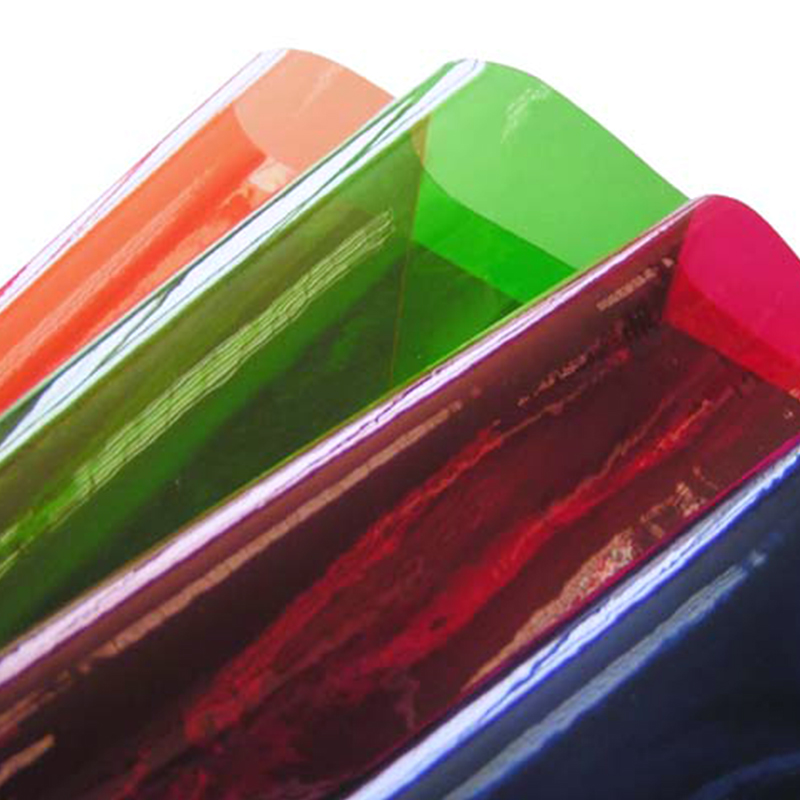
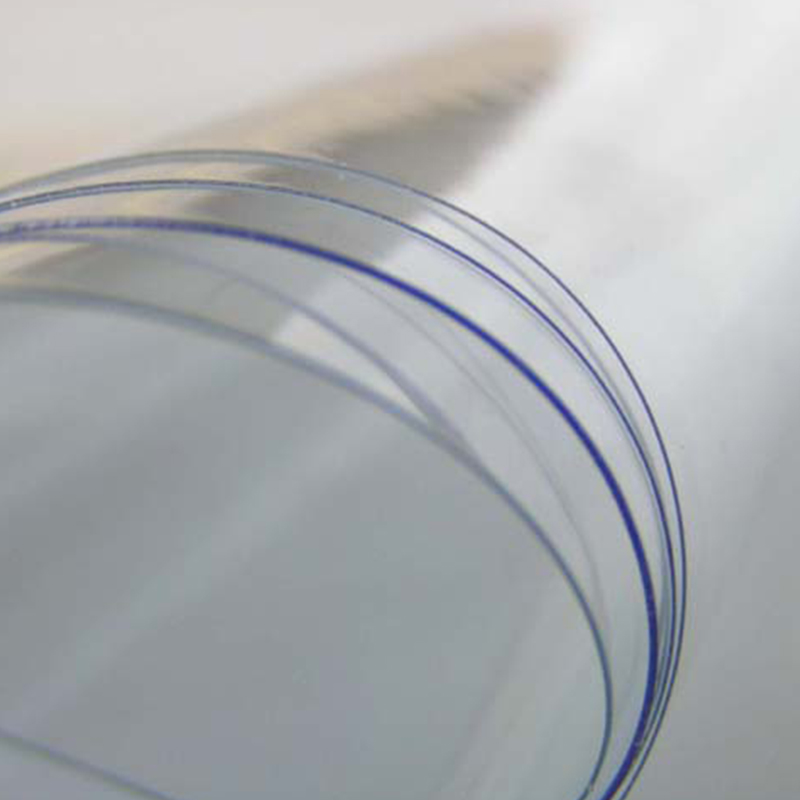 OverviewOur Super Clear PVC Film for tablecloths offers ultra-transparent protection while maintaining a sleek appe...
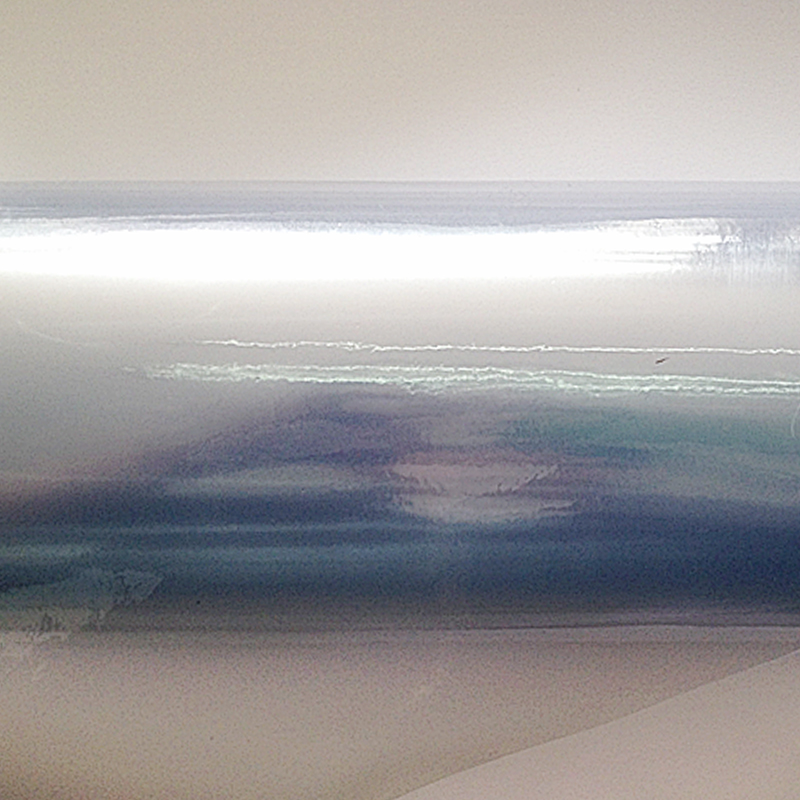 OverviewReliable clear PVC film featuring a powdered, non-sticky surface and slightly lower clarity. Normal Clear P...
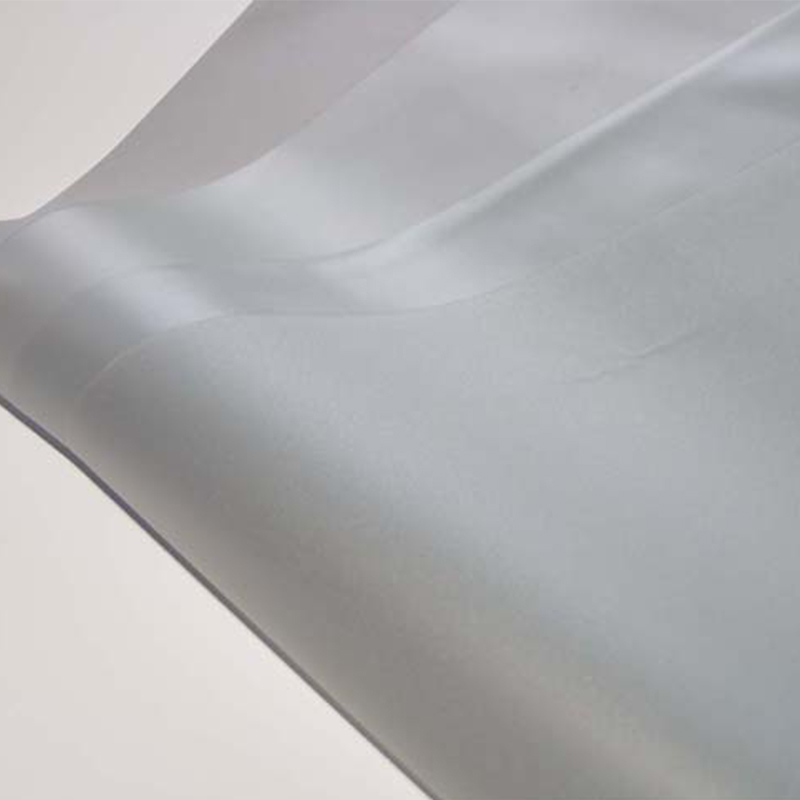 OverviewSemi-transparent PVC film with matte finish, delivering light diffusion and a refined tactile feel. Flexibl...
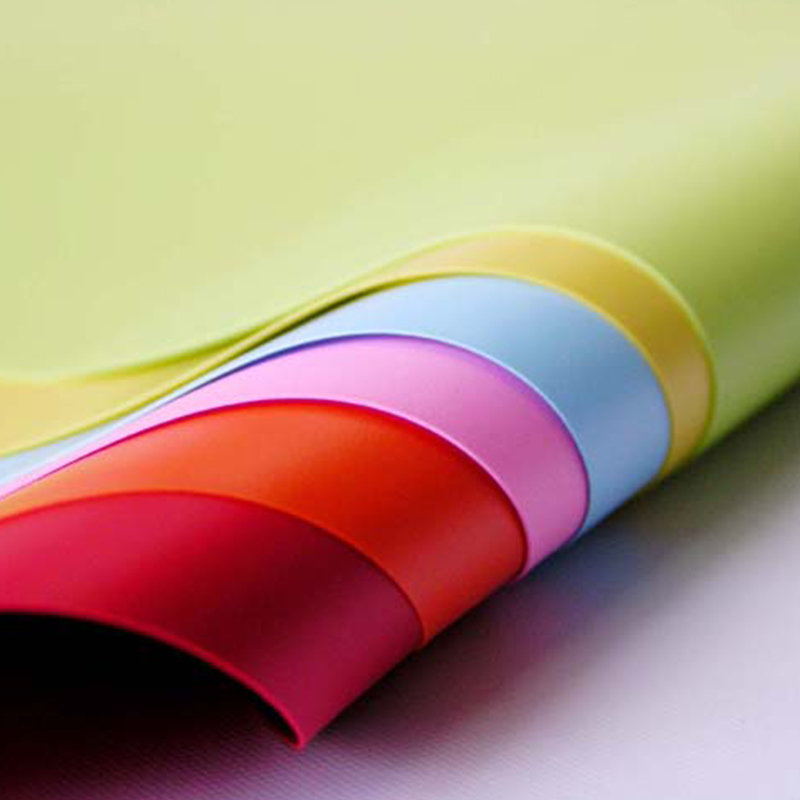 OverviewDecorative yet functional embossed PVC film combining color and surface texture for protective book covers....