Packaging materials pass through several stages before they ever reach production, and storage tends to eat up a considerable chunk of that timeline. During that stretch, whatever's happening in the surrounding environment keeps quietly working on the material — appearance, ease of handling, readiness for whatever comes next. It's really no surprise that stable storage practices keep getting more attention across manufacturing environments generally.
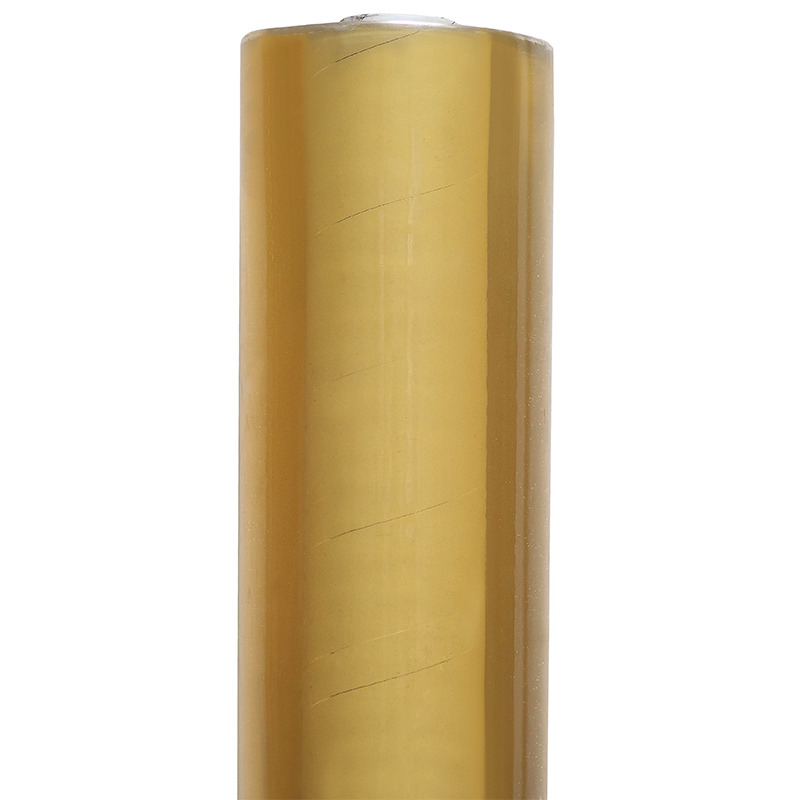
A PVC Packaging Film Roll typically sits in storage before it ever gets cut, laminated, wrapped, or surface‑finished. What condition it's in during that wait can genuinely shape how later operations go, which is exactly why warehouse management ends up factoring into daily production planning rather than sitting off to the side as an afterthought.
Environmental conditions work on film rolls in a few distinct ways. Temperature swings can shift material flexibility. Humidity changes can affect packaging condition over time. Dust tends to settle in wherever storage protection isn't quite complete, and once it's there, surface cleanliness suffers.
Air circulation deserves real attention too. Good airflow keeps the storage environment cleaner overall and cuts down on moisture or airborne particles building up around materials that are just sitting there waiting.
A handful of environmental factors tend to get monitored closely during storage:
- Stable surrounding temperature
- Controlled humidity conditions
- Clean storage space
- Proper ventilation
- Limited direct exposure to environmental changes
Organized storage layouts make routine inspection genuinely easier, and keeping incoming materials clearly separated from stock ready for production cuts down on handling that doesn't need to happen. Warehouse arrangement itself plays into material condition too — rolls stored in sensible spots stay easier to identify, inspect, and move without getting repositioned over and over.
Material protection really starts well before production ever kicks off. Thoughtful storage planning cuts unnecessary handling and helps keep roll condition steady right up until processing actually begins.
How Roll Structure and Winding Quality Influence Storage Performance
Roll construction really matters for physical stability throughout storage. How the material gets wound shapes how evenly pressure spreads across the roll, and structural balance carries a lot of weight for long‑term shape retention.
Uniform winding makes for smoother storage, since pressure stays fairly consistent all the way through the roll. Uneven winding, on the other hand, tends to raise the odds of edge movement or local deformation showing up after longer periods sitting in storage.
A few structural traits really shape storage performance:
- Winding consistency
- Core support strength
- Edge alignment
- Roll diameter balance
- Overall shape stability
Core support gives the roll structural stability right from its center outward — a solid core cuts down on unnecessary movement whether the roll is being handled or stacked. Edge alignment matters for later processing too, since straight, consistent edges make inspection easier and set up smoother preparation before production even starts.
Roll diameter feeds into storage arrangement as well. Similar dimensions let warehouse staff organize inventory more efficiently while keeping stacking stable rather than precarious. Balanced construction pays off during transportation too — rolls that hold their shape while moving generally need fewer adjustments once they actually reach production.
Careful manufacturing and careful storage really work together here, not separately. Neither one alone decides final material condition; both stages contribute to keeping handling characteristics workable throughout warehouse management.
Which Handling Practices Help Maintain Film Roll Condition?
Handling kicks in the moment materials leave production and doesn't really stop until processing starts. Every single movement opens the door to small physical changes, which is really why proper handling procedure matters as much as it does.
How a roll gets lifted shapes pressure distribution across it. Smooth, careful handling cuts down on unnecessary stress hitting the edges and outer layers. Storage orientation matters too — keeping rolls positioned sensibly according to warehouse planning supports stable storage and makes inventory organization noticeably easier.
A few handling practices tend to get consistent attention:
- Gentle lifting during transportation
- Stable support while moving
- Organized stacking arrangements
- Protection against accidental impact
- Clear identification during storage
Repeated movement without any real plan behind it tends to increase unwanted contact between stored materials. Organized warehouse routes cut down on that repeated handling and support smoother inventory control overall.
Protective packaging stays useful the whole way through storage, too — outer protection cuts down direct exposure to dust and surface contamination during everyday warehouse activity. Whatever equipment moves the rolls — forklifts, manual carts, whatever else — really needs to match roll size and weight distribution, since the right equipment makes for smoother transport and helps the roll hold its shape. Warehouse planning should also leave adequate space between storage areas, since enough working room cuts down on accidental contact during loading and unloading.
How Does Storage Time Influence Material Performance?
Storage duration is naturally just part of inventory management. Materials sitting around waiting for processing keep interacting with whatever's around them, which is exactly why regular observation belongs in standard warehouse practice.
Longer storage periods don't automatically spell trouble, though. Material condition really comes down to consistent storage management more than to time passing on its own.
| Storage Factor |
Possible Influence |
Management Focus |
| Surface Cleanliness |
Dust accumulation |
Regular inspection |
| Roll Pressure |
Shape consistency |
Suitable stacking |
| Storage Environment |
Material condition |
Stable surroundings |
| Protective Packaging |
Surface protection |
Packaging integrity |
Surface cleanliness stays important because contamination can mean extra prep work before processing even starts. Roll pressure shifts gradually depending on how rolls get stacked — balanced support helps hold shape and keeps unnecessary deformation from creeping in. Protective wrapping needs to stay intact the whole time in storage, since damaged outer packaging opens the door for dust or moisture to reach the material surface a lot more easily than it should.
Routine inspection really helps warehouse staff catch small changes early, well before production schedules start bearing down.
What Role Does Material Compatibility Play in Different Applications?
Storage planning works a lot better when future processing needs get factored in before materials even land in the warehouse. Film rolls headed for different manufacturing tasks often need different handling methods, storage arrangements, and inspection routines to match.
A PVC Film For Furniture typically moves into decorative or surface finishing work once storage wraps up. How the material's holding up going into that stage can genuinely shape how smoothly later production runs. Flat surfaces, a consistent roll shape, clean outer layers — all of that supports easier prep down the line.
Compatibility really goes beyond just material composition, though. Storage methods themselves need to line up with whatever manufacturing operation comes next.
A few practical considerations tend to matter:
- Surface condition before processing
- Roll edge consistency
- Material flexibility after storage
- Packaging protection during transportation
- Storage sequence within inventory
Production planning gets a lot simpler when warehouse management actually follows processing requirements rather than working against them. Materials scheduled for earlier use can sit in accessible spots, which cuts down on repeated movement inside the storage area.
Different applications bring their own expectations around appearance and handling too. Decorative products generally need real attention paid to surface cleanliness, while other applications lean more toward efficient material movement instead. Material compatibility really runs through the whole production chain — storage, transportation, inspection, processing — rather than staying boxed into manufacturing alone.
Which Factors Should Manufacturers Consider During Storage Planning?
Storage management has genuinely become a core part of how production gets organized. Manufacturers tend to review warehouse layout alongside inventory flow together, aiming to cut unnecessary handling and keep materials better organized overall.
| Storage Factor |
Purpose |
Influence on Material Condition |
| Environmental Control |
Maintains consistent surroundings |
Supports stable roll condition |
| Stacking Method |
Protects roll structure |
Helps maintain edge alignment |
| Rotation Planning |
Organizes inventory movement |
Supports orderly material use |
| Protective Packaging |
Reduces outside influence |
Helps maintain surface quality |
Environmental control keeps storage conditions stable across different warehouse areas, and even, consistent practices tend to make inspection work easier while cutting down on surprise material changes. Stacking method shapes how pressure distributes between stored rolls — get the arrangement right, and roll geometry holds up while storage stays safer overall.
Rotation planning keeps inventory movement organized. Materials that arrive earlier can get slotted for earlier production runs based on schedule, which really cuts down on repeated relocation and simplifies day‑to‑day warehouse operations. Protective packaging keeps doing its job well after production too, reducing contact with dust and accidental surface damage as materials move around inside the warehouse.
Good storage planning also smooths out communication between warehouse staff and production teams. Clear inventory records make material prep before processing a lot less of a scramble.
Why Is Regular Storage Inspection Important?
Routine inspection catches small changes before they turn into bigger problems down the line. Regular observation really doesn't need anything elaborate — just simple, consistent procedures — which is exactly why it fits so naturally into warehouse management.
A few inspection items tend to come up regularly:
- Surface appearance
- Roll edge condition
- Packaging integrity
- Storage location cleanliness
- General warehouse environment
Surface observation helps catch contamination or accidental contact that might need attention before production starts. Edge inspection lets warehouse staff check whether roll alignment has held up through storage and transportation. Packaging review confirms whether protective materials are still doing their job throughout the storage period.
Warehouse cleanliness feeds into inspection quality too — organized storage areas make it a lot easier to spot changes while keeping unnecessary contamination out of the picture. Inspection records end up supporting inventory management by giving production planning something solid to reference, and consistent documentation keeps warehouse procedures organized without piling on unnecessary complexity.
How Are Storage Requirements Influencing Packaging Film Development?
Storage requirements keep shaping product development across the packaging material industry. Manufacturers are looking well beyond production performance now, weighing transportation, warehouse handling, and inventory management right alongside it.
A few development directions are picking up real momentum:
- Material stability during storage
- Packaging structures supporting transportation
- Better compatibility with warehouse handling
- Practical inventory organization
Material stability ties in tightly with handling convenience — rolls that hold their structure through storage generally move into production prep a lot more smoothly. Packaging methods keep evolving alongside logistics needs too, with protective materials, labeling, and storage identification all pulling together toward more organized warehouse operations.
Transportation compatibility has turned into another practical concern, since materials often pass through several handling stages before ever reaching production — structural stability really pays off across that whole supply chain. Warehouse efficiency shapes development priorities as well; products that slot neatly into organized storage systems support smoother inventory management while cutting unnecessary handling out of the equation. As manufacturing planning gets more organized overall, warehouse management and product design are increasingly working together rather than sitting in separate lanes.
How Can Organized Storage Support Material Management?
Material management really comes down to coordination — storage conditions, handling methods, inspection routines, and production planning all need to work together. Each stage plays its part in keeping material condition solid before processing ever begins.
A few practical approaches support that kind of organized storage:
- Maintain clean warehouse surroundings
- Reduce unnecessary material movement
- Review packaging condition regularly
- Arrange inventory according to production schedules
- Inspect stored materials before processing
A PVC Packaging Film Roll is really just one link in a longer production chain, not some isolated item sitting in a warehouse. Careful storage keeps roll condition steady and sets up smoother prep for whatever manufacturing step comes next.
Organized management also cuts down on repeated handling, letting materials sit stable in storage until production actually calls for them. Industry attention on storage keeps growing simply because warehouse practices ripple through operational efficiency across the whole manufacturing process. Material design, protective packaging, warehouse organization, and handling methods are increasingly pulling together to support practical production management, without needing complicated procedures to get there.



 English
 русский
 Español
 عربى
عربى

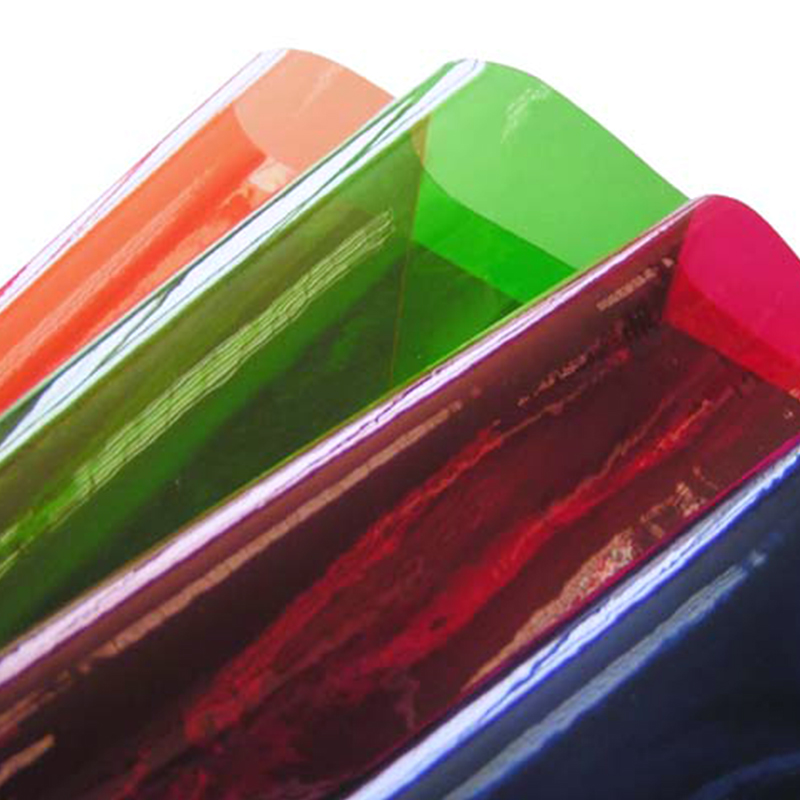
 OverviewOur Super Clear PVC Film for tablecloths offers ultra-transparent protection while maintaining a sleek appe...
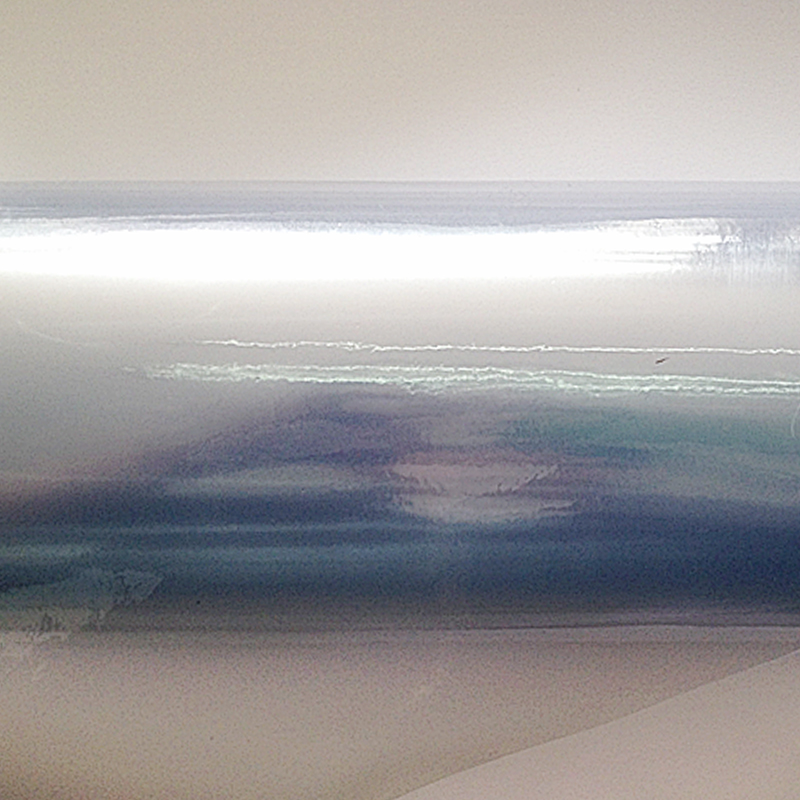 OverviewReliable clear PVC film featuring a powdered, non-sticky surface and slightly lower clarity. Normal Clear P...
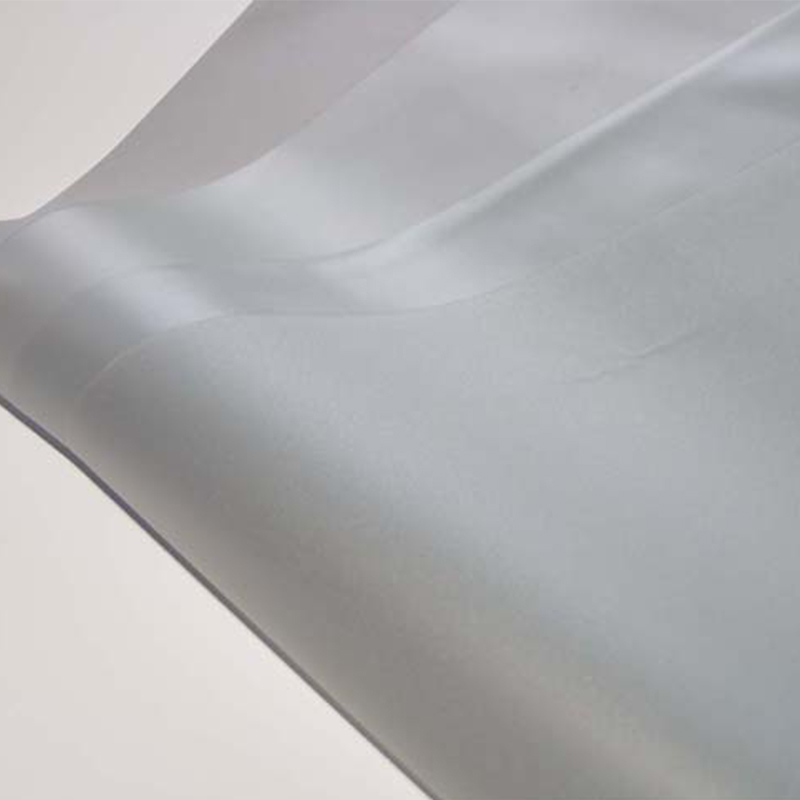 OverviewSemi-transparent PVC film with matte finish, delivering light diffusion and a refined tactile feel. Flexibl...
 OverviewDecorative yet functional embossed PVC film combining color and surface texture for protective book covers....