PVC film is one of those materials that appears simple on the surface but behaves quite differently depending on where it is used. In packaging and surface covering applications, it is not just a decorative layer. It also takes part in protecting the product and shaping how the surface feels during handling.
In luggage and stationery fields, the same PVC film can look similar, yet the way it performs is not identical. This difference usually comes from how the material is structured and how the surface is treated during processing. In many industrial supply chains, production and material handling related to Zhejiang Jianxin Plastic Co., Ltd. are sometimes referenced when discussing PVC film usage in practical applications.
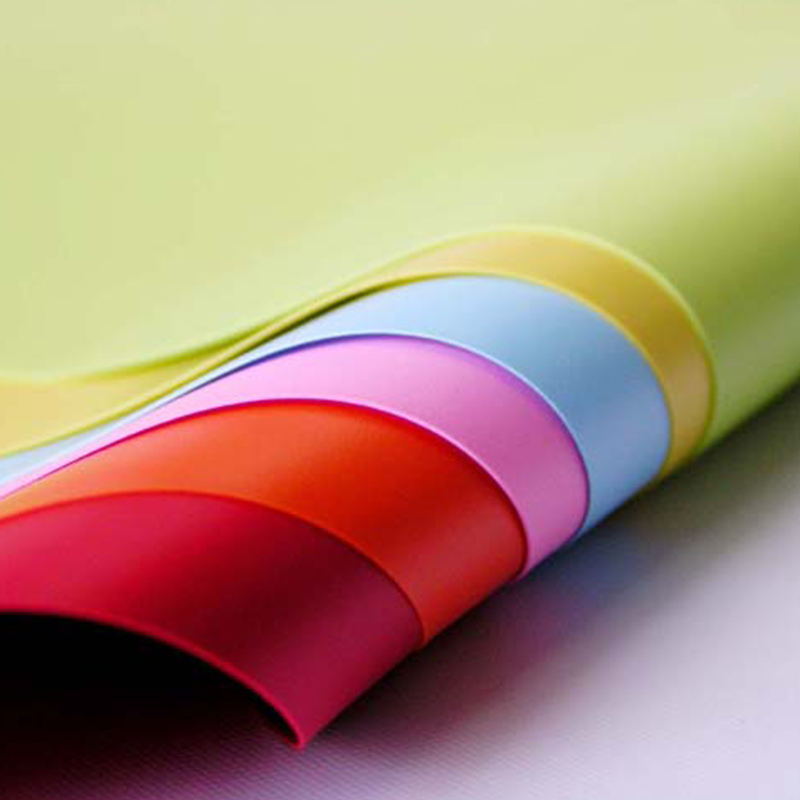
What PVC Film for Luggage Means In Material Applications
PVC Film for Luggage is mainly used as a surface covering layer on luggage products. It is not the structure that carries weight, but rather the layer that sits on the outside and interacts directly with the environment.
In real use, luggage is often moved, stacked, dragged, and exposed to different handling conditions. Because of that, the film needs to stay flexible enough to follow surface movement without cracking or peeling easily. At the same time, it also needs to keep its shape and appearance after repeated contact.
In simple terms, this type of film works like a protective skin for the surface. It separates the inner material from direct friction and helps reduce visible wear over time.
Typical roles include:
- covering outer luggage surfaces
- reducing direct abrasion during movement
- supporting visual appearance stability
- adding an extra layer between base material and environment
The performance of the film is not only about strength, but also about how it reacts when it is bent or pressed repeatedly during daily use.
Common Specification Features Of PVC Film for Luggage
When PVC film is used in luggage applications, its characteristics are usually described through behavior rather than fixed numbers. What matters more is how it performs under real conditions such as bending, pressure, and repeated contact.
In production and selection, several aspects are usually observed:
- how easily the film bends without forming marks
- how the surface reacts after friction
- whether the appearance remains stable after handling
- how it behaves when attached to different base materials
- how it responds to temperature changes during use
These features are connected. A change in one area often influences another. For example, a film with higher flexibility may behave differently in surface stability compared with a more rigid structure.
A simple view of how these characteristics relate can be seen below:
| Feature Area |
What It Relates To |
Practical Behavior |
| Flexibility |
Movement and bending |
Helps prevent surface cracking |
| Surface Stability |
Visual condition over time |
Reduces visible wear marks |
| Adhesion Behavior |
Bonding with base layer |
Affects how firmly it stays attached |
| Texture Behavior |
Surface feel and look |
Influences handling experience |
In luggage use, these features are often balanced rather than pushed in one direction. The goal is usually to keep the surface stable while still allowing natural movement during handling.
Surface Texture Options In PVC Film for Stationery
In stationery applications, PVC film is used in a slightly different way. Instead of large moving surfaces like luggage, it is often applied to smaller items such as folders, covers, and document protection layers. Here, surface texture becomes more noticeable because users interact with it directly and frequently.
The feel of the surface is often as important as the appearance. Some surfaces are designed to look clean and smooth, while others are adjusted to reduce reflection or add tactile variation.
Common surface forms include:
- smooth finish for clear visual presentation
- matte finish that softens light reflection
- embossed texture that adds physical feel
- light patterned surfaces for subtle variation
PVC Film for Stationery And Luggage Usage Differences
Even though PVC film is made from similar base materials, its behavior changes quite a bit depending on where it is applied. Luggage and stationery are two very different usage environments, and this difference shapes how the film is designed and processed.
In luggage applications, the material is exposed to movement, pressure, stacking, and occasional impact. The surface is expected to stay stable even after repeated handling. Because of this, the film usually leans more toward durability and structural stability.
In stationery applications, the situation is quieter but more repetitive. Items are often opened, closed, touched, and viewed closely. Here, visual feel and surface touch become more noticeable than physical resistance.
The contrast can be summarized as follows:
- Application AreaMain Working ConditionDesign Focus
- Luggage FilmMovement and external pressureSurface protection and durability
- Stationery FilmFrequent hand contactTexture and visual appearance
Luggage film is usually expected to handle more physical stress, while stationery film is more about surface experience during everyday use. This difference leads to variations in texture design, flexibility level, and surface treatment choices.
Virgin And Recycled PVC Film Structure Characteristics
Another important aspect in PVC film applications is the material source. The film can be made from newly produced base material or from recycled material that has been reprocessed. These two types behave differently during both production and use.
Virgin material usually has a more uniform internal structure. This often results in smoother processing during film formation and more consistent surface behavior. Recycled material, depending on its processing history, may show slight variation in structure, which can influence how the film reacts during shaping and use.
In practical observation, differences may appear in several ways:
- how evenly the surface reflects light
- how the film bends when folded or pressed
- how consistent the texture feels across different areas
- how stable the material remains during long use
- how it responds to repeated handling
These differences are not always immediately obvious, but they can become more noticeable when the film is used in environments with frequent contact or movement.
Understanding these variations helps in selecting the right material type for different applications, especially when balancing appearance and functional stability.
How To Distinguish Virgin And Recycled PVC Film for Luggage
In luggage applications, distinguishing between virgin and recycled PVC film is usually based on observation and handling rather than complex measurement. Since both types can look similar, small differences in surface and behavior become important clues.
One of the things often noticed is surface clarity. Virgin material tends to show more uniform visual behavior under light, while recycled material may display slight inconsistency in reflection depending on processing conditions.
Flexibility is another point. When bent or pressed, virgin film often responds in a more even way, while recycled film may feel slightly different in rebound or softness depending on composition.
Tactile feel also plays a role. When touched, surface smoothness and consistency can provide hints about material origin, especially in repeated handling situations.
Common observation points include:
- surface reflection uniformity under light
- bending response during manual handling
- texture consistency across different sections
- long-term stability after repeated use
- overall feel during physical contact
These characteristics are usually evaluated together rather than separately. In real production and application environments, material selection is often based on a combination of these behaviors rather than a single visible factor.



 English
 русский
 Español
 عربى
عربى

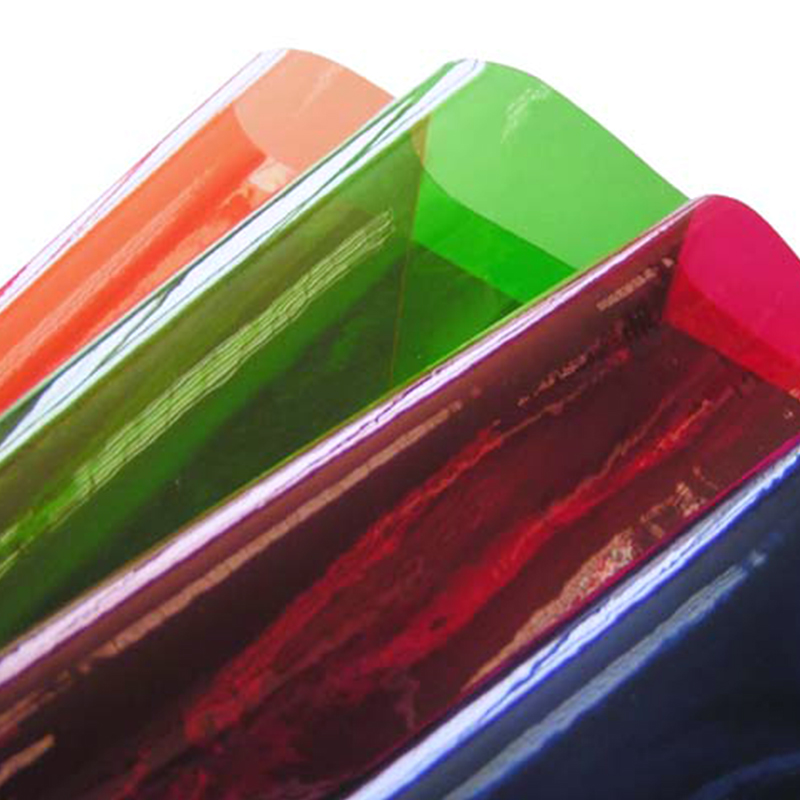
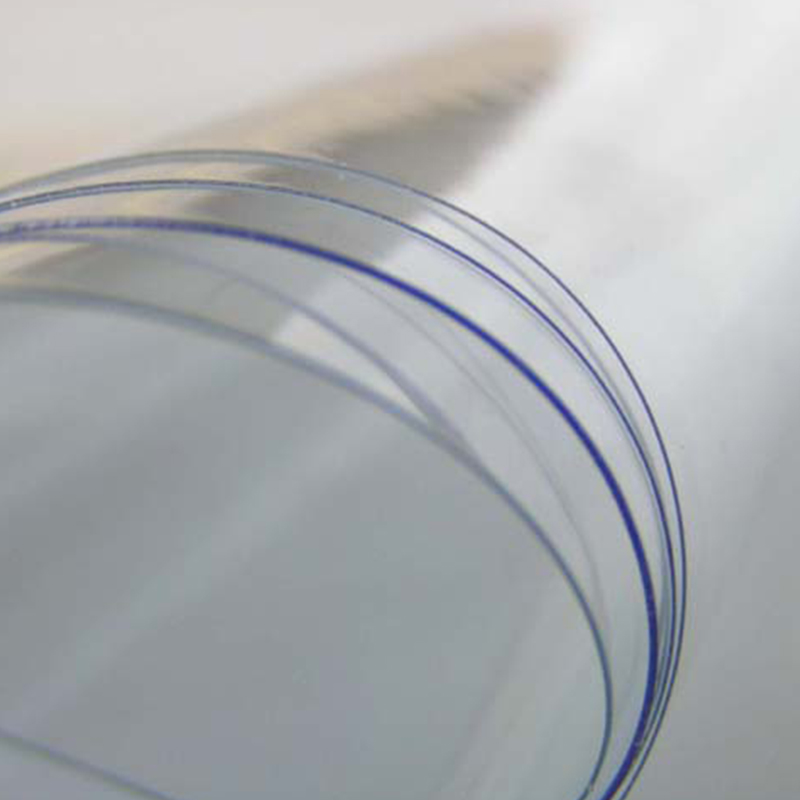 OverviewOur Super Clear PVC Film for tablecloths offers ultra-transparent protection while maintaining a sleek appe...
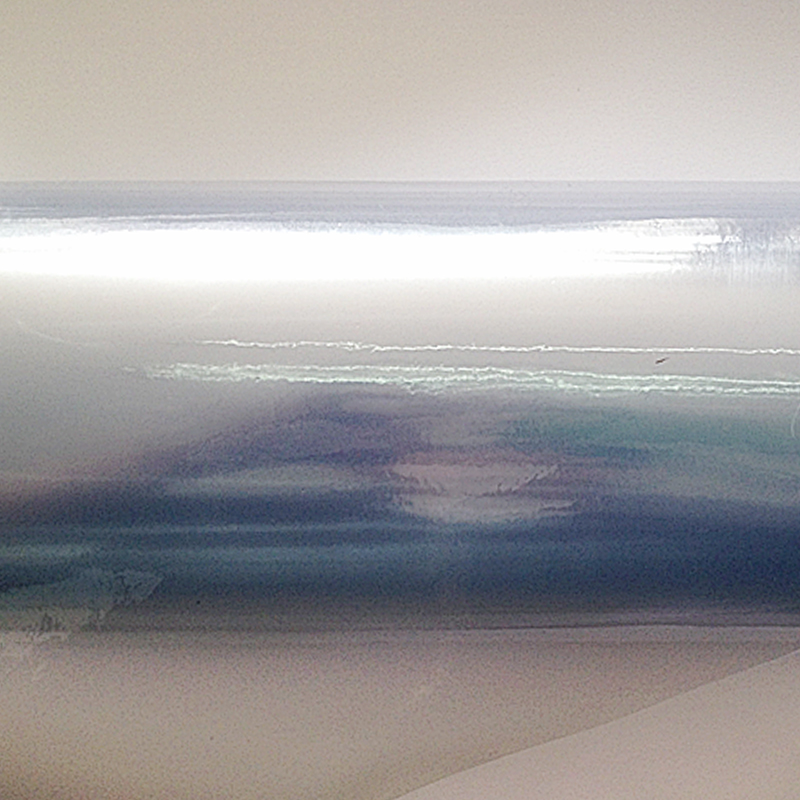 OverviewReliable clear PVC film featuring a powdered, non-sticky surface and slightly lower clarity. Normal Clear P...
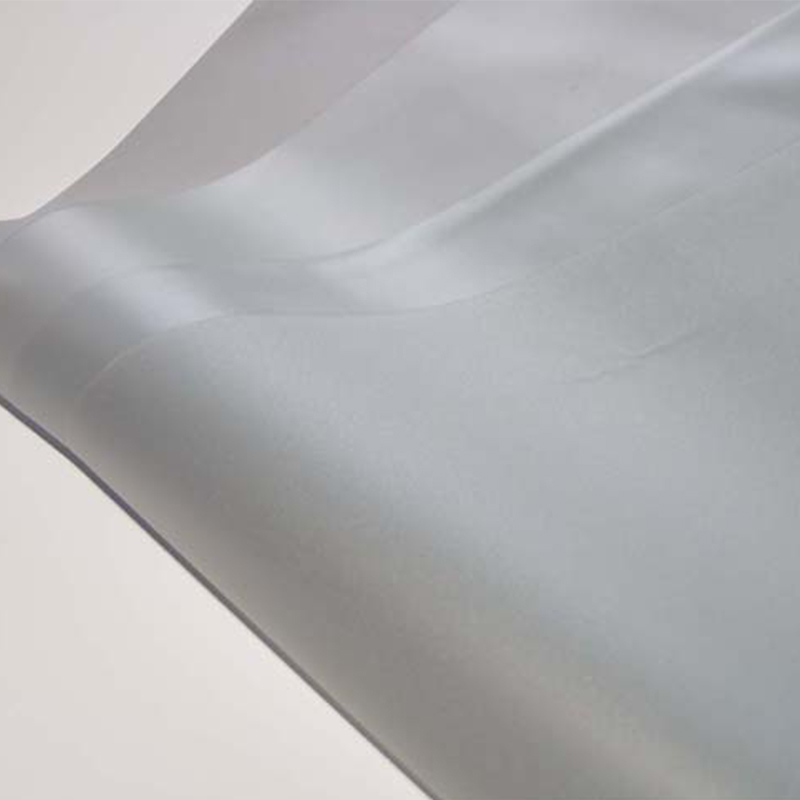 OverviewSemi-transparent PVC film with matte finish, delivering light diffusion and a refined tactile feel. Flexibl...
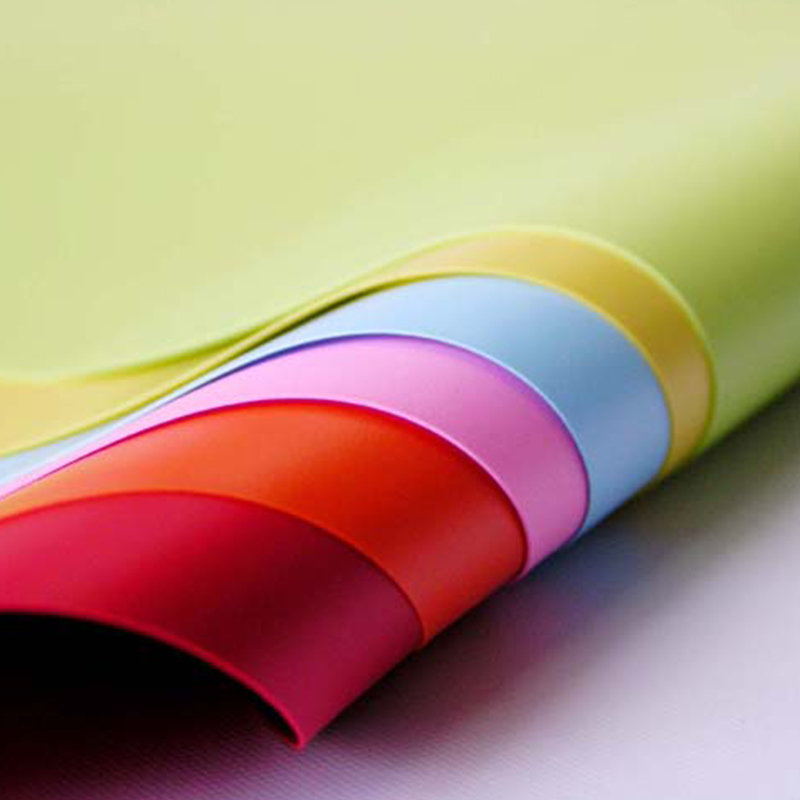 OverviewDecorative yet functional embossed PVC film combining color and surface texture for protective book covers....