Why Do PVC Films Appear in Daily Protection and Surface Covering Work
In many working environments, surfaces often need a simple layer of protection during storage, handling, or transport. These surfaces can be metal, plastic, paper-based materials, or finished products that need to avoid scratches or dust contact. Instead of complex protection systems, flexible film materials are often used because they are easy to place and adjust.
PVC-based films are commonly seen in these situations. They are flexible, easy to roll, and can be applied across different shapes. Some films are designed with color, while others remain transparent. These differences are not only visual but also relate to how the surface is used and handled.
Colored film is often used when surface grouping or visual separation is needed. Clear film is more focused on keeping the original surface visible while still offering a protective layer. Both serve similar purposes, but the way they interact with the surface is slightly different.
In daily work, these films are often used in short-term or medium-term covering tasks. They help reduce direct contact between the surface and the environment, especially in places where dust or light friction may appear during movement or storage.
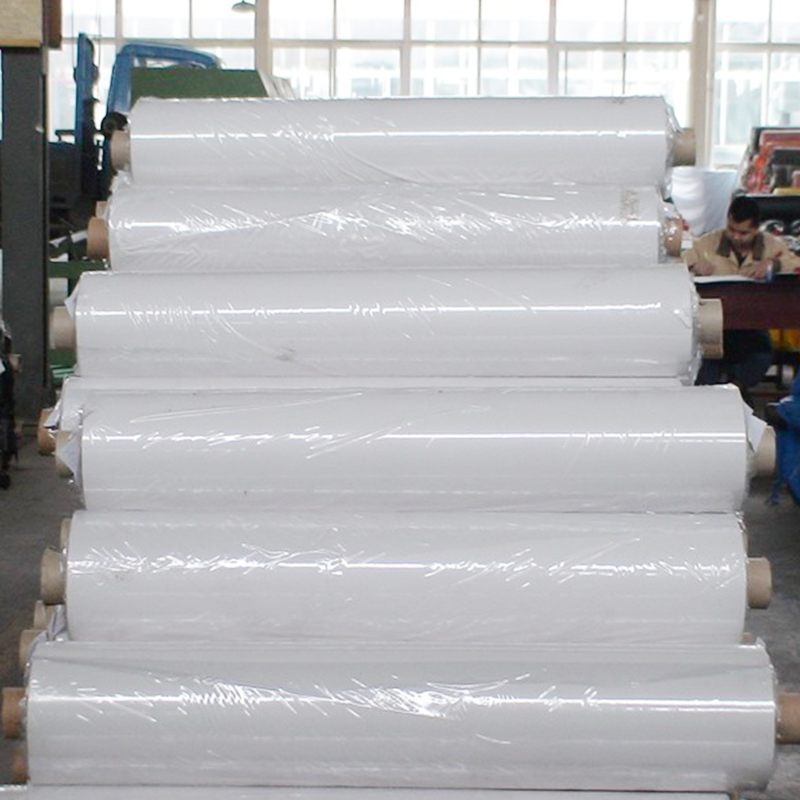
What Is Colored PVC Film Used for in Practical Work Environments
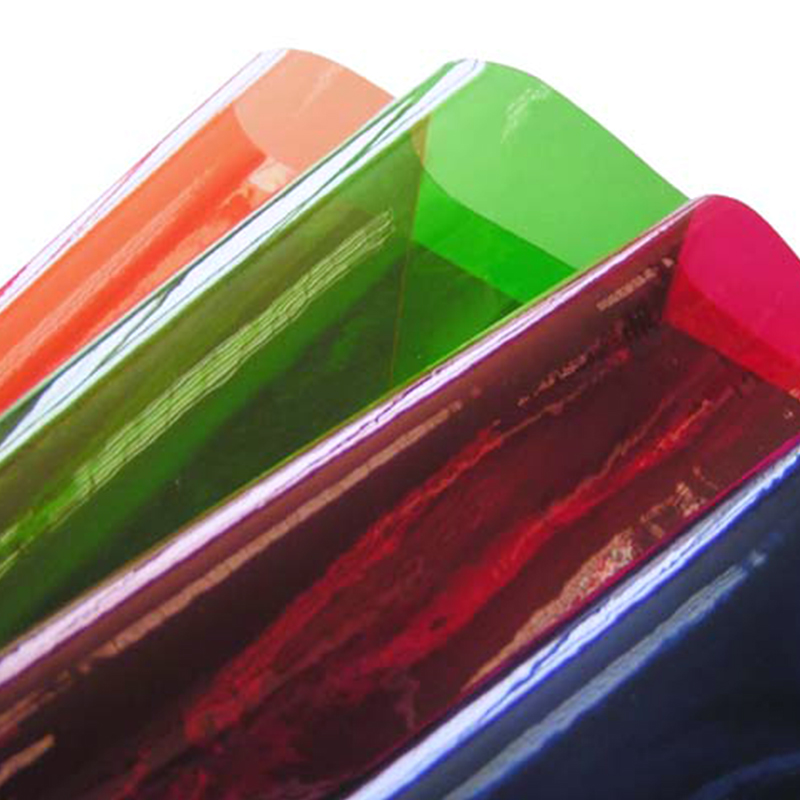
Colored PVC Film is often used when surface identification or visual separation is needed. In many working spaces, different materials or parts may need to be grouped or marked. Color helps create a simple visual difference without adding extra tools or labels.
In practical use, colored film is often applied in situations such as:
- Covering stored materials that need visual grouping
- Wrapping surface parts that must be separated by category
- Reducing confusion in multi-part handling areas
- Adding a visible layer over items in storage or transport
- Protecting surfaces where direct viewing is not required
The presence of color changes how the surface is perceived. Once applied, the original surface is no longer directly visible. Instead, the focus shifts to the outer layer. This can help in environments where multiple items are placed close together.
Colored film also behaves slightly differently depending on the surface underneath. On smooth surfaces, it tends to sit evenly. On uneven surfaces, small air gaps or folds may appear, which is normal in flexible material use.
How Does Clear PVC Film Roll Work in Surface Protection Tasks
Clear PVC Film Roll is used when the surface still needs to be seen while being protected. The transparent nature of the film allows the material underneath to remain visible, which is useful during inspection or handling.
This type of film is often used in situations such as:
- Covering finished surfaces that require visual checking
- Protecting items during short-distance movement
- Wrapping objects that need to remain identifiable
- Temporary protection during processing stages
- Keeping surface condition visible without direct contact
The film follows the shape of the surface in a flexible way. On flat areas, it lays smoothly. On curved or uneven areas, it adjusts by stretching slightly or forming soft folds. These changes are part of normal application behavior.
A simple comparison between colored and clear film use can be shown below:
| Film Type |
Main Purpose |
Surface Visibility |
Typical Use |
| Colored PVC Film |
Visual separation |
Covered |
Grouping and covering |
| Clear PVC Film Roll |
Surface visibility |
Visible through film |
Inspection and protection |
This difference helps determine which film is more suitable depending on how the surface needs to be handled.
What Is the Difference Between Colored PVC Film and Clear PVC Film Roll in Practical Use
Although both types of film are used for surface protection, their usage intention is not exactly the same. The difference is mainly related to visibility and surface interaction.
Colored film focuses more on covering and visual separation. Once applied, the surface underneath is not meant to be seen directly. This makes it useful in environments where grouping or identification is more important than inspection.
Clear film, on the other hand, allows the surface to remain visible. This is useful when checking condition, alignment, or surface changes during handling. It acts as a protective layer without hiding what is underneath.
In practical use, some key differences include:
- Visibility of the covered surface
- Level of surface inspection possible after application
- Purpose of covering (grouping vs protection with viewing)
- Ease of identification during handling
- Perception of surface condition under film
Even though both films serve protective roles, their function changes depending on the working environment. One focuses more on visual control, while the other supports continuous observation.
How Do Colored PVC Film and Waterproof PVC Film Work Together in Protective Applications
In some situations, different types of film are used together rather than separately. Colored PVC Film can be combined with Waterproof PVC Film when both visual control and moisture protection are needed.
Colored film helps organize or separate items visually. Waterproof film adds another layer that helps reduce the effect of moisture or environmental exposure. When used together, they form a layered protection approach.
This combination is often used in situations where:
- Items need to be grouped and also protected from moisture
- Surfaces are exposed to changing environmental conditions
- Long-distance handling requires layered covering
- Storage areas have mixed exposure levels
- Both identification and protection are required at the same time
The interaction between these layers is simple. The colored layer manages visual structure, while the waterproof layer supports environmental resistance. They do not interfere with each other but instead work in parallel roles.
In layered use, the order of application can influence how the surface feels during handling. The outer layer usually carries more contact, while inner layers stay closer to the surface itself.
What Role Does Waterproof PVC Film Play in Combined Film Usage
Waterproof PVC Film is often used as an additional layer when surface protection needs to go beyond simple covering. In many working environments, surfaces are not only exposed to dust or contact, but also to moisture in the air or accidental liquid exposure. In these cases, a moisture-resistant layer becomes part of the protection structure.
When used together with Colored PVC Film or Clear PVC Film Roll, the waterproof layer acts as a barrier between the surface and the external environment. It does not replace the visual function of other films but supports them by adding a different kind of protection.
In combined use, its role is usually related to:
- Reducing direct contact with moisture in storage areas
- Supporting surface stability during transport
- Helping maintain dry conditions for sensitive materials
- Working as an outer or middle layer in multi-film wrapping
- Adding extra protection in environments with changing conditions
The way it behaves depends on how it is placed in the layering structure. When placed outside, it mainly interacts with the environment. When placed closer to the surface, it supports the inner layer by reducing direct exposure.
How Do Surface Conditions Affect the Choice of PVC Film Type
The condition of the surface plays an important role in deciding which film type is used. Not all surfaces are smooth or uniform, so the way the film fits can change depending on texture, shape, and material behavior.
Smooth surfaces usually allow both Colored PVC Film and Clear PVC Film Roll to sit evenly without much adjustment. In these cases, the film follows the surface closely and creates a stable covering layer.
Rough or uneven surfaces behave differently. Small gaps or raised areas may cause slight air pockets or folds in the film. This does not reduce its protective function, but it changes how the film looks and feels during application.
Some surface-related considerations include:
- Level of surface smoothness
- Presence of edges, corners, or curves
- Need for visibility during handling
- Exposure level to dust or moisture
- Frequency of surface contact during use
A simple comparison of surface conditions and film response:
| Surface Condition |
Film Behavior |
Suitable Film Choice |
| Smooth and flat |
Even coverage |
Clear PVC Film Roll or Colored PVC Film |
| Slightly uneven |
Mild folding |
Either type with adjustment |
| Complex shapes |
Flexible fitting needed |
Layered film use |
| Moisture-prone areas |
Needs barrier support |
Waterproof PVC Film with other layers |
This shows that film selection is often connected to how the surface behaves rather than only the film itself.
How Do PVC Films Behave During Application and Removal
During application, PVC films follow the surface through flexibility. They can be adjusted by hand, stretched slightly, or pressed into place depending on the shape of the material. The process is usually gradual, especially when covering larger or uneven areas.
Colored PVC Film tends to cover the surface fully, changing how it is visually perceived. Clear PVC Film Roll, however, keeps the surface visible, so alignment and surface condition can still be checked after application.
Some general behaviors during application include:
- Flexibility around corners and edges
- Gradual settling on flat surfaces
- Small adjustments needed on curved areas
- Light tension helping the film stay in place
- Layer alignment when multiple films are used
Removal is usually simple. The film separates from the surface without leaving deep changes, but the speed and feel depend on how long it has been applied and how smooth the surface is.
In some cases, the surface may show slight differences in texture after removal, especially if the film was applied for a longer period. These changes are usually minor and related to surface contact rather than structural change.
How Are PVC Films Used in Combined Protective Workflows
In practical work environments, PVC films are often not used alone. Instead, different types are combined in a layered approach based on surface needs. Each layer plays a different role, and together they form a simple protection system.
A common layered sequence may include:
- Initial surface wrapping with clear film for visibility
- Addition of colored film for visual grouping or separation
- Outer layer adjustment for handling or transport stability
- Optional waterproof layer for environmental exposure
- Final adjustment based on surface shape and handling needs
This layered method helps manage different surface requirements at the same time. Visibility, grouping, and environmental protection are handled in separate steps rather than relying on a single material.
In repeated use situations, these layers may be adjusted or replaced depending on surface condition. Some parts may only need light covering, while others require more structured protection. The flexibility of combining different films allows this variation to be managed without changing the overall workflow.
Over time, this approach becomes part of a steady handling process. Surfaces move between exposure, covering, adjustment, and re-covering based on how they are used. PVC films remain part of this cycle as a simple and adaptable covering material.



 English
 русский
 Español
 عربى
عربى

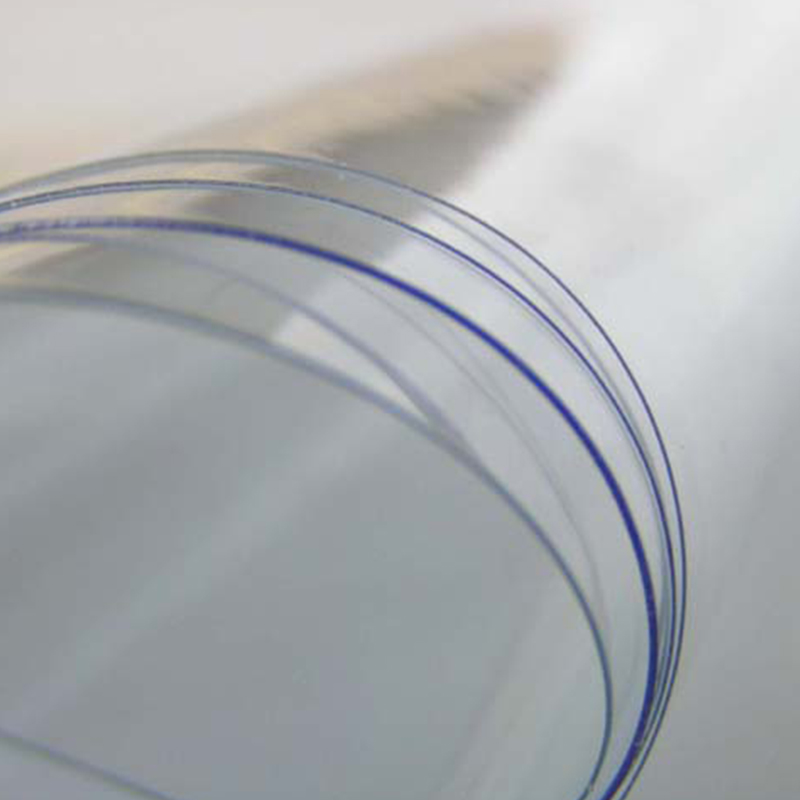 OverviewOur Super Clear PVC Film for tablecloths offers ultra-transparent protection while maintaining a sleek appe...
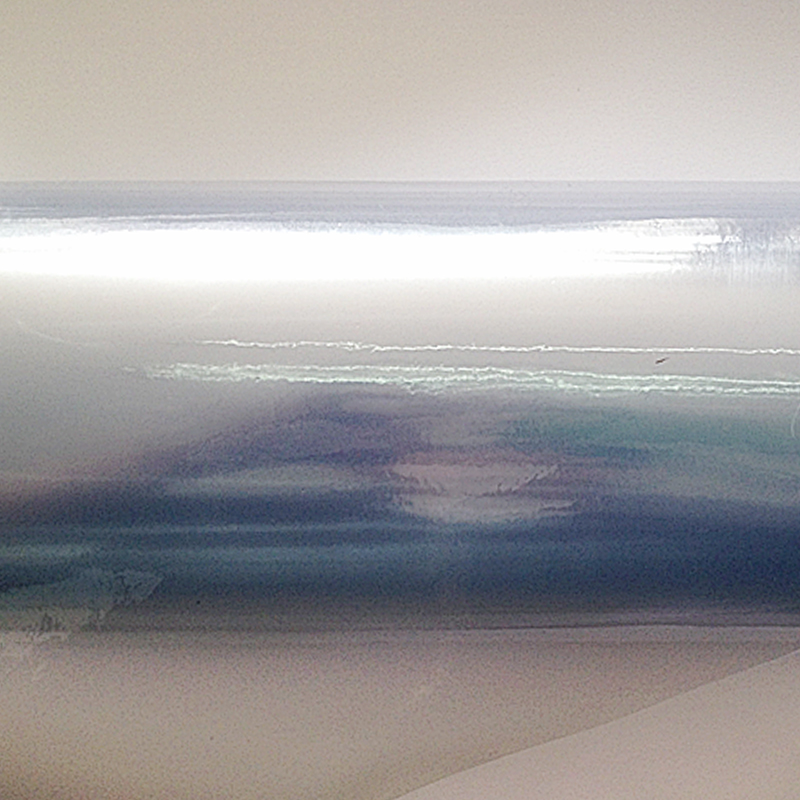 OverviewReliable clear PVC film featuring a powdered, non-sticky surface and slightly lower clarity. Normal Clear P...
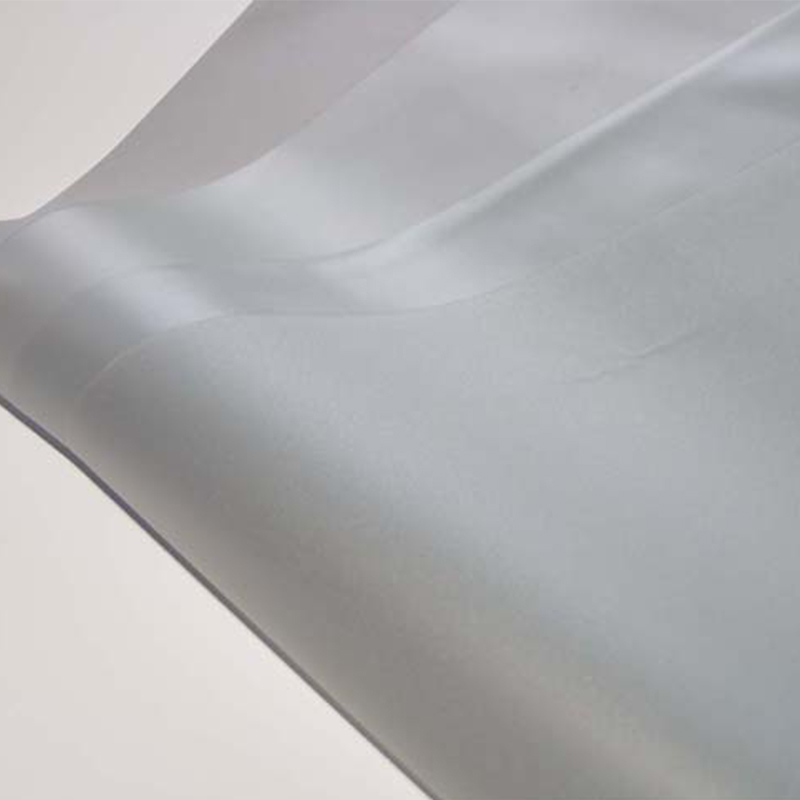 OverviewSemi-transparent PVC film with matte finish, delivering light diffusion and a refined tactile feel. Flexibl...
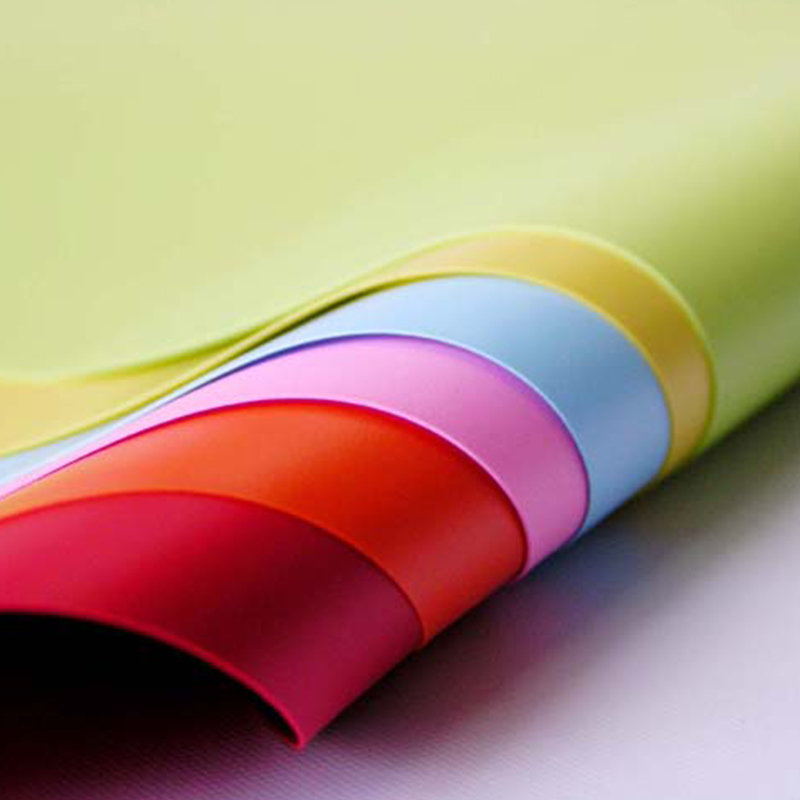 OverviewDecorative yet functional embossed PVC film combining color and surface texture for protective book covers....