Why Packaging Needs Protection And Visibility At The Same Time
In daily packaging work, two expectations often appear together. Products need protection from dust, moisture, and surface scratches, while at the same time the content still needs to be seen without opening the package. That balance is not always easy when using ordinary wrapping materials.
Clear PVC Film Roll is often chosen in such situations because it keeps a transparent surface while forming a protective layer around the product. Workers in warehouses, retail storage rooms, and transport preparation areas deal with this material regularly because it reduces repeated unpacking.
In real handling environments, packaging problems usually come from simple situations:
- boxes stacked too closely causing surface rubbing
- moisture in storage areas affecting outer layers
- dust settling during long storage periods
- repeated handling during sorting and shipment
A transparent protective film reduces direct contact while still allowing visual checking of what is inside. That avoids unnecessary opening and closing of packages during routine work.
What Clear PVC Film Roll Actually Does In Daily Use
Clear PVC Film Roll works as a flexible covering layer that wraps around products and keeps them stable during handling. The film adjusts to shape easily, which makes it suitable for both regular and irregular items.
In real applications, it is commonly used for:
- covering packaged goods in storage racks
- wrapping items before transport movement
- protecting surface finishes during handling
- keeping grouped items together during sorting
The material does not change the product itself. It only forms a surface layer that stays in contact with the outer side of the item.
A simple wrapping process usually follows a natural sequence:
- placing product in stable position
- guiding film around edges and corners
- overlapping layers where contact is needed
- adjusting tension to keep surface steady
No complicated structure is required. The result depends more on handling consistency than on wrapping complexity.
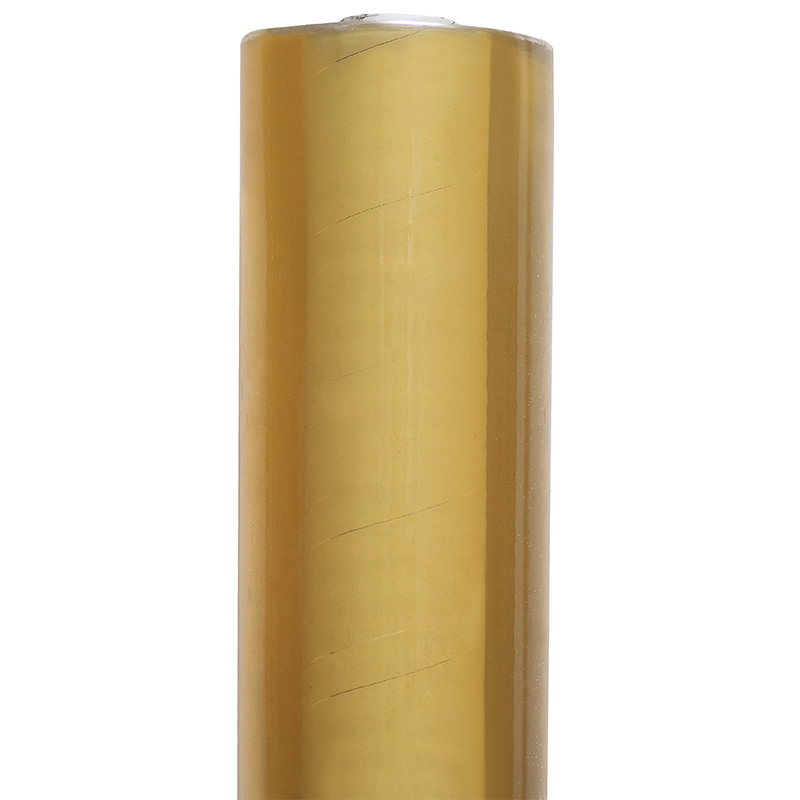
How Transparency Helps In Real Storage And Handling Work
Visibility is often underestimated in packaging systems. In many storage environments, staff need to identify items quickly without disturbing packaging layers. Clear PVC Film Roll allows that kind of visual access.
The surface of the film allows light to pass through, which keeps the appearance of the product readable. Color, shape, and general structure remain visible even after wrapping.
In practical use, this creates several small advantages:
- products can be checked without opening packaging
- inventory sorting becomes faster in mixed storage areas
- handling mistakes decrease during quick selection
- display items stay visible while still protected
A simple comparison helps show the difference:
| Packaging Type |
Visual Access |
Handling Behavior |
| opaque wrapping |
none |
frequent opening needed |
| no covering |
full access |
high exposure risk |
| Clear PVC Film Roll |
visible surface |
reduced unpacking |
In daily warehouse movement, that visibility reduces repetitive work. Instead of unwrapping, staff can confirm contents by looking through the film surface.
How Waterproof PVC Film Behaves During Moisture Exposure
Waterproof PVC Film is often used when storage environments involve humidity changes or unexpected moisture contact. The film acts as a barrier between the product surface and external conditions.
Water and moisture usually affect products in simple ways:
- surface dampness during storage
- humidity entering through open spaces
- condensation forming on exposed areas
- dust sticking more easily on wet surfaces
The film layer reduces direct exposure. Moisture stays on the outer surface instead of reaching the wrapped item.
In real handling, the protective effect appears in small details:
- outer surface may show droplets while product stays dry
- dust does not directly attach to product surface
- short-term humidity exposure has reduced impact
- surface cleanliness stays easier to maintain
The key function is separation. The product remains isolated from direct environmental contact.
How Mechanical Strength Works During Transport And Storage
Clear PVC Film Roll is not only about appearance. Mechanical behavior matters during transport and stacking.
Products often move through several stages:
- loading into storage containers
- shifting during transport movement
- stacking with other items
- repeated handling during sorting
Each movement introduces friction or pressure. Without protection, surfaces may rub against each other or against container walls.
The film helps reduce that direct contact. It stretches slightly around corners and keeps a stable layer between surfaces.
In real use, common protective effects include:
- reduced surface scratches during movement
- better stability when items are stacked
- lower friction between grouped products
- support for irregular shaped objects
Even small protection layers make a difference when handling is repeated across many stages.
How Environmental Conditions Influence Film Behavior
Clear PVC Film Roll responds naturally to surrounding conditions. Temperature and humidity influence how flexible or stable the material feels during use.
In warmer environments, the film tends to feel softer and easier to wrap. It can stretch slightly around corners without resistance. In cooler environments, the material may feel firmer, requiring more controlled handling.
Humidity also affects surface behavior:
- higher humidity may slightly affect surface grip
- dry environments allow smoother adjustment
- mixed conditions require careful tension control during wrapping
Storage conditions before use also matter. Film kept in stable environments behaves more predictably during application, especially when wrapping larger or irregular items.
Simple Observation From Real Packaging Work
In daily packaging operations, Clear PVC Film Roll is often judged not by technical description but by how it behaves during repeated use. Workers notice practical points such as:
- how easily the film wraps around uneven shapes
- how clearly items can still be seen after covering
- how stable the wrapping stays during movement
- how well the surface resists light contact damage
These small observations decide whether the material fits a specific workflow.
How PVC Film Suppliers Change What Happens On The Worktable
In daily packaging work, material difference often shows up in small moments, not in technical descriptions. A roll of Clear PVC Film Roll may look similar from the outside, yet behave differently once it is pulled, stretched, and wrapped around real products.
One batch may feel smooth when it runs across hands and product corners. Another batch may create slight drag, especially during fast wrapping. That difference slows down work without being obvious on paper.
Clarity also shifts slightly. Some film stays visually "quiet" on the surface, almost disappearing once placed on a product. Other film reflects light more, which can make inspection a bit harder under warehouse lighting.
Thickness variation is even more noticeable during stacking work. Thin film follows shape easily, wrapping uneven corners without effort. Thicker film holds shape better when boxes are pressed together or moved repeatedly.
Waterproof PVC Film performance also depends on consistency. If sealing behavior changes slightly from batch to batch, wrapping habits get adjusted without notice. Workers begin pulling tighter or overlapping more just to get the same level of coverage.
That small adaptation is common in packaging rooms where speed matters.
Waterproof PVC Film In Real Movement, Not In Theory
Waterproof PVC Film behaves differently depending on where it is used. In still storage, everything looks stable. In movement, details start to show.
In warehouse stacking, products are often placed in layers. Pressure builds slowly from above. The film layer sits between surfaces, reducing direct contact. Even when boxes shift slightly, the outer film absorbs the friction instead of the product surface.
In real handling, that matters more than it sounds. A small scrape repeated many times leaves visible marks over time. Film reduces that repetition.
Retail shelves bring a different situation. Products stay exposed to air and light, but also to frequent visual contact. People point, touch lightly, adjust items. The film keeps the surface intact while still allowing full viewing without opening packaging.
Transport is where movement becomes constant. Vibration is not strong at one moment, but continuous over time. Inside a vehicle or container, items adjust position slightly again and again. Without protection, edges begin to show wear. With Waterproof PVC Film, that contact happens on the film layer instead.
Unpacking cycles also matter. Items are checked, moved, and sometimes returned into storage again. Each cycle adds handling stress. Film reduces direct touch on the product surface, which keeps appearance more stable across repeated operations.
Wrapping Methods Change Everything, Even With Same Film
Same Clear PVC Film Roll can behave like two different materials depending on how it is used.
Manual wrapping is common in smaller spaces. Hands control tension directly. Some workers wrap tightly, others keep it looser depending on habit or product shape. That creates natural variation.
Corners often tell the truth. A sharp edge wrapped by hand may have extra tension on one side and slight looseness on another. It still protects, yet behavior is not perfectly uniform.
Machine wrapping removes part of that variation. Tension stays closer to a fixed rhythm. Coverage becomes more repeatable. That helps when large batches need similar protection, especially in packaging lines where speed matters.
Overlap is one detail that quietly decides performance.
If overlap is too small, edges become weak points. Dust or moisture can reach gaps during storage. If overlap is too heavy, material use increases and flexibility drops.
Shape also matters more than expected. Flat products are simple. Boxes, panels, and regular shapes follow predictable paths. Irregular shapes need more adjustment. Film is pulled tighter around curves, then loosened slightly at edges to avoid stress points.
In practice, wrapping is less about rule and more about adjustment based on feel.
Visibility And Protection Are Always Pulling In Different Directions
Clear PVC Film Roll sits in a strange position in packaging work.
One side wants full protection. The other side wants full visibility. Both cannot fully dominate at the same time.
If protection becomes too strong, film gets thicker or too layered, and visibility becomes slightly reduced under warehouse light. Products still can be seen, yet inspection slows down.
If visibility becomes the only focus, wrapping may become too light. That creates weak points during transport or stacking.
So daily use usually finds a middle path:
- enough clarity to identify products quickly
- enough strength to survive movement and stacking
- enough flexibility to fit different shapes
- enough overlap to avoid weak edges
In storage rooms, visibility saves time. Workers do not need to open every package. In transport, protection saves cost by reducing damage risk.
Both sides meet in the same material layer.
A small example from real handling:
A group of similar boxes arrives in storage. Without clear film, each box must be opened or labeled carefully. With Clear PVC Film Roll, staff can check contents visually and move items faster.
At the same time, those same boxes may be stacked later. Without protection, surface scratches appear quickly. With film, contact happens on the outer layer instead of the product itself.
That is where balance becomes practical, not theoretical.
Long-Term Behavior Inside Real Packaging Systems
Clear PVC Film Roll does not stay in one stage. It moves through full packaging cycles.
In storage, it sits quietly around products. Dust may collect on the surface, not the item itself. That already changes maintenance habits, since cleaning becomes easier.
During transport, it experiences vibration and pressure changes. It does not stop movement, it simply absorbs contact points between surfaces.
During retail display, it stays almost invisible. Products remain visible without opening packaging. That reduces handling by customers or staff, which keeps appearance more stable over time.
Over longer use, some patterns appear:
- workers start relying on visibility instead of opening packages
- wrapping speed becomes more natural with experience
- overlap habits become more consistent
- handling mistakes reduce simply through familiarity
Packaging systems slowly adapt to the material instead of forcing the material to behave differently.



 English
 русский
 Español
 عربى
عربى

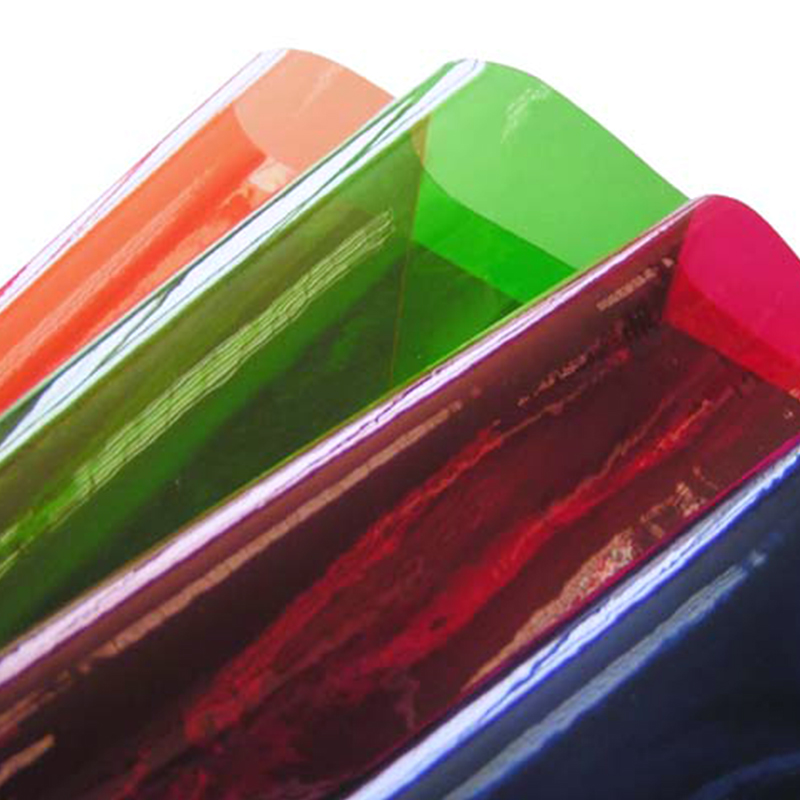
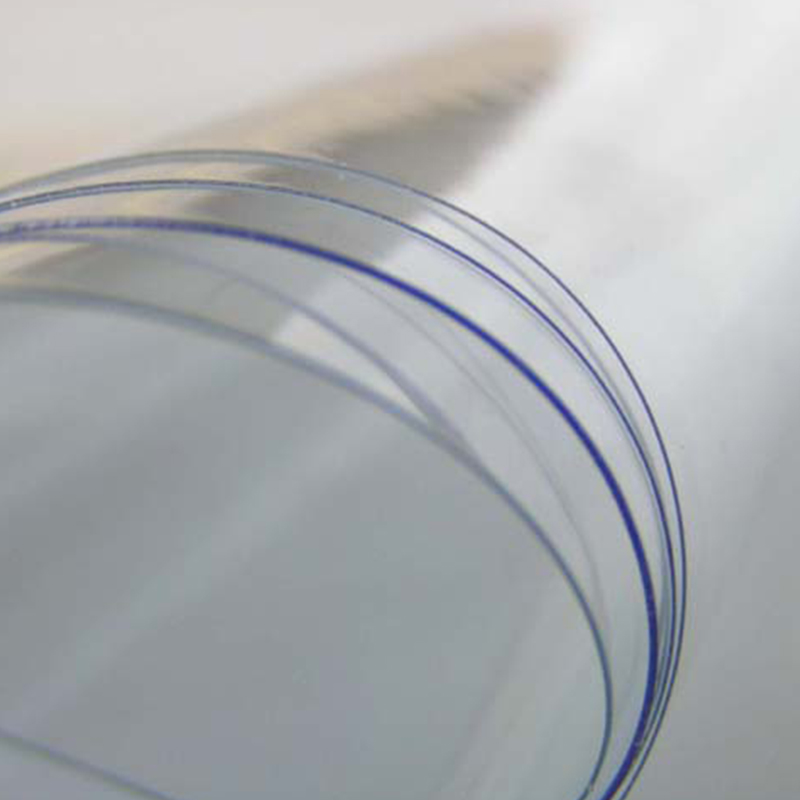 OverviewOur Super Clear PVC Film for tablecloths offers ultra-transparent protection while maintaining a sleek appe...
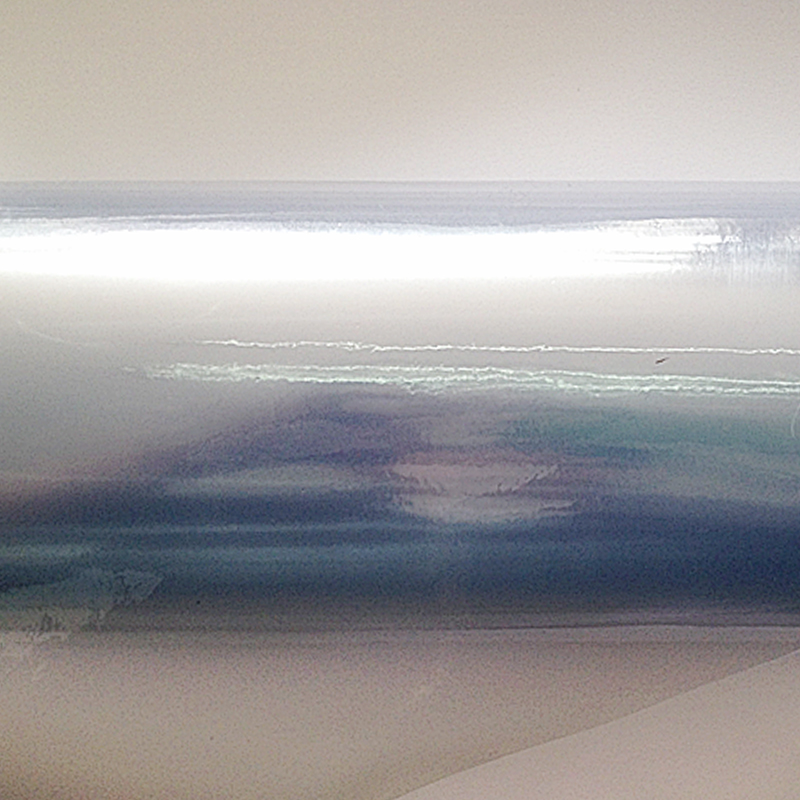 OverviewReliable clear PVC film featuring a powdered, non-sticky surface and slightly lower clarity. Normal Clear P...
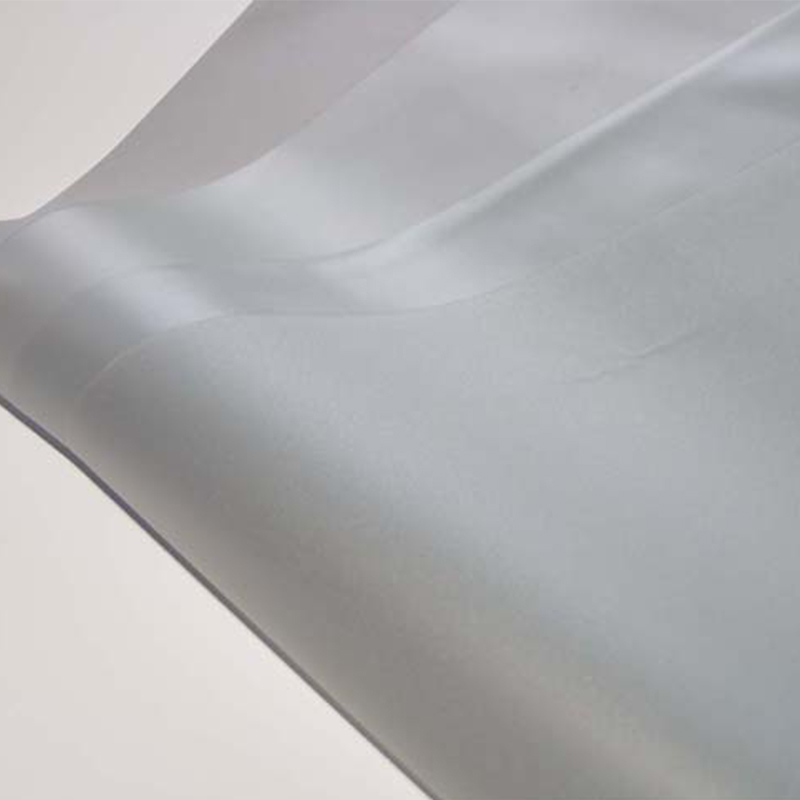 OverviewSemi-transparent PVC film with matte finish, delivering light diffusion and a refined tactile feel. Flexibl...
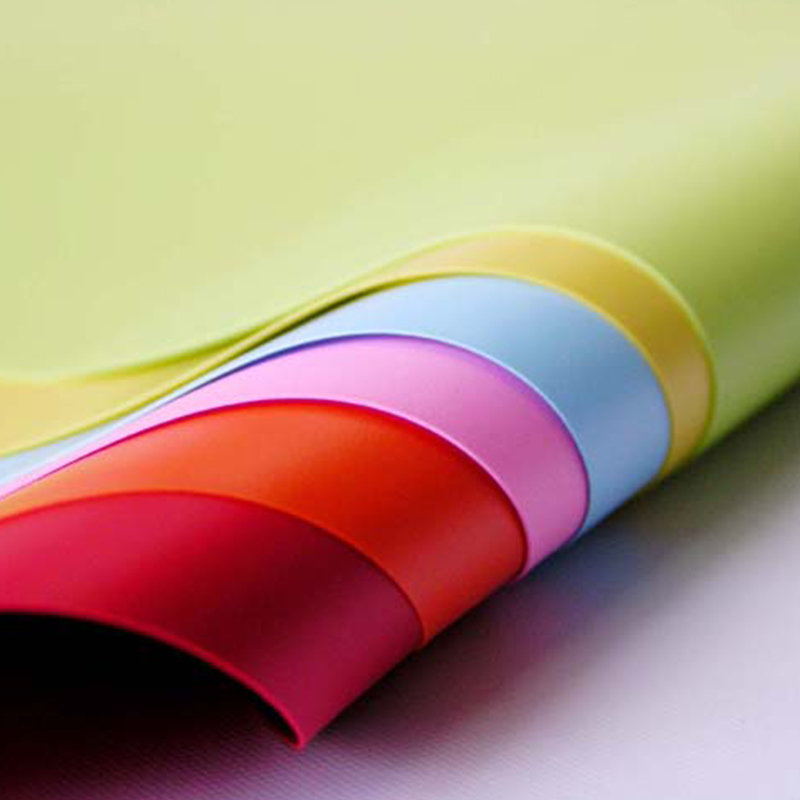 OverviewDecorative yet functional embossed PVC film combining color and surface texture for protective book covers....