In many working and living spaces, surfaces are often exposed without much attention. Water from cleaning, dust from movement, and accidental contact during handling slowly affect how things look and feel over time.
Because of that, covering materials are often used in a very simple way. Not for heavy protection systems, just as a light barrier between the object and the environment. A layer that can be placed quickly and removed without effort is usually enough for daily tasks.
In these situations, Waterproof PVC Film is often chosen because it adapts easily to different surfaces. It does not require special setup. It simply sits on top of what needs to be covered and reduces direct contact with moisture or dust.
What Is Waterproof PVC Film in Real Daily Use?
In practical terms, Waterproof PVC Film is just a flexible sheet used for covering. It is not complicated in daily handling. People usually see it as a material that can be rolled out, placed over something, and adjusted by hand.
It bends easily, which makes it suitable for objects that are not perfectly flat. A table, a box, or stored materials can all be covered without precise shaping. In many cases, the film is not fixed permanently. It is moved, reused, or adjusted depending on what is happening in the space.
Instead of thinking of it as a technical product, it is easier to view it as a reusable covering layer. In packaging-related situations, a similar idea appears in PVC Film for Packaging, where the focus is also on surface protection during storage or movement.
How Does It Actually Work When Used for Covering?
The working process is simple and does not feel technical in daily use. The film is placed over an object, then adjusted so it sits without large gaps. Gravity and surface contact usually hold it in place, while edges may be folded or tucked depending on the shape.
Once it is in position, the surface underneath is no longer directly exposed. Water droplets, dust, or small particles stay on the film instead of reaching the object itself. When cleaning is needed, the film can be removed or wiped, depending on how it has been used.
In real environments, people rarely think about "how it works" in a technical sense. They only notice whether it covers well and stays in place during use.
Where Is It Commonly Seen in Indoor Spaces?
Inside rooms or enclosed working areas, covering needs are often temporary and flexible. Furniture, stored materials, and working surfaces are not always in active use. During cleaning or rearrangement, surfaces may need quick protection.
Typical indoor uses include:
- Covering furniture during cleaning or maintenance
- Placing a protective layer over stored items
- Shielding surfaces in preparation areas
- Temporary covering during small repairs or adjustments
In these situations, Waterproof PVC Film is used more like a practical sheet than a fixed installation. It is easy to spread, easy to remove, and does not require special tools.
How Is It Used in Outdoor or Temporary Spaces?
Outdoor use feels different because conditions change more often. Wind, moisture, and dust are more noticeable, so covering usually needs a bit more attention during placement.
Even so, the approach remains simple. The film is placed over objects that need short-term protection. Sometimes it is held down at the edges or combined with basic fastening methods to keep it from shifting.
Common outdoor situations include:
- Covering stored items placed outside for a short period
- Protecting materials during movement between locations
- Temporary shielding from light rain or dust
- Simple coverage during loading or unloading work
In these moments, the material is not expected to provide permanent protection. It only needs to reduce direct exposure while activity is ongoing.
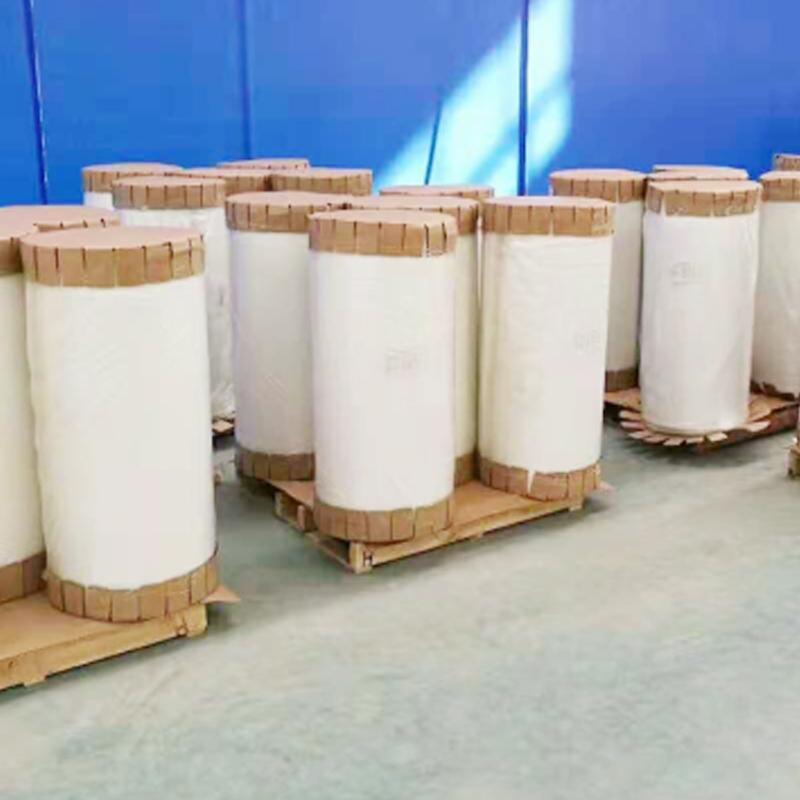
What Happens in Workshop and Work Area Use?
In small working environments, surfaces are constantly in use. Tools are placed down, materials are moved, and work areas change throughout the day. Because of this, covering materials are often used in a flexible way.
Waterproof PVC Film is sometimes placed over worktables or storage surfaces before tasks begin. After work, it can be removed or replaced depending on condition.
It is also used to separate clean areas from active working zones. For example, materials waiting for processing may be covered until needed. This helps reduce direct contact with dust or accidental spills.
In many of these spaces, the film becomes part of daily routine rather than a special tool.
How Does It Connect With Packaging Use?
When covering moves from surfaces to items being stored or transported, the usage shifts slightly. Instead of just protecting a fixed area, the film wraps around objects to keep them separated from external contact.
In packaging-related work, PVC Film for Packaging is often used in similar ways:
- Wrapping items before storage
- Covering goods during movement
- Separating materials in stacked storage
- Reducing surface contact between packaged objects
The main idea stays the same: keep surfaces from touching external conditions directly. The method changes from laying flat to wrapping, depending on shape and purpose.
To make the differences easier to see, here is a basic comparison of how the material is used in daily environments:
| Use Situation |
How It Is Applied |
Main Purpose |
Handling Style |
| Indoor covering |
Laid over surfaces |
Dust and moisture protection |
Simple placement |
| Outdoor covering |
Placed and secured lightly |
Temporary exposure protection |
Adjusted edges |
| Workshop use |
Applied to work areas |
Surface shielding during tasks |
Reused frequently |
| Packaging use |
Wrapped around items |
Protection during movement |
Flexible wrapping |
What Affects How the Film Feels During Use?
In daily work, the way Waterproof PVC Film performs is often noticed only during handling. It is not something that needs much thinking, more something felt through use.
On flat surfaces, the film usually spreads without much effort. It settles and stays in place with only small adjustments at the edges. When the surface is uneven, the material behaves differently. Small air gaps may appear, and the film needs to be smoothed by hand.
Room conditions also make a difference in a quiet way. In slightly humid spaces, the film feels softer and easier to adjust. In dry environments, it tends to hold its shape more firmly, which sometimes makes folding or repositioning feel a bit different.
Even after repeated use, the material still keeps its basic covering function. It may not feel exactly the same as before, yet it continues to work in general protection tasks.
What Daily Maintenance Usually Looks Like?
There is no complex routine around it. Maintenance is something done naturally after use.
If the film has dust or light moisture on the surface, it is usually wiped or simply cleaned with a cloth. When it is still in good condition, some people just shake it lightly and fold it back.
How it is stored matters more than cleaning. If it is folded too tightly for a long time, the creases can stay visible and affect how it lays on surfaces later. Because of this, rolling is often preferred when there is enough space.
Common habits in daily use are quite simple:
- keep away from sharp edges
- avoid placing heavy items on top of it
- store in a dry corner or container
- roll loosely instead of pressing folds tightly
Nothing formal, just practical handling based on experience.
How It Works in Packaging and Wrapping Work
When used in packaging, the material shifts from covering surfaces to wrapping objects. The idea stays the same, only the shape of use changes.
In many working spaces, PVC Film for Packaging is used in a similar way. It wraps around items to reduce contact with air, dust, or moisture during movement or storage.
Wrapping is usually done without fixed steps. The film is pulled over the object, adjusted by hand, and pressed lightly so it stays in place. Depending on the shape, some parts may overlap or be folded.
Typical use situations include:
- covering items before moving them short distances
- wrapping stored goods to reduce surface exposure
- separating materials placed close together
- adding a light protective layer during handling
It is not a precise process. It is done quickly, based on what the item needs at that moment.
How It Fits Into Everyday Protection Work
In real environments, protection is rarely done with a single material or method. Different layers are often used depending on the situation.
Waterproof PVC Film usually works as one of the flexible layers in that mix. Sometimes it sits directly on surfaces. Sometimes it is placed over other coverings. In other cases, it is used just for short-term shielding during work.
Its role changes depending on how people use it:
- covering surfaces during cleaning or short work
- protecting stored materials for a limited time
- wrapping items that need to be moved
- separating objects in shared spaces
It does not follow a fixed pattern. It adjusts to the working rhythm around it.
Why It Continues To Be Used in Different Places
The main reason is not complexity. It is simplicity in daily handling.
There is no need for preparation before use. It can be taken out, placed, adjusted, and stored again without extra steps. That makes it easy to fit into different working habits.
It also works across different situations without needing change in form. A single sheet can be used in indoor covering, outdoor temporary protection, or packaging work depending on how it is applied.
In many spaces where Waterproof PVC Film is part of routine work, it is treated more like a general-purpose covering material than a specialized product.
How Daily Use Slowly Changes the Material
With repeated use, small changes naturally appear. The edges may not stay as smooth as before. Fold lines can become more noticeable after being stored many times.
Stretching and repositioning over time also affects how it lays on surfaces. It may not feel as flat as when it was new, especially after frequent wrapping or covering work.
Still, it remains usable in general protection tasks. Many people continue using it until the change in condition becomes noticeable enough to affect daily handling.
This slow change is expected in materials that are reused in different environments rather than replaced after each use.
Looking at it in real settings, Waterproof PVC Film does not stand out as a complex tool. It moves quietly through different tasks depending on what is needed.
Sometimes it covers a surface during cleaning. Sometimes it wraps an item before storage. Sometimes it is used just for short protection during movement or handling.
The same material appears in different forms of use without changing its nature. That flexibility is what keeps it present in everyday covering and packaging work.
Its role stays practical. It supports simple protection work, adapts to different surfaces, and fits into both covering and packaging tasks without complication.
Over time, it becomes something that blends into daily operations rather than standing apart from them.



 English
 русский
 Español
 عربى
عربى

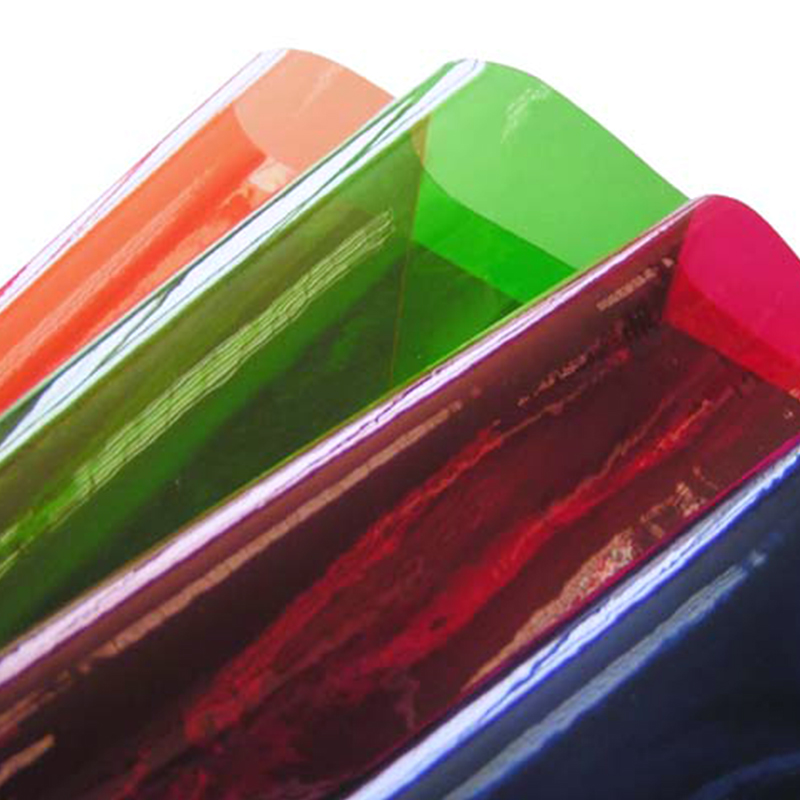
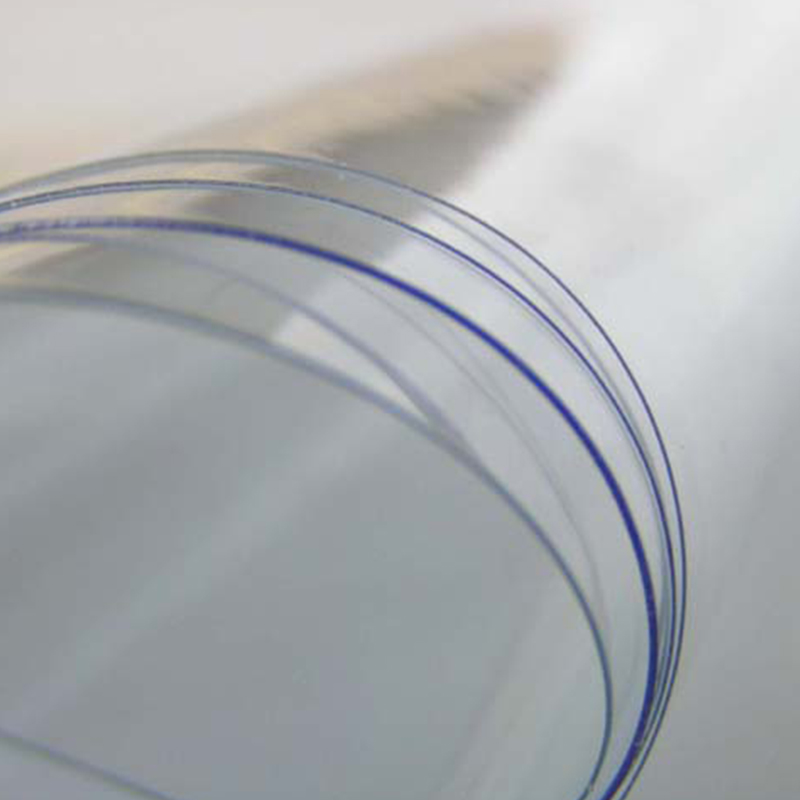 OverviewOur Super Clear PVC Film for tablecloths offers ultra-transparent protection while maintaining a sleek appe...
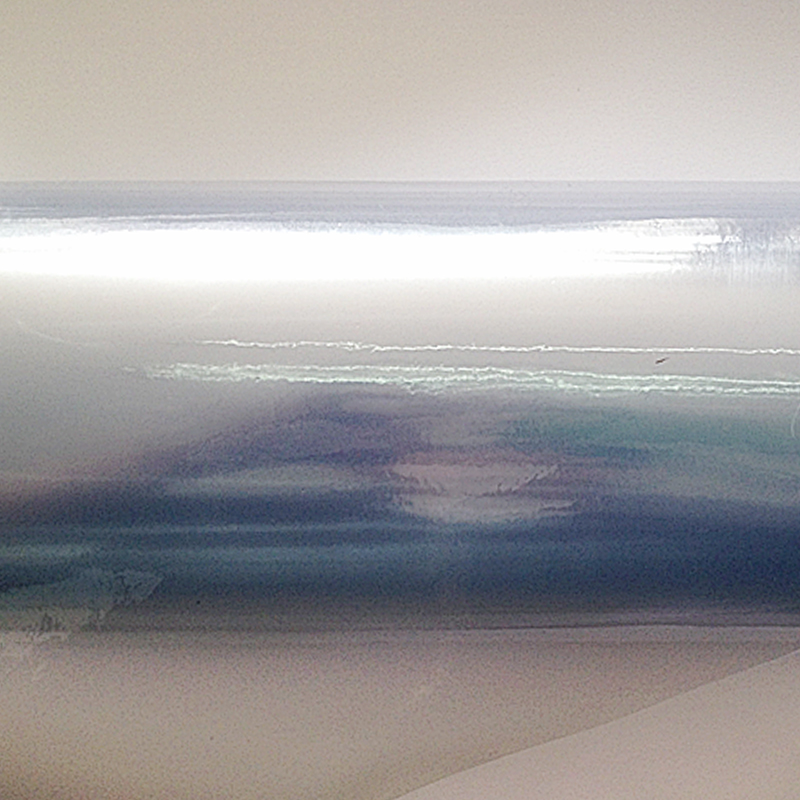 OverviewReliable clear PVC film featuring a powdered, non-sticky surface and slightly lower clarity. Normal Clear P...
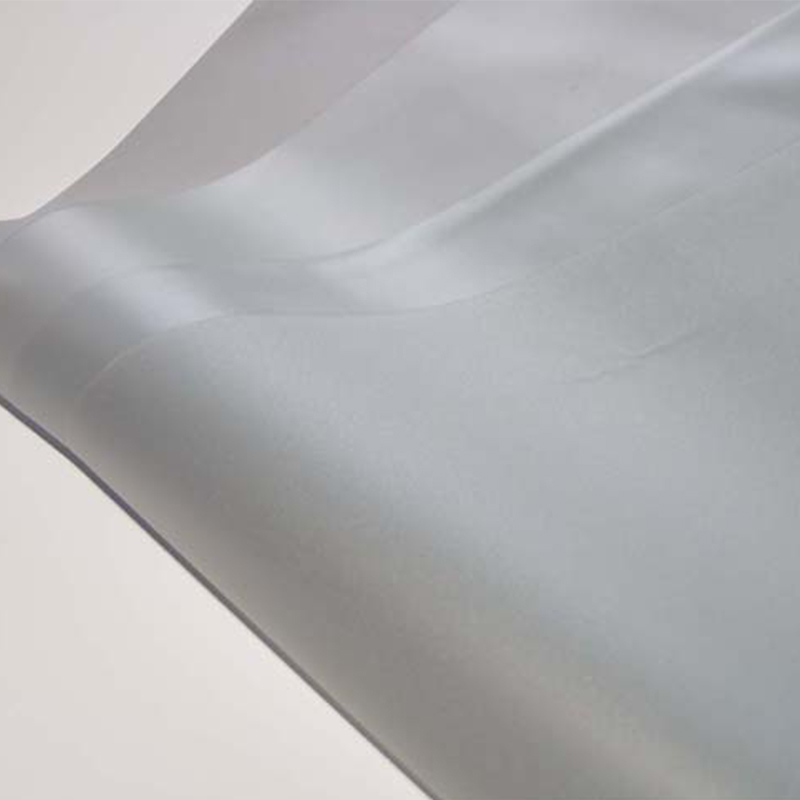 OverviewSemi-transparent PVC film with matte finish, delivering light diffusion and a refined tactile feel. Flexibl...
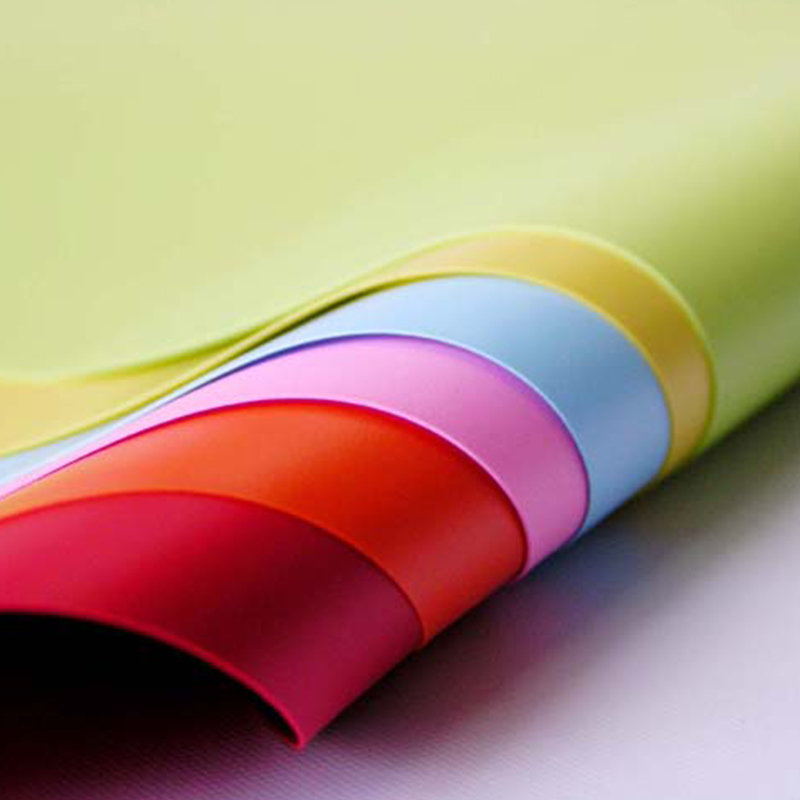 OverviewDecorative yet functional embossed PVC film combining color and surface texture for protective book covers....