Surface protection in daily packaging work often begins with a simple requirement that appears across many handling, storage, and transport environments, where object surfaces remain exposed to repeated contact and gradual friction from surrounding materials, creating a need for a covering layer that can stay in position while adapting to different shapes without losing stability during movement.
Embossed PVC Film is commonly used in such situations where surface covering requires not only flexibility but also controlled contact behavior, since textured structure changes the way film interacts with objects by increasing micro-level contact points across the surface, which reduces uncontrolled sliding during wrapping and helps maintain alignment even when surfaces are curved, uneven, or repeatedly handled.
Within many application settings, PVC Film Factory processes determine how the surface texture is formed, and the way this structure is shaped influences how the material behaves during application, since deeper or lighter embossing patterns affect grip behavior, bending response, and surface stability during continuous contact, making structural balance an important part of film production rather than a secondary detail.
Why surface protection relies on controlled contact behavior
Surface protection systems often deal with objects that move through multiple stages such as storage, transfer, and temporary placement, and each stage introduces different types of surface interaction, where friction, pressure, and contact variation may gradually affect appearance or surface condition if no protective layer is present.
Smooth film materials tend to rely on uniform contact across the surface, which allows easy placement but may reduce stability when handling involves curved shapes or repeated movement, since sliding can occur under slight pressure changes, especially when objects are repositioned or stacked in different orientations.
Embossed PVC Film introduces a textured interface that changes this interaction pattern by distributing contact through multiple raised and lowered points, creating a surface behavior that remains more stable under movement, allowing wrapping layers to stay in place without requiring constant adjustment during application.
Key behavior patterns often include:
- controlled grip across curved and flat surfaces
- reduced sliding during repositioning or adjustment
- stable layering during overlapping application
- balanced pressure distribution across contact points
- improved alignment retention during handling
What defines Embossed PVC Film in structure and physical behavior
The structure of Embossed PVC Film is formed through a controlled surface shaping process where the base material remains flexible while the surface layer develops patterned textures, and this combination creates a balance between adaptability and surface stability, allowing the film to bend around objects while maintaining consistent contact behavior during application.
PVC Film Factory production control plays a central role in maintaining this structure, since the depth, spacing, and distribution of embossed patterns directly influence how the film responds to pressure and movement, and small variations in surface formation can change how the material performs during wrapping tasks across different environments.
Structural characteristics generally include a flexible base layer that supports bending, a textured surface that creates multi-point contact, and a stable response under moderate pressure that allows the film to remain positioned once applied, even when external handling continues around the covered object.
| Structural Element |
Functional Behavior |
Practical Effect |
| Flexible base layer |
Supports bending and wrapping |
Adaptation to shape variation |
| Embossed surface pattern |
Creates multi-point contact |
Stable surface positioning |
| Contact variation zones |
Adjusts pressure distribution |
Reduced sliding during handling |
| Surface response balance |
Maintains stability under load |
Consistent covering performance |
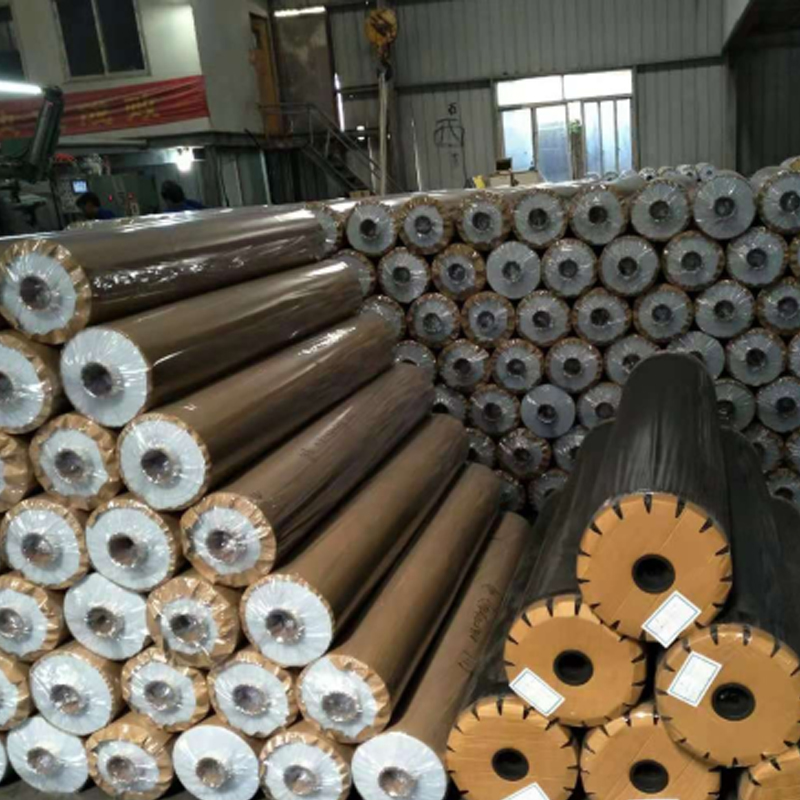
How Embossed PVC Film behaves during packaging application
During packaging operations, material application usually involves gradual placement, adjustment around edges, and continuous contact across surfaces that may not share uniform geometry, and in such conditions, film behavior becomes an important factor in determining how smoothly wrapping can be completed without repeated repositioning.
Embossed PVC Film interacts with surfaces through textured contact points that create slight resistance during movement, allowing controlled adjustment rather than free sliding, which helps maintain positioning when wrapping continues across different sections of an object, especially in cases where curved edges or irregular shapes require repeated alignment.
Application behavior often follows a continuous movement pattern rather than separate steps, since contact begins during initial placement, gradually increases during wrapping motion, and stabilizes once overlapping layers form across the surface, creating a continuous coverage state that supports surface protection without frequent correction.
Typical interaction stages include:
- initial surface engagement where positioning begins
- controlled adjustment phase during wrapping movement
- layered contact formation across overlapping sections
- stabilization phase where surface coverage remains fixed
- final balance stage where pressure distribution settles
Why textured film is selected instead of smooth film in many situations
Smooth film materials often allow fast movement across surfaces, which can be useful in simple covering tasks, yet in environments where shape variation and repeated handling occur, this same property may reduce stability during application.
Embossed PVC Film introduces surface texture that changes this behavior by creating controlled resistance during movement, allowing the material to remain in place while still supporting flexibility, which becomes particularly useful when objects contain curved areas, edges, or irregular surfaces that require gradual adjustment during covering.
Differences in behavior can be observed through surface interaction patterns where smooth film tends to rely on continuous sliding contact, while embossed film relies on distributed grip points that maintain alignment without restricting flexibility, creating a balance between movement control and adaptability.
Common influencing factors include:
- surface shape complexity of wrapped objects
- frequency of handling after application
- need for positional stability during storage
- requirement for layered covering consistency
- variation in contact pressure during use
Where Embossed PVC Film appears in daily surface protection use
Surface protection applications extend across many environments where temporary or longer-term covering is required to reduce direct contact between objects and external conditions, and Embossed PVC Film is often used in such contexts where stability during handling plays a role in maintaining surface condition.
In many situations, objects are not static after wrapping, since movement between storage, transport, and placement stages introduces repeated contact with external surfaces, and textured film helps maintain covering position during these transitions by reducing unintended displacement caused by friction or minor pressure shifts.
Typical usage environments include:
- temporary covering during movement or storage
- surface protection in handling and transfer operations
- wrapping of objects exposed to repeated contact
- intermediate protection during staged processing
- surface isolation during short-term placement cycles
How PVC Film Factory processes influence surface behavior
PVC Film Factory operations influence how Embossed PVC Film behaves during application through controlled formation of surface patterns, where adjustments in texture shape, distribution, and surface consistency determine how the film interacts with objects under different handling conditions.
During production, maintaining balance between flexibility and surface definition becomes important, since overly rigid texture may reduce adaptability, while insufficient texture may reduce stability during application, and achieving suitable balance allows the material to function across varied surface conditions without losing wrapping control.
Production influence areas generally include:
- consistency of surface embossing formation
- balance between flexibility and surface grip behavior
- stability of texture across continuous material length
- adjustment of surface response for different applications
- control of material behavior under pressure variation
How surface condition quietly changes wrapping behavior
In real packaging work, the film never acts alone. The object underneath always changes the way wrapping feels during handling. A smooth surface behaves in one way, while a slightly uneven one changes everything during contact, even when the same Embossed PVC Film is used.
On flatter surfaces, placement usually settles without much correction. The film finds its position quickly, and the texture holds it in place with less movement. Once the surface becomes curved or irregular, the hand movement tends to slow down, since alignment shifts more easily across edges and corners. The embossed texture helps hold contact points, though the wrapping rhythm still depends on shape and surface tension.
Repeated movement during handling also leaves its mark on stability. Every time an object is lifted, rotated, or placed again, small pressure changes pass through the film. The texture spreads these small shifts instead of letting them concentrate in one spot, which helps keep the covering from drifting out of position too easily.
In practice, surface behavior often follows a simple pattern:
- smooth areas settle quickly
- curved areas need gradual adjustment
- edges require repeated alignment checks
- repeated handling tests surface grip stability
- pressure changes slowly affect positioning
How Embossed PVC Film fits into everyday packaging flow
Packaging work rarely happens in a single clean step. Material usually moves through a sequence where preparation, wrapping, adjustment, and transfer happen in a continuous rhythm. Embossed PVC Film becomes part of that rhythm rather than standing as a separate layer.
At the start, contact is light and positioning is flexible. The film is placed, adjusted, and gently pulled into shape. As wrapping continues, overlap areas begin to form, and the surface texture starts to show its effect more clearly. Movement becomes less about sliding and more about controlled placement.
After full coverage, the object is not always left untouched. It may be lifted, stacked, or moved into another area. Each of these actions introduces small shifts in pressure. The embossed surface helps reduce sudden displacement, allowing the film to stay aligned without constant correction.
A simple flow often looks like:
- initial placement on surface
- gradual adjustment across shape
- layered wrapping around edges
- movement into storage or transport
- continued surface stability during handling
Why texture matters more than it looks
Surface texture may seem like a small detail, yet in actual use it changes how wrapping behaves in a very practical way. Smooth film tends to glide more easily, which sounds convenient, though in real handling it can also mean more repositioning during application.
Embossed PVC Film behaves differently. The raised and lowered pattern creates tiny contact points that hold onto surfaces in a more distributed way. Instead of one large sliding area, many small grips share the load. That difference becomes noticeable when objects are moved or adjusted during wrapping.
Over time, this structure helps reduce slow drifting of the film, especially in environments where objects are handled multiple times before final placement. The surface stays closer to where it was originally set, even after several small movements.
How different environments influence film choice
Packaging conditions vary more than they seem. Some environments involve steady handling, while others include frequent lifting, stacking, or temporary storage. Each situation puts different pressure on surface covering materials.
Embossed PVC Film often appears in situations where movement does not stop after wrapping. The object may still be transferred, rotated, or stored in changing positions. In such cases, the texture helps keep the film in place without needing constant adjustment.
Several environmental factors often affect material behavior:
- how often the object is handled after wrapping
- how complex the surface shape is
- how long the covering stays in place
- how much contact occurs during movement
- how sensitive the surface is to friction
PVC Film Factory production choices usually adjust texture and flexibility together, since different environments do not demand the same surface response.
How Embossed PVC Film reflects changes in packaging habits
Packaging practice has slowly moved toward materials that do more than just cover surfaces. Instead of focusing only on sealing or blocking contact, attention has shifted toward stability during movement and ease of handling across different stages.
Embossed PVC Film fits into that direction through its surface structure. It does not need strong force to stay in place, yet it still reacts well when objects are moved or adjusted. That balance between flexibility and grip makes it suitable for varied wrapping conditions.
As packaging tasks continue to change, surface materials are expected to handle more variation in shape, movement, and storage conditions. Textured film remains part of that shift, not because of appearance, but because of how it behaves when surfaces are not still.



 English
 русский
 Español
 عربى
عربى

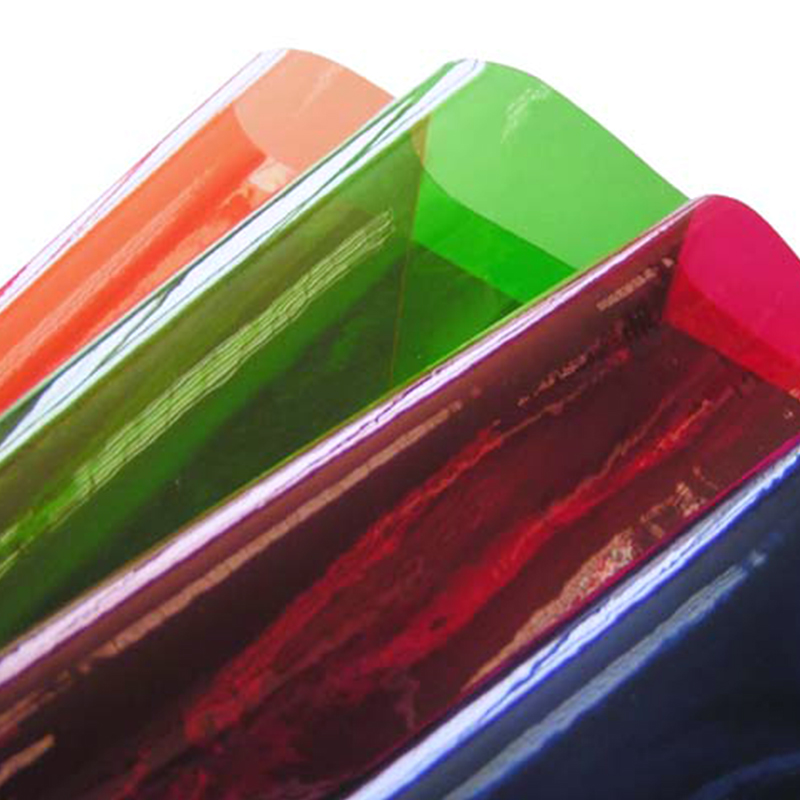
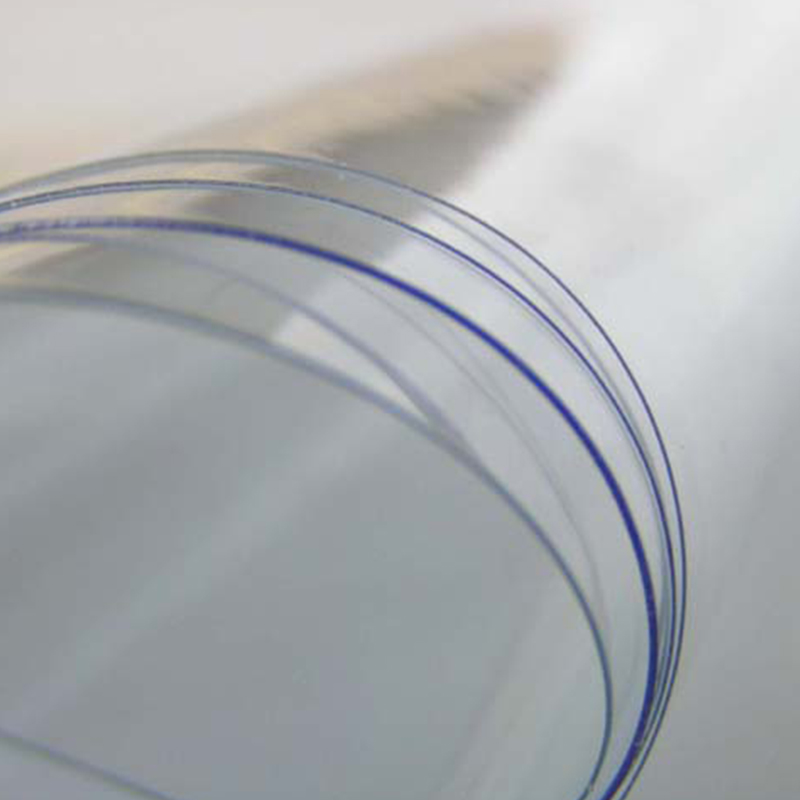 OverviewOur Super Clear PVC Film for tablecloths offers ultra-transparent protection while maintaining a sleek appe...
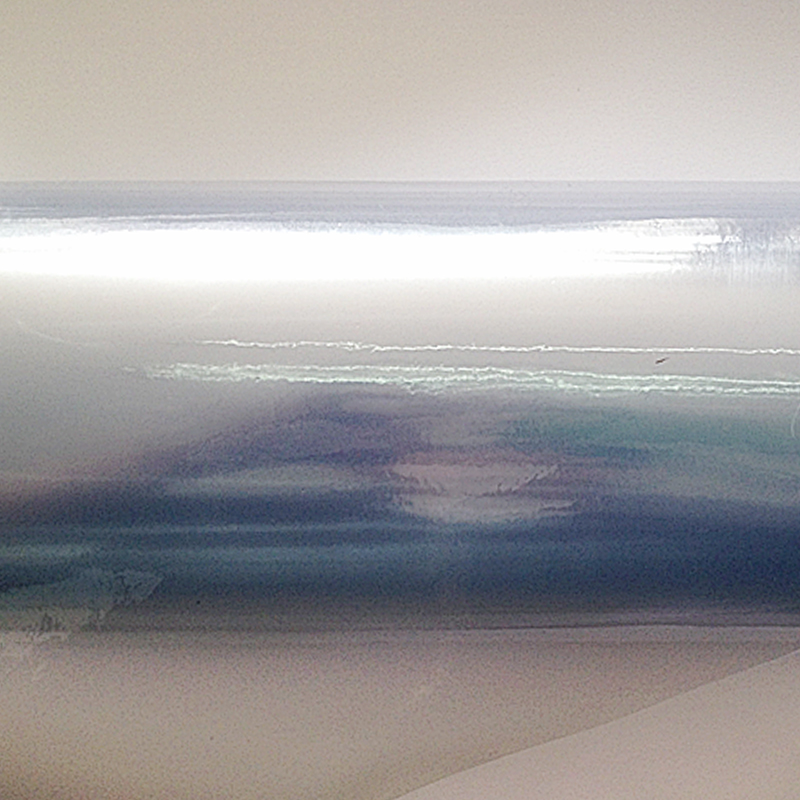 OverviewReliable clear PVC film featuring a powdered, non-sticky surface and slightly lower clarity. Normal Clear P...
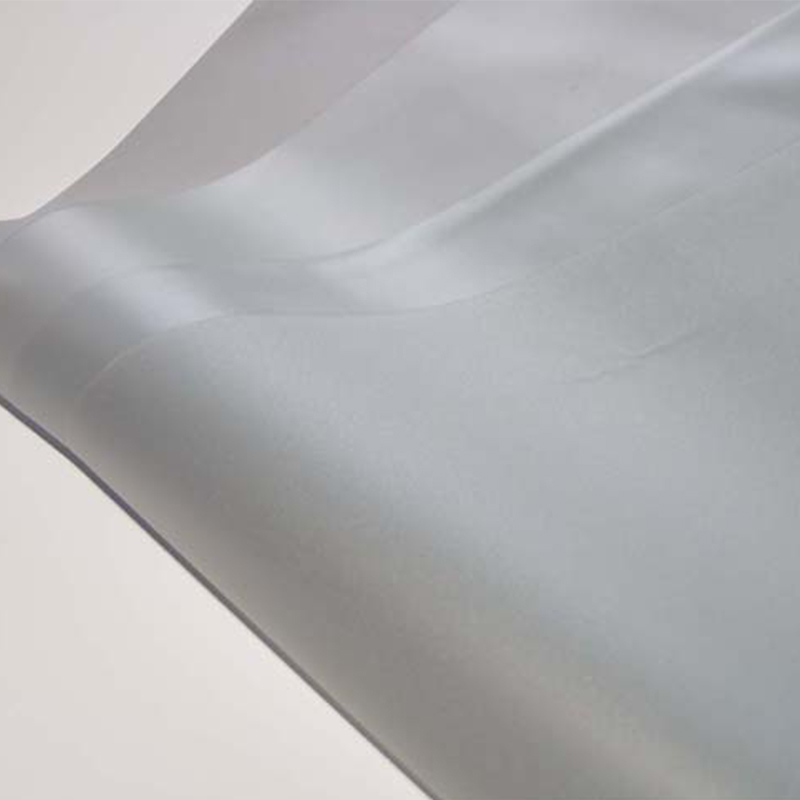 OverviewSemi-transparent PVC film with matte finish, delivering light diffusion and a refined tactile feel. Flexibl...
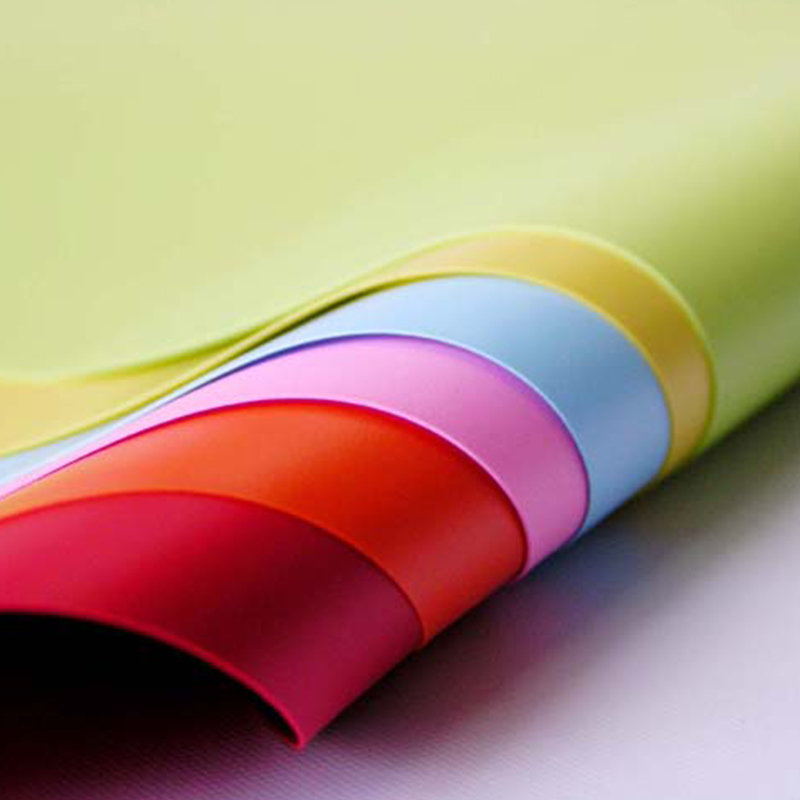 OverviewDecorative yet functional embossed PVC film combining color and surface texture for protective book covers....