Surface protection work often looks simple from a distance, yet actual application behavior depends heavily on the condition of the base surface. A Clear PVC Film Roll reacts differently depending on texture, cleanliness, and environmental contact. In daily work situations, the same film can behave smoothly on one surface and feel unstable on another, even when handling steps remain unchanged.
Surface condition becomes the quiet factor that decides whether film placement feels controlled or slightly unpredictable. In many cases, issues do not come from the film itself, but from how the surface interacts with it during contact and pressure adjustment.
Why Surface Condition Matters In Film Application Work
When a film layer meets a surface, the interaction begins at a microscopic level. Even when the surface appears flat, small variations exist that influence how the Clear PVC Film Roll settles during application. Those variations can affect how air escapes, how edges hold, and how evenly contact spreads.
Clean surfaces usually allow more stable bonding behavior. Dust, residue, or uneven coating changes how the film sits, sometimes creating small air pockets that remain trapped under the layer. Once trapped, those areas can influence overall appearance and long-term stability.
Several surface-related conditions often influence application behavior:
- small texture differences across the same surface
- invisible dust particles affecting contact
- residue from previous handling or coating layers
- uneven surface energy across materials
- slight curvature that changes film alignment
In real working environments, surfaces are rarely uniform. That is why film application often depends more on surface preparation than on film strength alone.
What Is The Basic Working Behavior Of Clear PVC Film Roll
A Clear PVC Film Roll behaves in a flexible way when placed on different surfaces. Instead of staying rigid, it adjusts gradually to the shape and texture underneath. That flexibility allows it to cover flat areas as well as slightly curved sections, although the final result still depends on how carefully contact is controlled during placement.
During application, film responds to pressure and movement. Light pressure allows positioning, while gradual pressing helps reduce trapped air. Once contact is established, the film tends to follow the surface pattern beneath it.
Key behavior characteristics include:
- gradual surface adaptation under light pressure
- flexibility during alignment and repositioning
- smooth transition across flat zones
- sensitivity to trapped air during placement
- stable transparency when surface contact is even
In daily use, the film does not "stick" in a single instant. Instead, it settles gradually, which means surface condition directly affects how stable that settling process becomes.
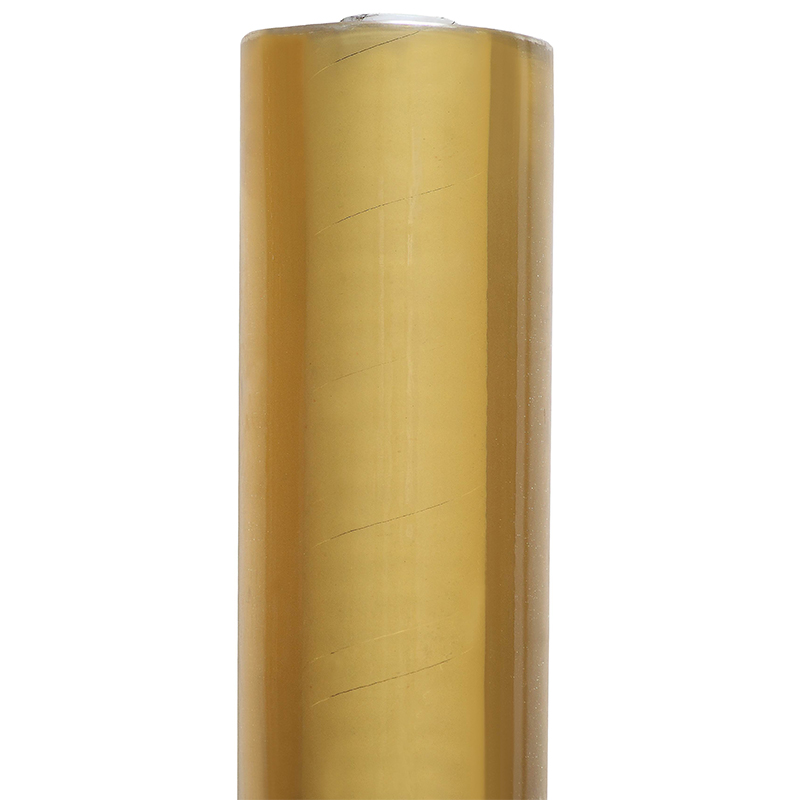
Which Smooth Surfaces Support Stable Film Application
When the base surface is even, contact spreads more uniformly, and air removal becomes easier during application.
In many practical cases, surfaces with low texture variation allow film to settle without major adjustment. Movement during placement becomes more controlled, and alignment stays consistent across larger areas.
Typical smooth surface conditions include:
- flat non-porous materials with even finish
- polished surfaces with low texture variation
- stable coated surfaces without peeling or rough zones
- clean storage panels used for repeated application
- controlled industrial work surfaces with uniform contact
| Surface Condition |
Film Behavior |
| smooth flat surface |
stable adhesion and easy alignment |
| slightly textured surface |
minor air retention in small zones |
| uneven surface |
inconsistent contact across area |
| dusty surface |
weak bonding in scattered points |
| porous surface |
irregular film settling |
On smooth surfaces, film movement during application tends to feel more predictable, especially when pressure is applied gradually instead of in a single step.
How Rough Surfaces Affect Clear PVC Film Roll Performance
Rough surfaces change how a Clear PVC Film Roll behaves during placement. Instead of forming full contact, the film may touch raised points first, leaving small gaps in lower areas. Those gaps often become visible later as air pockets or uneven tension zones.
In many cases, rough texture creates a step-like contact pattern. Some areas hold the film tightly while others remain slightly loose. That imbalance affects overall appearance and stability.
Common effects of rough surfaces include:
- uneven contact between film and base material
- air trapped in recessed areas
- edge lifting in textured zones
- reduced visual clarity across surface
- increased adjustment during placement
Unlike smooth surfaces, rough materials require slower application and more gradual pressure control. Film does not settle evenly on its own, so placement technique becomes more important than material behavior alone.
What Role Does Cleanliness Play In Film Stability
Cleanliness often decides how consistently a Clear PVC Film Roll performs during application. Even small particles on the surface can interrupt direct contact between film and base material.
It creates tiny separation points that prevent full adhesion. Oil or moisture behaves differently, sometimes weakening grip in certain areas while leaving others unchanged.
Surface cleanliness conditions often include:
- fine dust particles affecting contact uniformity
- oil residue creating uneven bonding zones
- moisture altering surface grip behavior
- mixed contamination from handling or storage
- cleaning inconsistency across work areas
When surface cleanliness is stable, film tends to settle more evenly. When contamination is present, application becomes less predictable and requires repeated adjustment.
How Temperature And Humidity Influence Application Results
Environmental conditions also affect how a Clear PVC Film Roll behaves during use. Temperature and humidity can slightly change both film flexibility and surface response, even when the material itself remains unchanged.
Warmer conditions may soften film behavior, making it more flexible during placement. Cooler environments tend to increase stiffness slightly, which can reduce ease of adjustment. Humidity influences surface moisture levels, which in turn affects how film contacts the base layer.
Common environmental influences include:
- warmer conditions increasing film flexibility
- cooler environments reducing material softness
- moisture affecting surface bonding consistency
- airflow changes influencing dust movement
- seasonal variation in daily application behavior
In practical use, environmental stability often supports more predictable results, especially during large surface coverage tasks.
Which Industrial Surfaces Commonly Use Clear PVC Film Roll
In many working environments, a Clear PVC Film Roll is often applied on surfaces that need temporary protection or visual coverage without changing the appearance underneath. The key point is not only surface type, but also how stable that surface remains during handling and storage.
Flat industrial panels are among the more common cases. Once surface condition is stable, film placement becomes more predictable, and visual clarity is easier to maintain. Storage surfaces used for handling goods also tend to show consistent results because contact remains even across wider areas.
Typical usage surfaces include:
- flat packaging and wrapping work surfaces
- storage boards used for temporary covering
- display or labeling zones requiring clear visibility
- smooth protective panels in handling environments
- surfaces exposed to repeated light contact
In these situations, the film does not only act as a cover, it also works as a protective layer against dust and light friction during movement or storage stages.
How Do PVC Film Suppliers Influence Material Quality Stability
Behind every Clear PVC Film Roll, consistency often depends on how raw material and production control are managed by PVC Film Suppliers. Even small differences during manufacturing can affect how the film behaves during application later.
One important factor is uniformity. When thickness stays consistent across the roll, the film tends to stretch and settle in a more predictable way. If variation exists, certain areas may respond differently during placement, especially when pressure is applied unevenly.
Another factor is surface clarity. Film that maintains stable transparency allows better alignment during application, since surface visibility remains unchanged across different angles of view.
Key production-related influences often include:
- consistency in film thickness across roll length
- stability of surface smoothness during production
- control of flexibility during material formation
- clarity retention during storage and handling
- surface tension balance affecting application behavior
| Production Factor |
Effect on Film Use |
| stable thickness |
smoother application behavior |
| uneven thickness |
inconsistent surface contact |
| clear surface control |
better alignment visibility |
| weak production stability |
variable film response |
| balanced material handling |
steady installation process |
In practical environments, these differences become noticeable during application rather than at the production stage itself.
What Application Techniques Improve Film Surface Fit
Even when surface condition and material quality are suitable, application method still shapes final performance of a Clear PVC Film Roll. Placement is usually a gradual process rather than a single step action, especially on larger surfaces.
Film often performs better when contact begins from one side and slowly extends across the surface. That gradual movement helps air escape and reduces uneven tension zones. Once air is trapped, it can remain under the film and affect overall appearance.
Common working techniques include:
- starting contact from one aligned edge
- applying gradual pressure across surface width
- releasing air during progressive placement
- adjusting alignment before full contact forms
- smoothing from center toward outer zones
In many cases, stable application depends more on rhythm than force. When movement is controlled and steady, film settles in a more uniform way, even on surfaces with minor texture variation.
How Is Clear PVC Film Roll Used In Modern Surface Protection Work
Use of Clear PVC Film Roll has gradually shifted toward more flexible surface protection tasks where temporary coverage is needed without altering the original appearance of the material underneath.
Instead of long-term sealing, many applications focus on short to medium duration protection. Surfaces may need to remain visible while still being shielded from dust, handling marks, or light environmental contact. This balance between visibility and protection is often where clear film becomes practical.
In modern usage environments, several trends can be observed:
- increased use on mixed material surfaces
- preference for temporary protective layers
- application across storage and handling stages
- adaptation to irregular surface shapes
- integration into multi-step processing workflows
In daily work conditions, surface protection is rarely a single action. Film application often becomes one step inside a longer handling sequence, where materials move, are stored, and are processed in stages.
Within this flow, interaction between surface condition, environmental stability, and application technique decides how well the Clear PVC Film Roll performs over time.



 English
 русский
 Español
 عربى
عربى

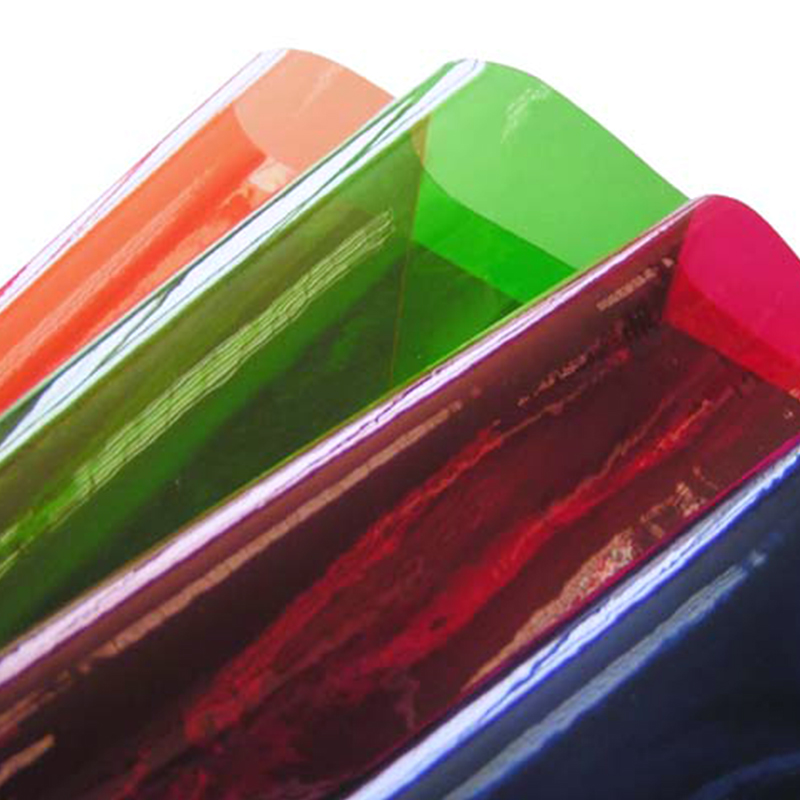
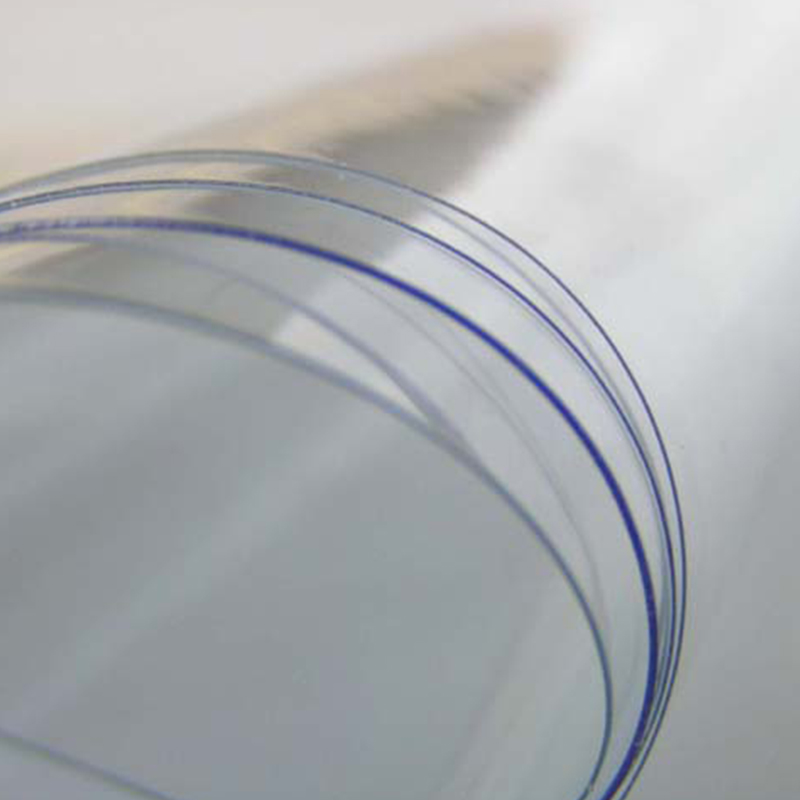 OverviewOur Super Clear PVC Film for tablecloths offers ultra-transparent protection while maintaining a sleek appe...
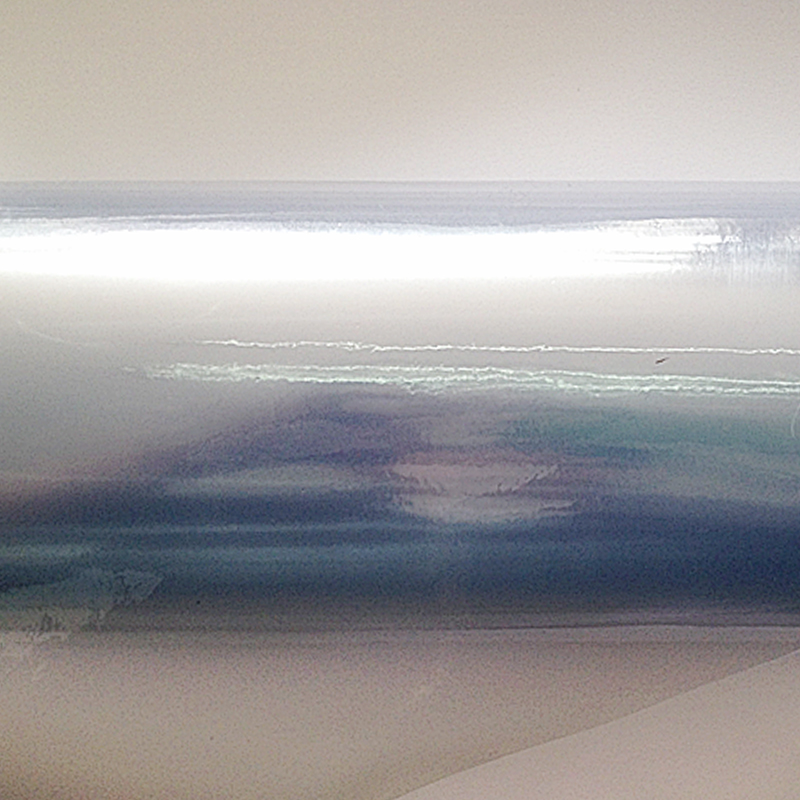 OverviewReliable clear PVC film featuring a powdered, non-sticky surface and slightly lower clarity. Normal Clear P...
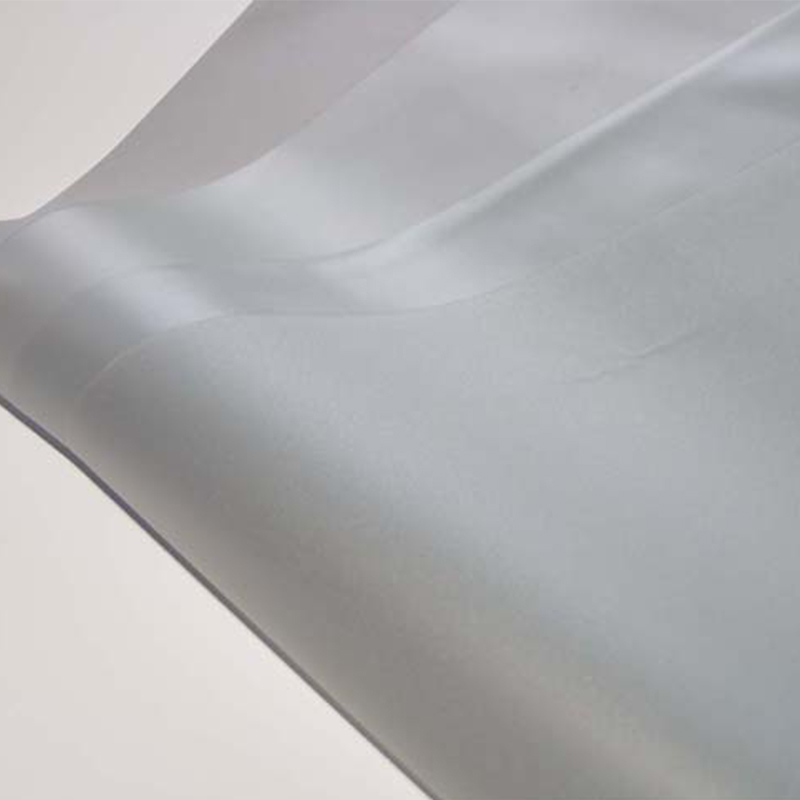 OverviewSemi-transparent PVC film with matte finish, delivering light diffusion and a refined tactile feel. Flexibl...
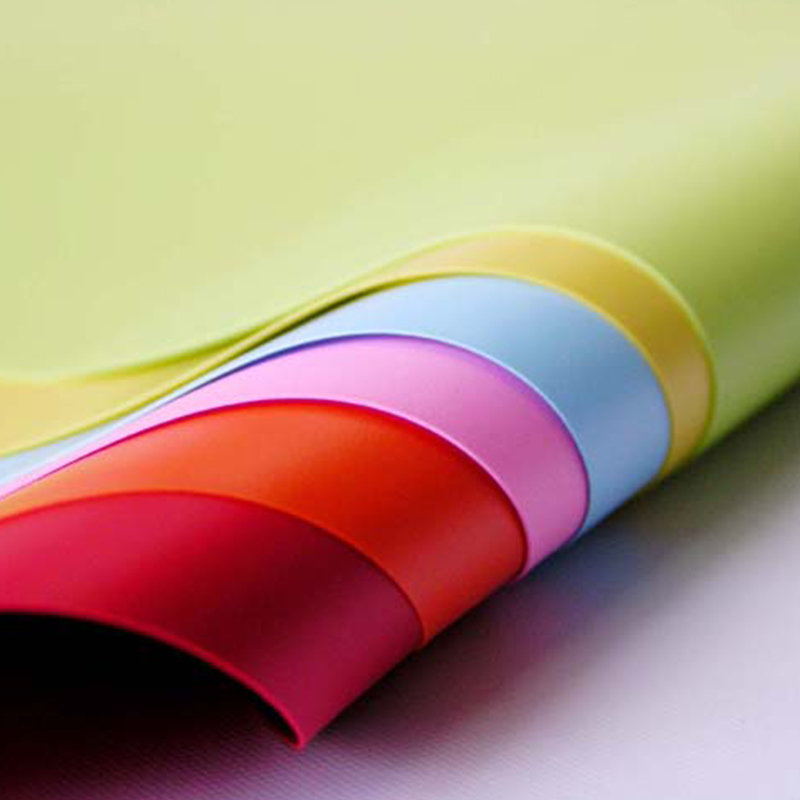 OverviewDecorative yet functional embossed PVC film combining color and surface texture for protective book covers....