Furniture surface finishing usually sits in the later stage of production, where structure already takes shape and appearance begins to matter more. PVC Film For Furniture is commonly placed at that stage as a covering layer, sitting directly on board surfaces or shaped panels. It changes how the surface looks and also how it reacts during daily use.
In many production lines, the film is applied after cutting, shaping, and basic surface adjustment. Once the base is ready, the film becomes part of the outer layer system. It is not just decoration placed on top, it stays attached and works as a protective skin over time.
Different furniture pieces use this kind of film in different ways. Flat boards often receive smooth coverage, while shaped parts need more careful handling around edges and corners. In both cases, the role stays similar: cover the base material and reduce direct exposure.
PVC Soft Film appears in similar working environments, especially when surface shapes are not flat. Its flexible behavior allows it to stay in contact with areas that have curves or uneven lines.
Why Do Furniture Surfaces Need Protection And Decorative Layering
Furniture is not static in use. It stays in contact with hands, objects, and changing environments. Over time, surface condition slowly shifts. Small marks may appear, color tone may change slightly, and edges may show signs of wear.
Without an extra layer, base materials remain exposed to those changes. That is where protection and decoration work together. One part focuses on reducing surface impact, another part focuses on maintaining appearance stability.
Common reasons for adding surface layers include:
- reducing direct contact wear on base boards
- keeping surface appearance more stable over time
- supporting different design styles on the same base material
- limiting visible surface changes from daily use
PVC Film is often used in this stage because it combines surface covering with visual adjustment. It allows the base material to stay hidden while presenting a controlled outer look.
How Does PVC Film Work On Different Furniture Materials
Furniture production does not rely on a single type of base material. Boards, composite panels, and layered structures all appear in different product lines. Each surface reacts differently when a film is applied.
On smoother boards, PVC Film tends to sit evenly, forming close contact across the surface. The bonding process is usually stable when dust and uneven marks are removed beforehand.
On more complex materials, small surface differences may appear. These differences can influence how tightly the film attaches, especially near edges or joints. In such cases, preparation becomes part of the final result.
General behavior across materials:
- flat surfaces allow more uniform contact
- layered boards may show slight bonding variation
- textured surfaces need closer preparation control
Soft Film is often chosen when the surface includes curves or transitions, since it can adjust more easily to shape changes without losing full contact.
What Makes PVC Soft Film Different In Furniture Application
PVC Soft Film is often selected when surface shape is not simple. Its structure allows it to bend and follow furniture outlines without staying rigid. That difference changes how application is handled in real work.
Instead of forcing a straight layer onto a shaped surface, the film adjusts gradually as pressure is applied. It follows edges, wraps around corners, and stays in contact even when direction changes slightly.
Key behavior points include:
- flexible response to curved surfaces
- smoother movement across edge transitions
- reduced surface tension during application
- better adjustment to irregular furniture shapes
During application, the material does not settle all at once. It gradually aligns with the surface under pressure. That gradual response helps reduce gaps or uneven contact areas.
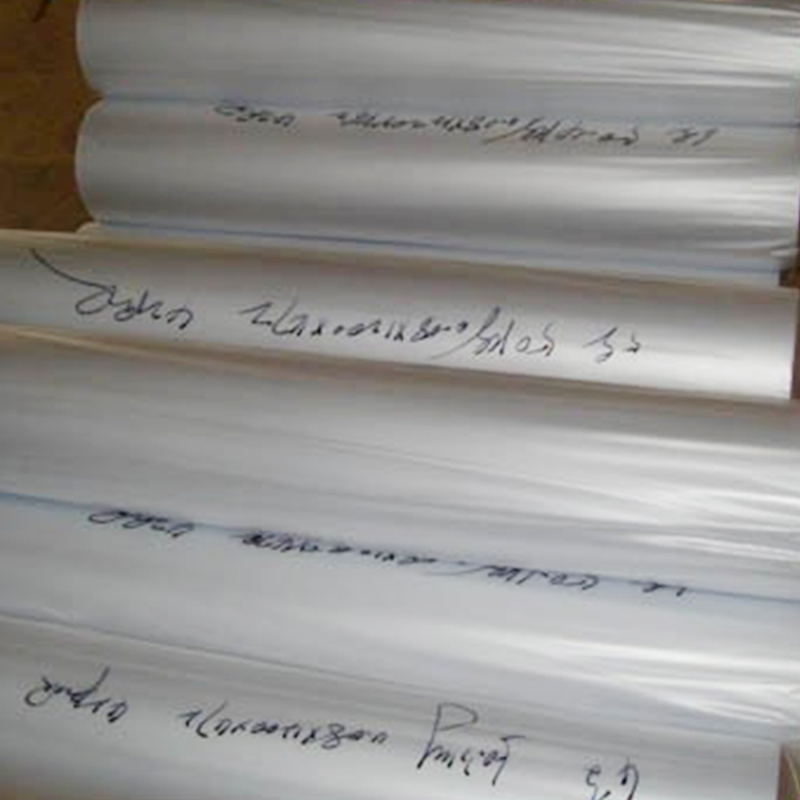
How Is Surface Preparation Important Before Applying PVC Film For Furniture
Surface condition often decides how well PVC Film For Furniture performs after application. Even a small layer of dust or uneven texture can influence bonding behavior.
Preparation usually focuses on creating a stable and clean base:
- removing dust and small particles
- checking surface flatness before application
- reducing uneven spots where possible
- ensuring surface dryness and stability
When the base is clean and stable, the film can sit more evenly. If small defects remain, they may affect how the film attaches, sometimes showing through the outer layer after a period of use.
Soft Film can adjust slightly during bonding, though it still depends on surface quality to maintain long-term stability.
How Is PVC Film Applied In Practical Production Work
Application work follows a controlled sequence, where alignment and pressure play a key role. The process often starts with placing the film on the surface and adjusting its position before full bonding begins.
After alignment, pressure is applied in a steady movement so the film can settle onto the base material. Air pockets are gradually pushed out, and contact becomes more consistent across the surface.
Basic application flow:
- position film on prepared surface
- adjust alignment before bonding
- apply pressure from central area outward
- guide film toward edges and corners
- finish trimming along borders
Each step affects the next one. Small misalignment at the beginning can influence final appearance, so careful placement is often needed.
PVC Film follows similar steps, though curved areas may require slower adjustment so the material can settle without tension.
How Does PVC Film Improve Application On Complex Furniture Shapes
Furniture design today often includes curves, angled lines, and mixed surface directions. These shapes create challenges during surface covering because rigid materials may not follow the structure smoothly.
PVC Film behaves differently in such cases. It adjusts as the surface changes direction, allowing continuous coverage without strong resistance at bends.
Observed advantages in complex shapes:
- smoother coverage on curved areas
- reduced stress at corner transitions
- better surface continuity across angles
- improved adaptation to irregular outlines
Instead of breaking contact at shape changes, the film stays attached and follows the surface path. That helps maintain a more continuous appearance across the furniture piece.
What Problems Can Occur During PVC Film For Furniture Application
Even when preparation and handling are done in a steady way, PVC Film For Furniture application can still meet a few practical issues during production. Most of them are related to surface condition, pressure control, or alignment at the early stage of placement.
One common situation is air staying under the film layer. When pressure is not evenly applied, small air pockets may remain between film and board. Over time, these pockets can influence surface appearance, especially under light reflection.
Another issue appears when alignment shifts slightly during placement. Once the film is attached unevenly, edge correction becomes harder later in the process.
Typical problems include:
- air trapped under surface layer
- uneven bonding in certain areas
- edge lifting after a period of use
- slight misalignment during placement
Edge lifting is often related to surface preparation or insufficient pressure at corners. It does not always appear immediately, which makes it more noticeable later in use conditions.
PVC Film reduces part of these issues when working on curved surfaces, though careful handling is still needed during application stages.
How Do Environmental Conditions Affect PVC Film Performance
Environmental conditions during application and storage can influence how PVC Film For Furniture behaves on surfaces. Temperature, humidity, and handling environment all play a role in bonding stability.
When temperature is too low, film flexibility may reduce slightly, making surface adjustment less smooth. When temperature is higher, the material becomes more responsive, though handling control still matters to avoid stretching.
Humidity can also affect surface bonding. Moist environments may reduce adhesion stability if the base surface is not fully prepared. Dry and clean conditions usually support more consistent results.
Key environmental factors include:
- temperature level during application
- humidity conditions in working space
- storage environment before use
- handling conditions during transport and placement
PVC Film reacts more noticeably to environmental changes because of its flexible structure. That is why storage and application conditions are often kept stable to support consistent results.
Different types of PVC film behave differently depending on structure and flexibility. The choice often depends on furniture shape and surface requirement rather than a single fixed rule.
| Film Type |
Flexibility Level |
Surface Adaptation |
Typical Furniture Use |
| Standard PVC Film |
Medium |
Flat surfaces |
Panels, boards, cabinet faces |
| PVC Soft Film |
High |
Curved and shaped surfaces |
Edges, rounded furniture parts |
| Textured PVC Film |
Medium |
Decorative flat areas |
Visible design surfaces |
Standard film works well on flat boards where surface shape stays simple. PVC Film becomes more useful when furniture includes curves or irregular edges. Textured versions are often used where visual effect is more important.
Each type serves a different role, and in many production setups, more than one type may appear within the same product line depending on design needs.
How Does PVC Film For Furniture Support Modern Furniture Manufacturing Flow
Furniture production today often follows a connected workflow where each stage feeds into the next without interruption. PVC Film For Furniture fits into the surface finishing stage of that flow, where appearance and protection come together.
Once base materials are shaped and prepared, film application becomes part of the finishing sequence. After bonding and trimming, pieces move forward toward assembly or packaging stages.
Its role in the workflow includes:
- supporting steady surface finishing steps
- reducing manual surface painting needs in some cases
- improving consistency across repeated production batches
- adapting to different design patterns within same production line
PVC Soft Film adds flexibility to this system, especially when product design includes varied shapes. Instead of changing the whole process, adjustments are often made through film selection and application method.
How Does Storage And Handling Influence PVC Film Quality
Before application begins, storage conditions already affect how PVC Film performs later. Even without visible changes, material behavior can shift depending on how it is stored.
If film is stored under pressure for a long time, slight deformation may occur. That can influence how evenly it spreads during application. Exposure to unstable environments may also affect flexibility over time.
Handling during transport and movement inside production areas also matters. Rough handling may cause surface marks or tension changes that affect bonding.
Important handling factors include:
- storage pressure and stacking condition
- protection from direct environmental exposure
- careful movement during transport
- stable placement before use
PVC Film requires similar attention, since its flexible structure responds more easily to external conditions.
Role Of PVC Film In Surface Design Direction
PVC Film For Furniture is often used not only for protection but also for shaping surface appearance. Furniture design depends heavily on surface tone, texture, and visual continuity across different parts.
Film allows different visual effects to be applied on similar base materials. That makes it easier to adjust design style without changing core structure. In many production environments, surface design choices are made through film selection rather than material replacement.
Common design uses include:
- creating consistent surface appearance across product sets
- adjusting color tone without changing base board
- adding texture variation for visual depth
- matching surface style with interior design direction
PVC Soft Film supports design work on complex shapes, where visual continuity must stay stable across curves and edges.
How Application Technique Influences Final Surface Result
Application technique plays a strong role in final surface condition. Even when material quality stays consistent, different handling methods can help to different results.
Pressure distribution, alignment control, and edge finishing all influence how PVC Film For Furniture appears after installation. Slow and steady movement often helps reduce surface defects, while uneven pressure may create visible marks.
Important technique points include:
- controlled pressure from center to edges
- gradual adjustment during alignment
- careful handling of corners and transitions
- consistent trimming along borders
PVC Film gives more tolerance during application, though final appearance still depends on handling quality and surface preparation.
Across furniture production work, PVC Film continues to serve as a surface layer that connects protection and decoration in a single step. It works with different base materials, adjusts to design requirements, and supports steady production flow.
PVC Soft Film adds another layer of flexibility when furniture shapes become more complex. Together, both materials support a wide range of surface finishing needs without changing the core structure of furniture manufacturing.



 English
 русский
 Español
 عربى
عربى

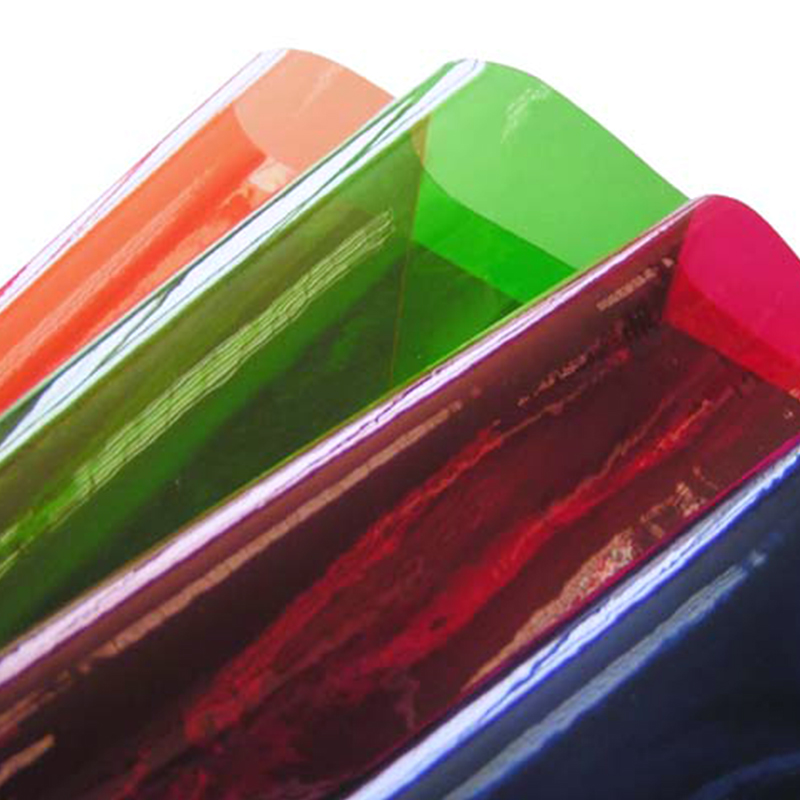
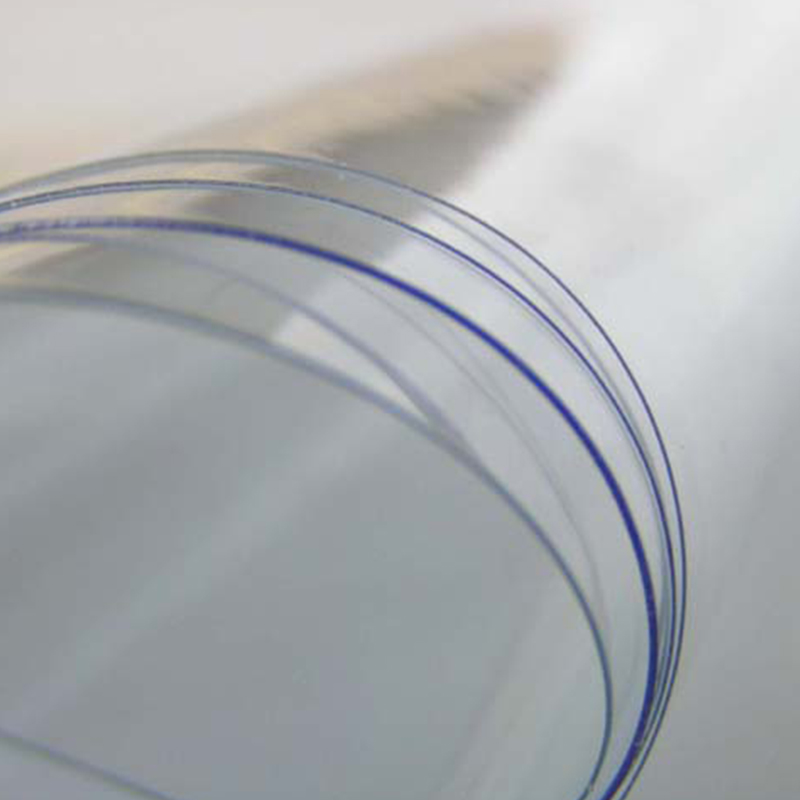 OverviewOur Super Clear PVC Film for tablecloths offers ultra-transparent protection while maintaining a sleek appe...
 OverviewReliable clear PVC film featuring a powdered, non-sticky surface and slightly lower clarity. Normal Clear P...
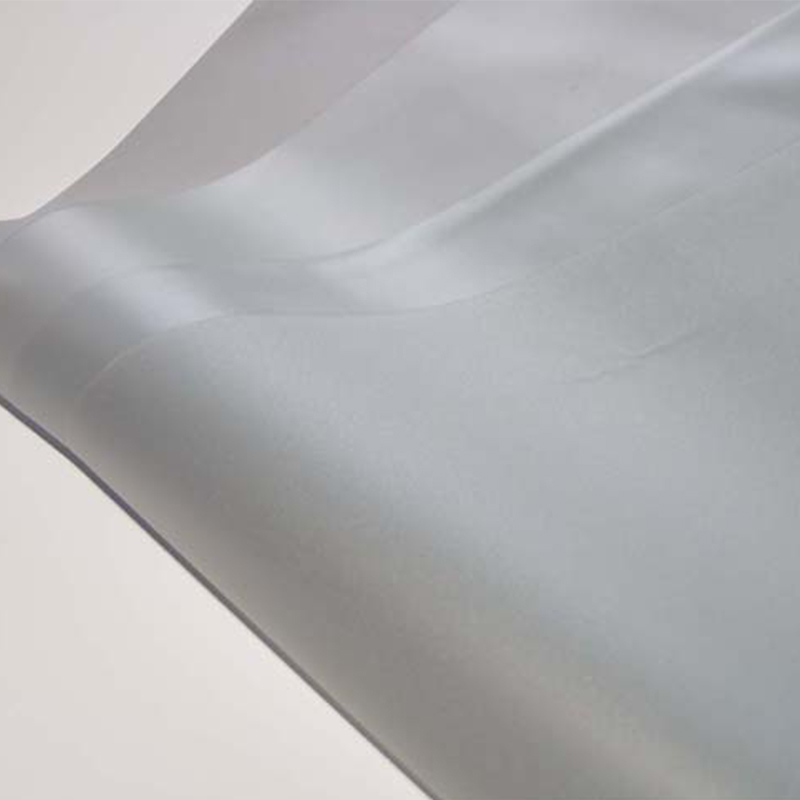 OverviewSemi-transparent PVC film with matte finish, delivering light diffusion and a refined tactile feel. Flexibl...
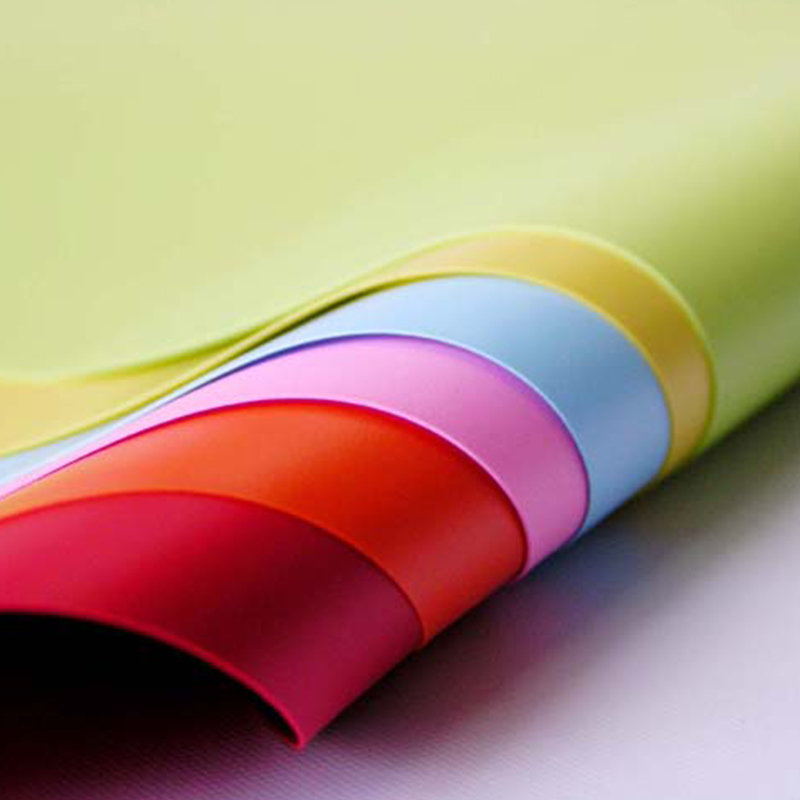 OverviewDecorative yet functional embossed PVC film combining color and surface texture for protective book covers....