Furniture manufacturing has changed over the years. Solid wood construction has given way to engineered panels and composite materials. The surfaces of these materials need protection. They also need aesthetic treatment. PVC film serves both purposes.
The film provides a decorative layer. The film provides protection against wear. The film provides resistance to moisture and staining. The furniture lasts longer with the film. The appearance improves with the film.
The application of PVC Film For Furniture happens during the manufacturing process. The film gets bonded to the panel surface. The film covers the panel completely. The panel becomes the finished component. The panel is ready for assembly into furniture.
PVC film offers advantages over other finishing methods. The film provides a consistent appearance. The film offers color options. The film provides durability. PVC Film Suppliers offer a range of films for furniture applications.
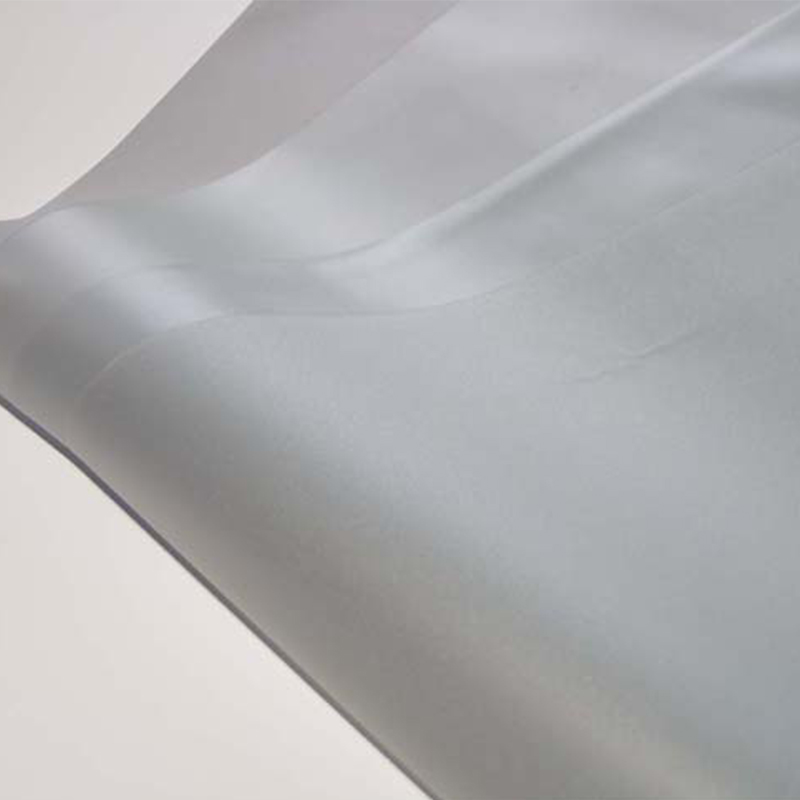
What Types of PVC Film Are Available for Furniture Surfaces
PVC film comes in different types for different applications. The film type should match the application method. The film type should match the substrate. The film type should match the performance requirements.
Soft PVC film remains flexible after application. The film follows contours easily. The film works well for wrapped surfaces. The film suits curved furniture shapes. The film provides a soft feel.
Semi-rigid PVC film holds its shape. The film is used for flat panel surfaces. The film provides a harder surface. The film resists scratches and impacts. The film works well for tabletops and panels.
Vacuum forming film is designed for the vacuum press process. The film stretches under heat and vacuum. The film conforms to three-dimensional shapes. The film is used for complex furniture components. A PVC Film For Furniture with vacuum forming capability suits many applications.
Self-adhesive films are used for renovation. The film has adhesive backing. The film applies without heat or specialized equipment. The film allows for DIY furniture updates. The film is used for furniture refinishing.
| Film Type |
Flexibility |
Application Method |
Common Uses |
| Soft PVC |
High |
Vacuum forming, profile wrapping |
Curved furniture |
| Semi-rigid |
Low |
Flat lamination |
Tabletops, panels |
| Vacuum forming |
Medium |
Vacuum press |
Three-dimensional shapes |
| Self-adhesive |
Medium |
Hand application |
DIY projects |
| Rigid |
None |
Edge banding |
Cabinet doors |
How Does Vacuum Press Application Work for PVC Film
The vacuum press process applies film to panel surfaces. The process begins with the panel placed in the vacuum press. The film sits over the panel. The press closes and heats the film. The heat activates the adhesive on the film backing.
The vacuum draws the film down onto the panel. The vacuum removes air between the film and panel. The film conforms to the panel surface. The film bonds to the panel. The panel becomes covered.
The temperature must be controlled carefully. Too little heat and the adhesive does not activate. Too much heat and the film may stretch or distort. The temperature varies with the film type. PVC Film Suppliers provide temperature guidelines for their films.
The vacuum level affects the film contact. Full vacuum ensures complete contact. Partial vacuum may leave bubbles or voids. The vacuum system should be maintained properly. The vacuum ensures proper bonding of PVC Film For Furniture.
What Surface Preparation Steps Ensure Safe PVC Film Application
Preparation begins with a clean surface. The substrate must be free of dust and oil. Any contamination affects adhesion. The cleaning method depends on the substrate type. The surface must be properly prepared.
The surface should be smooth. Rough surfaces show through the film. The film follows the substrate contour. A smooth surface provides a smooth finish. The surface may need sanding or filling.
Primer may be required for some substrates. The primer improves adhesion. The primer is applied before the film. The primer dries before film application. PVC Film Suppliers can advise on primer requirements.
The moisture content should be checked. High moisture can cause adhesion problems. The substrate should be at proper moisture content. The moisture should be balanced with the environment. Moisture control supports consistent PVC Film For Furniture application.
How Does Profile Wrapping Work for Curved or Shaped Surfaces
Profile wrapping applies film to contoured surfaces. The film follows the shape of the substrate. The film wraps around corners and curves. The film covers the entire surface.
The process uses heat to soften the film. The softened film becomes flexible. The film stretches to follow the contour. The heat sets the film in place. The film conforms to the shape.
The film thickness affects the wrapping success. Thinner films wrap more easily. Thicker films may not follow tight curves. The film must be flexible enough for the shape. A PVC Film For Furniture with appropriate flexibility wraps curved profiles.
The wrapping equipment must be set up correctly. The tension must be adjusted for the film type. The temperature must be correct for the film. The equipment must be maintained. Proper setup ensures consistent wrapping.
What Safety Considerations Apply to PVC Film Application
Working with PVC film involves certain safety aspects. The film and adhesives require careful handling. The application process involves heat and equipment. The operator should follow safety practices.
The temperature during application affects both film and operator. The film needs heat to activate the adhesive. The heat should be controlled. Excessive heat can damage the film. The operator should avoid overheating.
Ventilation matters during film application. The adhesives may release vapors. The vapors should be removed from the work area. The ventilation system should be adequate. Good airflow protects the operator.
The equipment used for application requires attention. The vacuum press and wrapping machines have moving parts. The operator should follow equipment safety guidelines. The equipment should be maintained properly. A safe work environment supports quality PVC Film For Furniture application.
How Do Different Substrate Materials Affect Film Application
Different substrates behave differently with PVC film. The substrate type affects adhesion. The substrate affects the application method. The substrate affects the final appearance.
Wood and MDF are common furniture substrates. These materials absorb moisture. The moisture affects adhesive bonding. The substrate should be at proper moisture content. A PVC Film For Furniture bonds well to properly prepared wood.
Metal surfaces are used in some furniture. The metal requires different preparation. The surface must be clean and oil-free. Primer may be needed for adhesion. The film bonds differently to metal than to wood.
Plastic and composite substrates are increasingly common. These materials vary in composition. Some plastics bond easily. Others require special treatment. The film should be selected for the substrate.
What Role Do PVC Film Suppliers Play in Application Success
The supplier provides more than film. The supplier provides quality material. The supplier provides technical support. The supplier helps with application challenges.
Film quality affects application results. Consistent thickness is important. Consistent color is important. A PVC Film Suppliers offer consistent quality. The consistent quality supports reliable application.
Technical support helps with problems. The supplier advises on application methods. The supplier recommends film types. The supplier helps with troubleshooting. The support helps furniture manufacturers apply a PVC Film For Furniture successfully.
Testing is part of the supplier's role. The film should be tested on actual substrates. The testing confirms performance. The testing identifies issues. The supplier may provide test samples.
What Quality Control Measures Apply to PVC Film Application
Quality control ensures consistent results. The applied film should be inspected. The inspection catches problems early. The problems can be corrected.
Visual inspection checks the film surface. The inspector looks for bubbles, wrinkles, and scratches. The surface should be uniform. The color should be consistent. The appearance should meet the standard.
Adhesion testing confirms bond strength. The test checks if the film stays attached. The test may involve a peel test. The test confirms proper application. Good adhesion is necessary for a PVC Film For Furniture.
Dimensional stability affects film performance. The film should not shrink or expand after application. The film should maintain its dimensions. The stability should be checked. Dimensional stability supports long-term performance.
What Factors Guide the Selection of PVC Film for Furniture Applications
Selecting the right film involves several factors. The furniture type affects the selection. The use environment affects the selection. The application method affects the selection.
The furniture type determines performance requirements. Kitchen cabinets need moisture resistance. Office furniture needs wear resistance. The film should match the furniture use. A PVC Film For Furniture should suit the specific furniture.
The substrate affects film selection. The film must bond to the substrate. The film must handle the substrate properties. The selection should consider the substrate. PVC Film Suppliers help with substrate compatibility.
The application method affects film selection. Vacuum forming requires different film than profile wrapping. The film must handle the process. The film must produce good results. The selection should match the application method.
| Selection Factor |
What to Consider |
Why It Matters |
| Furniture type |
Use environment |
Affects durability needs |
| Substrate material |
Preparation requirements |
Affects adhesion |
| Application method |
Process availability |
Affects film type |
| Desired finish |
Color and texture |
Affects appearance |
| Budget |
Cost constraints |
Affects film choice |



 English
 русский
 Español
 عربى
عربى

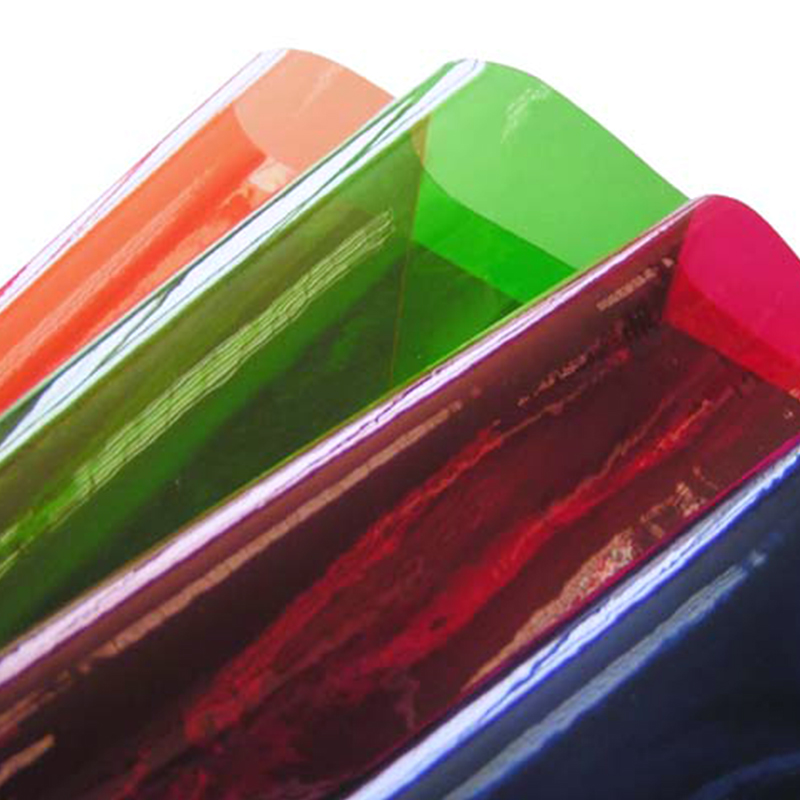
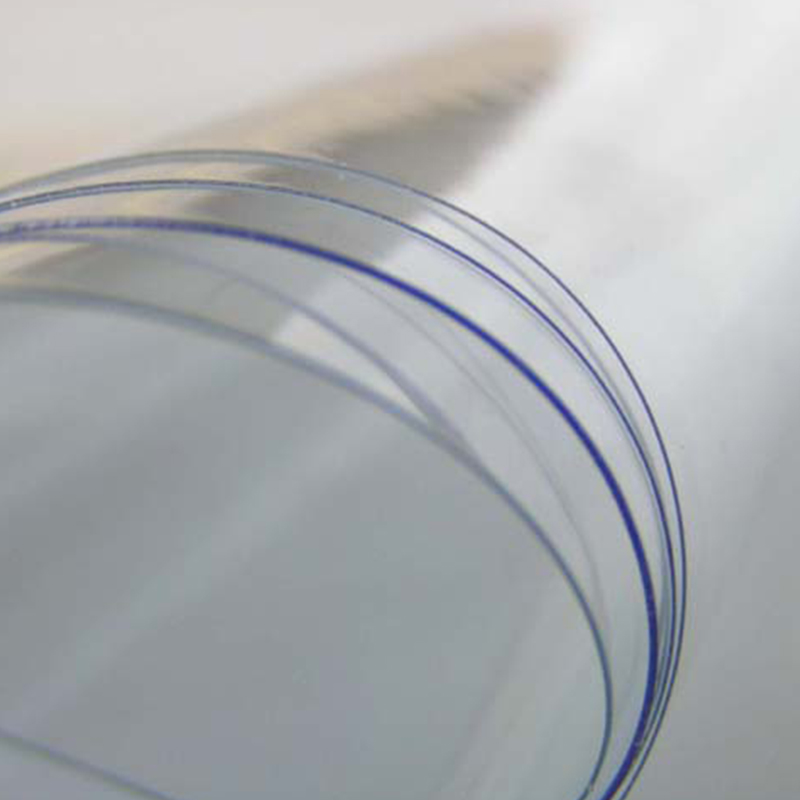 OverviewOur Super Clear PVC Film for tablecloths offers ultra-transparent protection while maintaining a sleek appe...
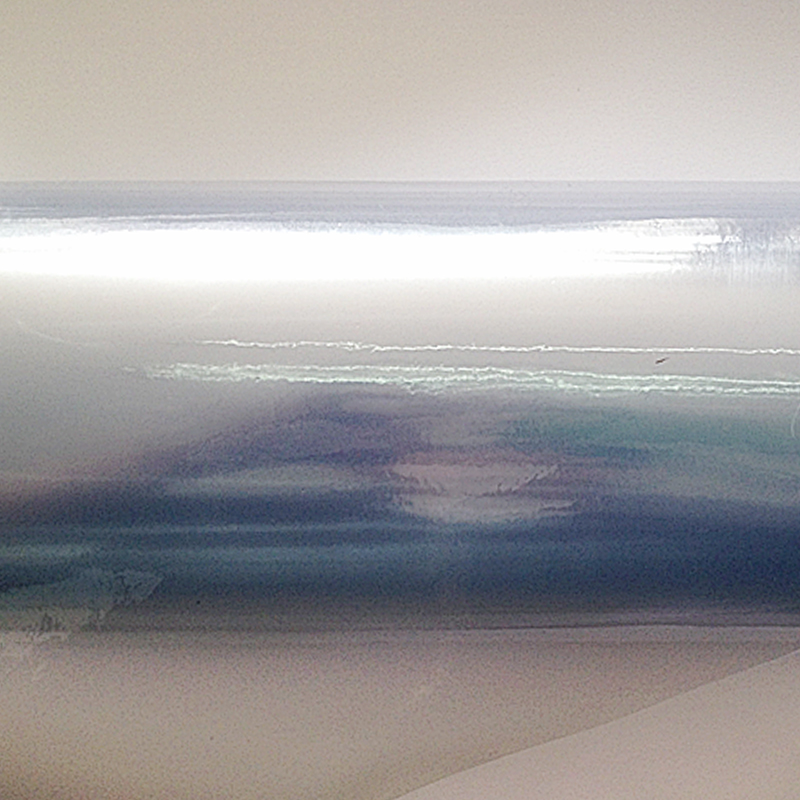 OverviewReliable clear PVC film featuring a powdered, non-sticky surface and slightly lower clarity. Normal Clear P...
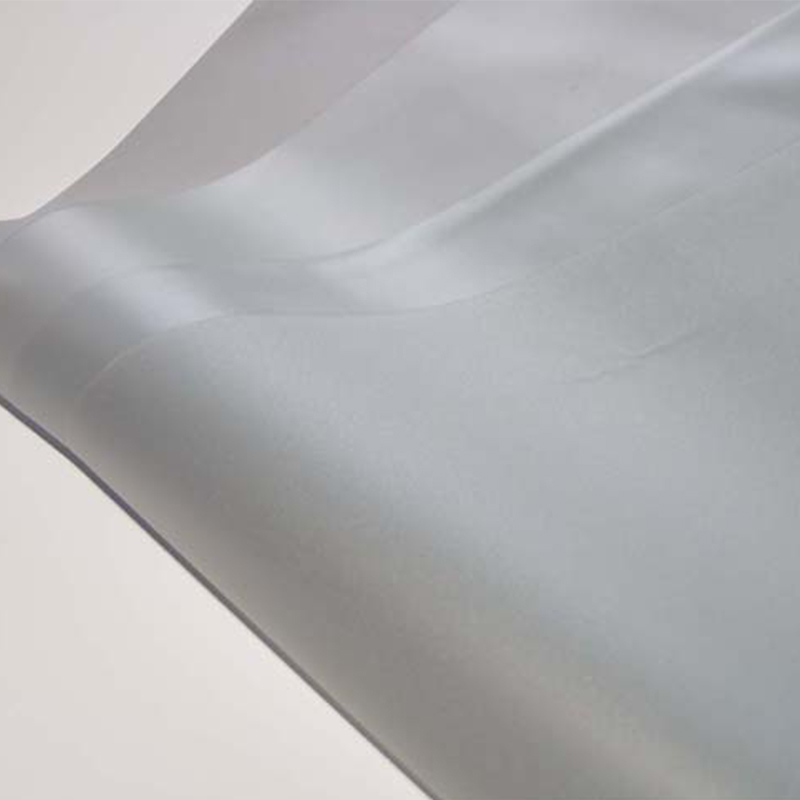 OverviewSemi-transparent PVC film with matte finish, delivering light diffusion and a refined tactile feel. Flexibl...
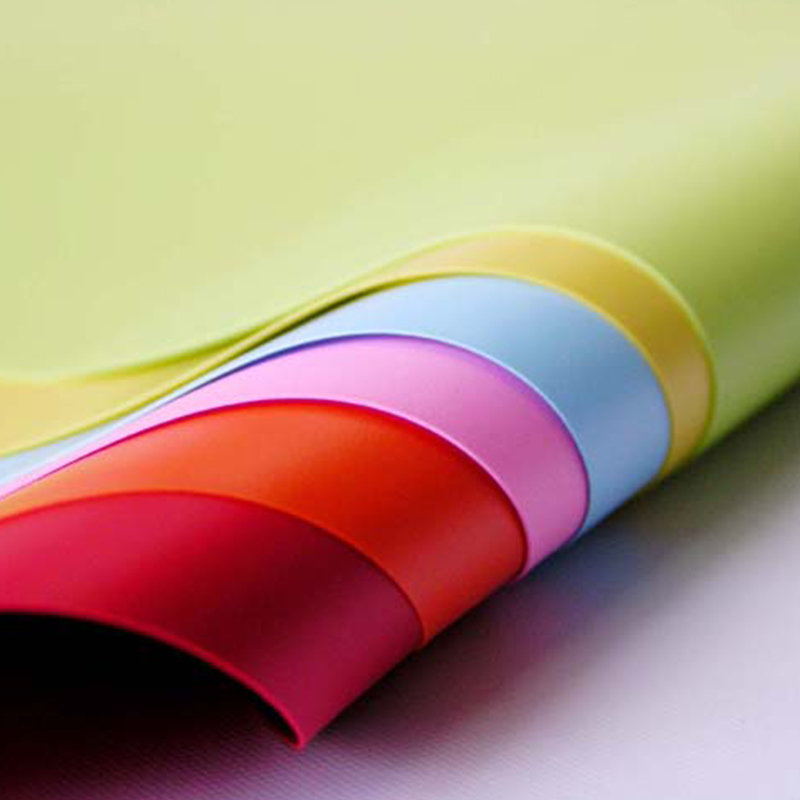 OverviewDecorative yet functional embossed PVC film combining color and surface texture for protective book covers....