Material sourcing in daily production is often less about theory and more about timing. In many workshops, packaging lines do not pause easily once they start running. Boxes move through sealing stations, wrapping stations, and stacking areas in a continuous rhythm. Any delay in material arrival can slow down the entire flow.
In practice, sourcing decisions are usually shaped by what happens on the floor rather than what is written in planning documents. When storage space is tight and production runs across different shifts, small repeated purchases often create extra handling work. Boxes of material come in, get checked, moved, stored again, then picked up later for use. Each step adds time.
A bulk sourcing approach, often connected with PVC Film Wholesale, fits more naturally into this rhythm. Material arrives in larger portions, placed into storage once, then used gradually as production continues. Less interruption appears between procurement and usage.
Typical situations that push teams toward bulk supply include:
- Packaging lines running across long operating hours
- Storage areas needing organized space usage
- Machines requiring steady feeding without frequent stops
- Work teams rotating between shifts with shared material access
In such conditions, material flow becomes part of production rhythm instead of a separate task.
Why Bulk Film Supply Works in Everyday Packaging Tasks
Packaging work repeats the same movements many times. Film is pulled, wrapped, sealed, and cut in cycles that stay consistent across long periods. When material supply remains stable, attention shifts toward machine control rather than supply checking.
Bulk supply reduces repeated unloading. Instead of receiving many small batches, warehouse handling becomes more structured. One delivery supports longer operation time, which helps reduce interruptions during busy production periods.
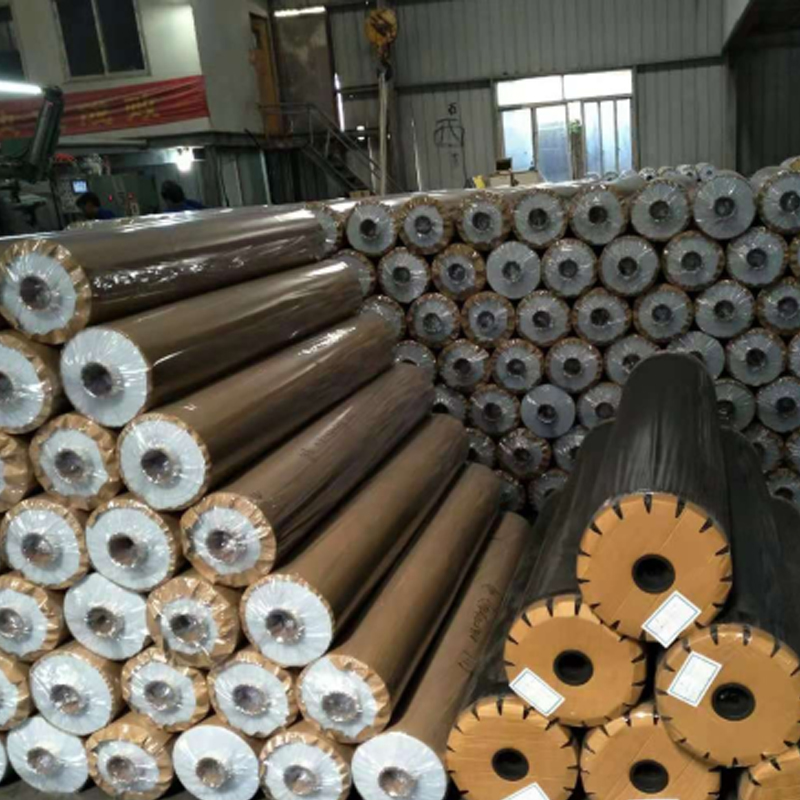
In many packaging stations, PVC Packaging Film Roll is placed directly onto machines. The roll feeds material continuously while wrapping and sealing processes continue. When material comes in steady batches, machine setup does not need frequent changes.
| Supply Pattern |
What Happens in Daily Work |
| Small frequent delivery |
Repeated unloading and storage movement |
| Large batch delivery |
Longer stable usage period |
| Mixed delivery pattern |
Occasional adjustment in workflow |
In real use, bulk supply also reduces small decisions during production, since material is already available on site for longer cycles.
How Material Behavior Shows During Actual Use
Film material behaves differently once it enters machine systems. On paper, properties may look stable, yet real use reveals how it reacts under tension, movement, and continuous feeding.
During wrapping, film needs to stretch evenly across surfaces. If resistance changes suddenly, machine tension may also shift. That shift can affect how smoothly sealing or wrapping continues. Stable material movement helps keep machine rhythm steady.
In many production environments, PVC-based film is used for:
- Wrapping cartons before storage
- Covering products during internal transport
- Protecting surfaces during handling stages
- Group packaging before shipment preparation
Each application depends on how smoothly material moves through machines rather than how it appears in storage.
When feeding remains consistent, operators spend less time adjusting settings and more time maintaining flow between packaging stages.
Why Film Roll Handling Affects Work Efficiency
Material handling often decides how smooth production feels day to day. Rolls of film move between storage racks and machines several times during operation cycles. If storage is not organized, retrieval takes longer and interrupts workflow rhythm.
Roll condition also changes over time. If stacking pressure is uneven, slight deformation may appear. That can affect how film unwinds during use. In machine feeding systems, even small resistance changes may become noticeable.
Storage environment also matters. Humidity can influence flexibility. Temperature shifts may change how material responds during unwinding. These changes are not always visible at first, but they appear during repeated machine use.
Common handling issues in real settings include:
- Slow identification of stored rolls
- Uneven stacking in warehouse corners
- Feeding variation during machine setup
- Minor deformation from long storage periods
To reduce these effects, many facilities organize material storage near usage points, shortening movement distance between warehouse and machine area.
Why Consistency Matters in Continuous Packaging Work
Packaging lines often run in a quiet rhythm that is easy to overlook from outside, yet inside a plant every small change in material behavior can affect how smooth the day feels. Film that feeds evenly through a machine helps sealing stay steady, keeps wrapping movement predictable, and reduces the need for small corrections that interrupt workflow. Once a batch starts behaving differently, operators usually notice it during longer runs rather than at the beginning, since small changes in tension, stretch, or surface feel become clearer after repeated use.
Material consistency matters because packaging work rarely happens in isolated steps. One roll feeds the next section, then another section, then another, so a small variation in thickness or surface response can travel through the whole line. A machine may pull a little harder, a sealing edge may need a slight adjustment, or the cutting point may stop feeling as clean as before. None of these changes always appear dramatic on their own, though together they can slow the line enough to make the shift noticeable.
That is one reason many facilities keep a close eye on incoming material batches. When supply stays stable, the line stays calmer. When film changes too much between batches, operators spend more time checking machine settings than keeping the flow moving. In daily use, that difference often matters more than any specification sheet.
| Material Condition |
What Operators Notice |
Effect on Packaging Work |
| Stable feeding |
Smooth pull and even wrap |
Less interruption during run |
| Slight variation |
Small tension change |
Occasional adjustment needed |
| Irregular surface feel |
Uneven sealing or wrapping |
More manual correction |
| Good batch consistency |
Predictable machine rhythm |
Easier shift-to-shift use |
In many plant environments, PVC Packaging Film Roll is selected partly for this kind of steady behavior. When the roll feeds in a predictable way, the rest of the line can stay closer to normal operating rhythm without constant attention.
How Equipment Interaction Shapes Material Selection
Film choice never happens in isolation. Every wrapping machine, sealing unit, and cutting section places its own demand on the material. Some systems pull steadily, some work faster, and some create more pressure at the sealing stage. A film that behaves well in one machine may feel less stable in another, which is why material selection often starts with how the equipment actually moves.
Rollers need material that slides through without abrupt resistance. If the film grips too tightly, machine rhythm changes. If it is too loose, feeding can lose control. Cutting sections care about edge behavior, since material that stretches too unevenly can leave rougher cuts or require repeated passes. Sealing areas depend on how the film responds under pressure and heat, because unstable movement may affect how clean the finish looks.
Production teams usually look at a few practical points before settling on a material:
- How smoothly the roll feeds through the line
- Whether the film keeps a steady shape during movement
- How the material reacts near sealing and cutting areas
- Whether the machine needs frequent readjustment during use
These details sound small, although they often decide whether a packaging line feels easy to manage or slightly tiring by the end of the shift. A material that moves well with the equipment lowers small daily frustrations that build up over time.
When people talk about PVC Film Wholesale, the discussion often turns toward batch supply. That part matters, yet the better question is how the film works once it reaches the machine. In plant use, supply and equipment behavior are tied together. One supports the other, and the match between them usually decides how practical the material feels on site.
Why Long Term Planning Shapes Material Decisions
Material choice in packaging does not usually depend on one day of work. It connects to storage space, expected production rhythm, order timing, and the amount of material likely to move through the line during a normal cycle. A plant that runs with steady output may prefer a more organized intake pattern, while a site with changing demand may need a supply plan that leaves room for adjustment.
Warehouse space often becomes part of the decision more quickly than people expect. Large batches can help reduce repeated deliveries, yet they also need clear storage paths, safe stacking, and room for rotation. If the storage area is tight, even good material can become difficult to manage. Rolls may move slowly from storage to line, or staff may spend more time searching for the right batch than they would like.
Planning usually includes questions such as:
- How much space is available for incoming rolls
- How often the production line will actually need fresh supply
- How close storage should be to the wrapping area
- How material should be rotated so older stock is used in order
In real operations, long-term planning is not about making the system complicated. It is about avoiding small bottlenecks that appear when material arrives without a clear path into production. Once that path is organized, procurement becomes easier to handle and the line stays more stable.
Why Daily Handling Still Matters After Purchase
Even when material choice is already settled, handling still shapes performance. Rolls move from unloading areas to storage, then from storage to machines, and each move creates a small chance for pressure marks, edge damage, or shape change. None of these issues need to be severe before they affect feeding quality.
Storage conditions also deserve attention. Film kept in damp or poorly ventilated areas may change slightly in feel, which can influence machine feeding later. Heat and humidity do not always show an immediate effect, though over time they can alter how material unwinds. That is why many facilities keep film in a controlled storage area rather than in an open corner near loading space.
Practical handling habits often include:
- Keeping rolls upright or properly supported
- Avoiding heavy pressure during storage
- Moving rolls with care during unloading
- Placing material away from moisture and excess heat
A small amount of attention at this stage often saves time later at the machine.
How Sustainability Thinking Fits Into Material Sourcing
Sourcing decisions now tend to include more than supply and price. Many production teams also look at how material is stored, moved, and used across the packaging cycle. Bulk supply can reduce repeat transport steps, and stable roll behavior can lower waste caused by misfeeds or repeated machine setup.
In a packaging environment, waste often appears in quiet ways. A roll that feeds unevenly can create extra scrap. A batch that arrives in poor condition may require more handling than planned. A storage area that is too disorganized may help to expired or damaged stock sitting unused for longer than it should. Small improvements in planning often reduce those hidden losses.
Sustainability in this context is not about dramatic change. It is more about keeping the system clean, organized, and predictable so material is used with less waste and less movement than before.
How PVC Film Wholesale Fits Industrial Supply Patterns
For many industries, the appeal of bulk sourcing lies in simple control. It makes procurement easier to plan, gives production teams more room to organize storage, and supports machine use that depends on consistent feeding. When the supply pattern matches the production rhythm, material stops being a daily concern and becomes part of the background structure of the line.
PVC materials continue to appear in packaging operations because they work with a wide range of handling and wrapping situations. In wholesale form, the film can support longer production cycles, fewer order interruptions, and more stable warehouse planning. That combination explains why many plant managers still treat material sourcing as a workflow issue, not only a purchasing choice.
When packaging work stays steady, the value of that stability becomes easy to see. The line runs with fewer interruptions, storage remains more organized, and operators spend less time correcting small supply problems. In daily industrial work, that kind of quiet consistency often matters more than anything else.



 English
 русский
 Español
 عربى
عربى

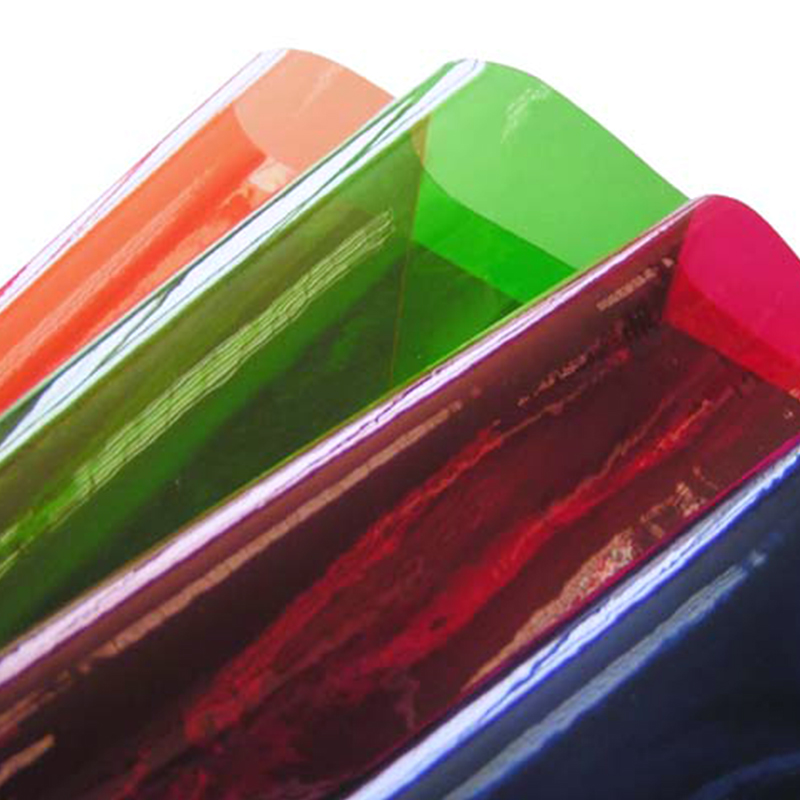
 OverviewOur Super Clear PVC Film for tablecloths offers ultra-transparent protection while maintaining a sleek appe...
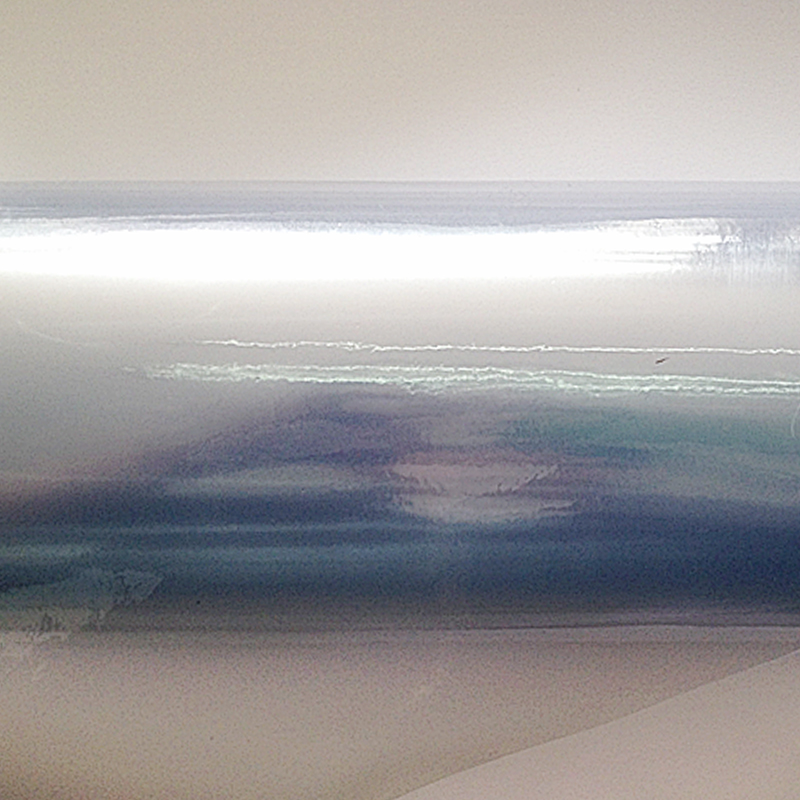 OverviewReliable clear PVC film featuring a powdered, non-sticky surface and slightly lower clarity. Normal Clear P...
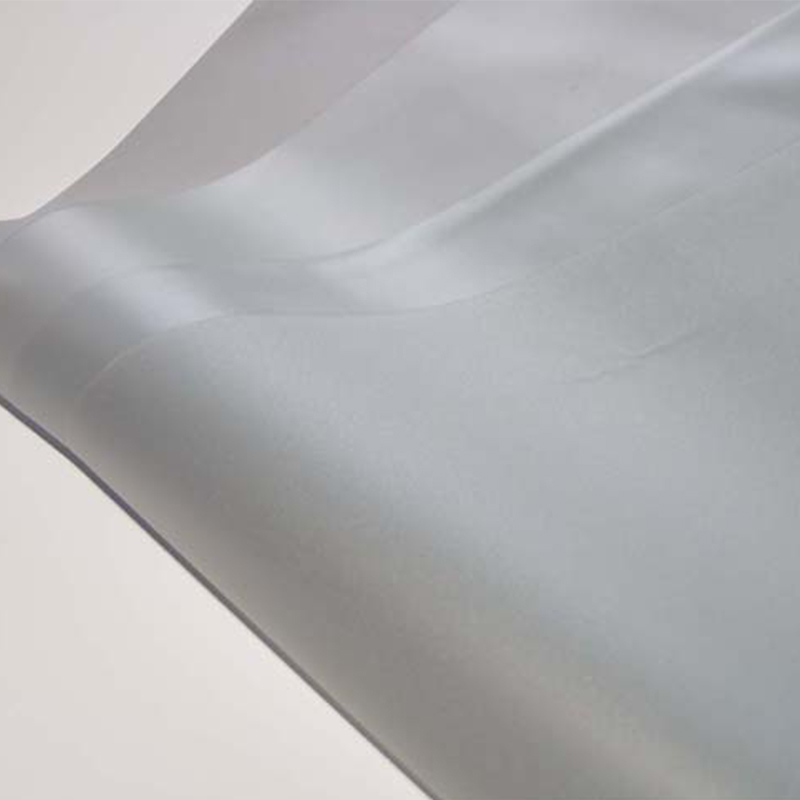 OverviewSemi-transparent PVC film with matte finish, delivering light diffusion and a refined tactile feel. Flexibl...
 OverviewDecorative yet functional embossed PVC film combining color and surface texture for protective book covers....