

 English
 русский
 Español
 عربى


Walk through a packaging workshop, a furniture factory, or a printing facility, and there is a good chance that PVC film will appear somewhere in the production process. It may be used to wrap a product, cover a decorative panel, protect a finished surface, or serve as the base material for printed designs.
These applications have little in common at first glance. Yet they share a practical requirement: manufacturers need sheet materials that can fit different production methods and product designs. PVC film rolls have found a place in these settings because they can be supplied in various forms, finishes, and levels of flexibility.
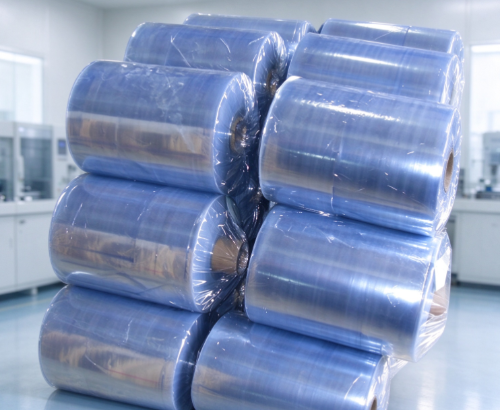
The material is not used for the same reason in every industry. A packaging manufacturer may care about how easily a film moves through wrapping equipment. A furniture producer may pay closer attention to color and surface texture. For a business making protective coverings, the way the film adheres to and separates from another surface can matter much more.
This variety helps explain the continued demand for PVC film rolls. Their role is shaped not only by material properties but also by changes in product design, manufacturing practices, and purchasing habits.
What Makes PVC Film Rolls Suitable for Different Industrial Uses?
Industrial materials rarely do just one job. A sheet used on one production line may need to wrap around shaped parts, while another has to keep its finish intact after being laid flat. Most manufacturers look for materials that fit their own processes, rather than searching for one material that works for everything.
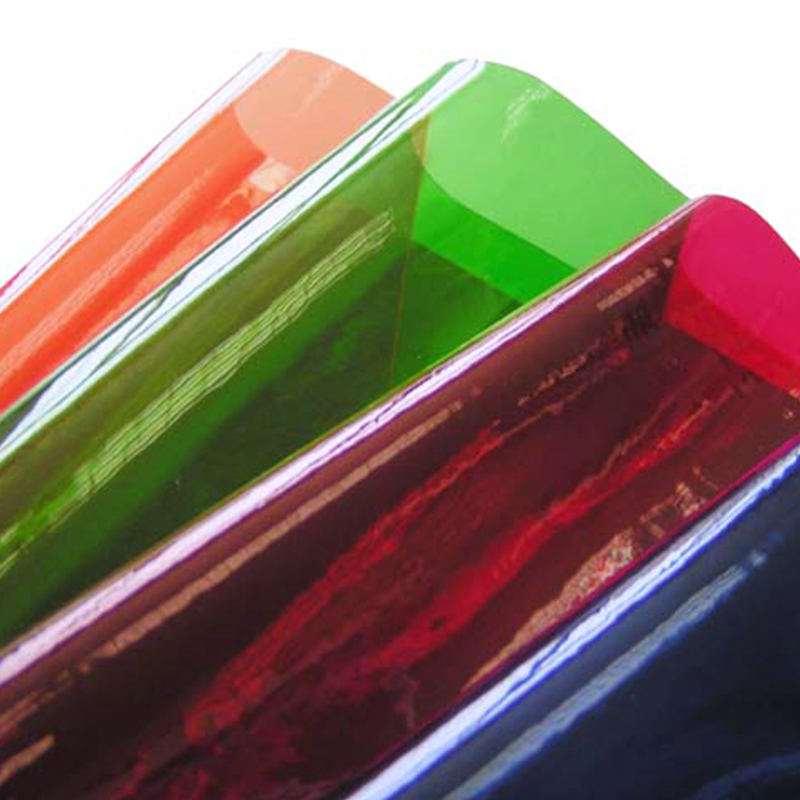
PVC film comes in many types: flexible, semi-rigid, clear, coloured, printed and textured. This variety lets factories pick the right grade for whatever they are making.
The roll format is also very practical. Continuous rolls feed straight into production machines, can be cut as needed, and work well for batch runs. For companies with repeat orders, rolls fit existing workflows much better than separate cut sheets.
It is also popular for business reasons. Many factories run several product lines at once. A furniture maker, for example, may produce cabinet panels, decorative trim and other interior parts. Different PVC finishes can cover these lines, without switching to a brand-new surface material for every new design.
That said, having many options does not mean one film suits all jobs. A film made for packaging will not always work well for decorative lamination. The same goes for protective film and print film. They may look similar, but they are built for different tasks.
For buyers, the main point is not simply whether it is PVC. It is whether the film matches how the finished product will be made, handled and used later on.
How Do PVC Film Rolls Fit into Modern Packaging Production?
Packaging has two key jobs. It protects goods during handling and shipping, and it also presents products in a way that works for retailers and customers.
PVC film rolls are used for specific packaging tasks where flexible covering, product visibility or a certain look is needed. Depending on the product, the film can be clear, coloured, or made to work with a particular wrapping process.
For retail packaging, visibility helps drive purchases. Shoppers often want to see the item they are buying, especially when its shape, colour or appearance is its main selling point. Clear film protects the product while keeping it visible.
Industrial packaging focuses on different things. Goods may sit in warehouses, move between workshops, and go through many distribution steps. The wrapping material has to suit the item and how it will be moved and stored.
This difference is important when choosing packaging. There is no one standard that fits every manufacturer. A household goods brand may care most about shelf appeal, while an industrial parts supplier prioritises safe handling and storage.
Packaging design keeps changing. Businesses pay more attention to material usage, package size and waste produced during packing. Many are checking if their old wrapping styles still fit their products and delivery chains.
These changes mean PVC film suppliers need to talk through more details with buyers. Customers no longer just ask for clear or coloured film. They share product shapes, machine types and shipping conditions.
A good film has to work through every step of packaging. A sample that looks great can still cause trouble if it does not run smoothly on your machine or work with your planned pack style.
Why Is PVC Film Used in Furniture and Interior Decoration?
Furniture design has become increasingly connected with surface finishes. A cabinet is no longer judged only by its storage space or structure. Its color, texture, and overall appearance also influence how it fits into a room.
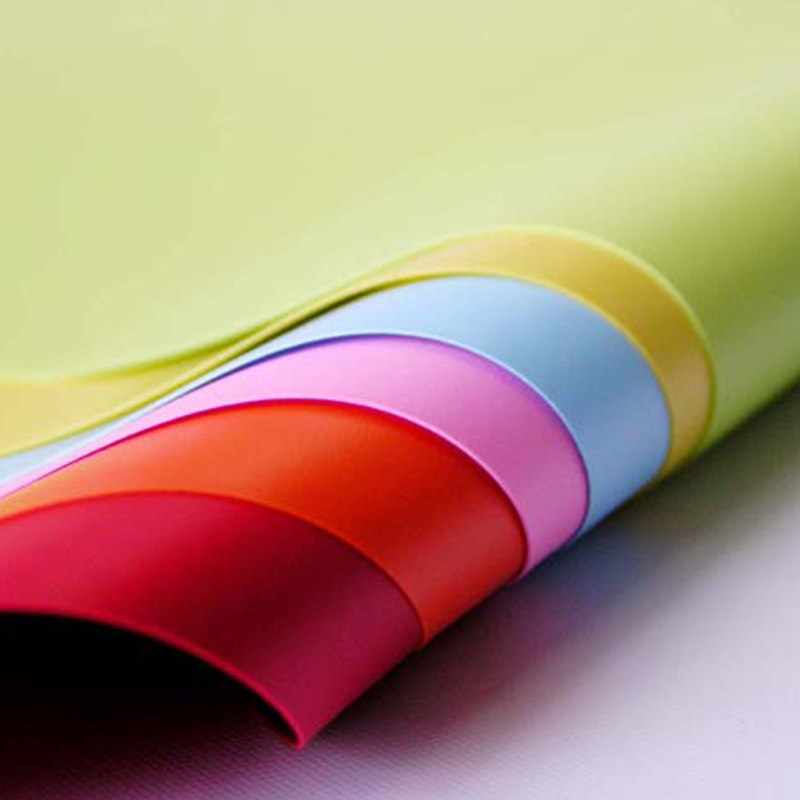
This has created a place for decorative PVC film in furniture manufacturing. It can be used on selected panels, cabinet components, storage products, and interior decorative surfaces. Manufacturers can choose from wood-inspired patterns, solid colors, stone-like effects, and textured finishes.
One interesting change in the furniture market is the growing variety of visual preferences. Natural wood appearances remain familiar, but they are no longer the only direction. Some interior projects use muted green, warm beige, darker colors, or subtle surface textures to create a different atmosphere.
For furniture producers, this variety can create both opportunities and production challenges. A company may need to offer several appearances while keeping its basic product structure relatively consistent. Decorative film provides one way to develop different surface styles without redesigning every component.
Still, appearance is only part of the decision. The film needs to suit the panel surface and the application process. If it is difficult to handle during production, the visual design alone will not make it a practical choice.
Buyers also pay attention to consistency across production batches. This is particularly relevant for furniture manufacturers supplying complete interior projects. If panels ordered at different times show noticeable differences in color or pattern, matching the finished products can become difficult.
The supplier's ability to communicate about samples, surface options, and production consistency therefore matters. A furniture manufacturer may have a clear design concept, but turning that concept into a repeatable product requires coordination between the material supplier and the production team.
Can PVC Film Rolls Be Used in Construction and Building Materials?
Construction materials are not always selected for structural purposes alone. Their surface appearance can influence the design of a room, the style of a building, or the way different interior components work together.
PVC film is used in some decorative building material applications, including selected wall panels, doors, decorative boards, and related interior products. It gives manufacturers another way to develop surface finishes without relying entirely on traditional decorative materials.
For example, a panel intended for a modern interior may use a plain color, while another product may feature a wood-inspired pattern. These differences allow manufacturers to serve projects with different design preferences.
Protective applications also exist in this sector. During manufacturing and transportation, finished panels and other components may need temporary surface coverings. Certain PVC films can help reduce contact with dust, scratches, and handling marks.
It is important to distinguish between these two roles. Decorative film is intended to remain on the product as part of its finished appearance. Protective film is generally used during a particular stage and may be removed later.
The conditions of use also deserve attention. A decorative film designed for an indoor panel should not automatically be considered suitable for an outdoor application. Exposure to sunlight, moisture, temperature changes, and regular contact can influence material selection.
This is where communication between buyers and suppliers becomes important. Describing a product simply as a building material does not provide enough information. The supplier needs to understand where the finished item will be installed and what conditions it is expected to face.
As interior building products continue to diversify, surface materials have become part of the design conversation rather than just a finishing step.
How Do Printing and Labeling Businesses Work with PVC Film Rolls?
In printing, the surface of a material can influence the entire appearance of the finished product. The same design may look quite different on a transparent film, a white background, or a glossy surface.
PVC film rolls are used in selected printing applications, including labels, signs, decorative graphics, and display materials. The available surface finishes give printing businesses different options for presenting images, text, and product information.
The roll format is particularly relevant to businesses using continuous production processes. Material can move through printing and finishing equipment before being cut into individual items. This can suit orders that involve repeated designs or larger production batches.
Yet choosing a film for printing is not simply a matter of selecting the desired color or finish. The surface needs to be compatible with the printing method and the materials used during production. Cutting, laminating, and other finishing operations may also affect the final result.
Color consistency is another issue that deserves attention. A business producing labels for a product range may need the same visual appearance across different orders. Even small differences between material batches can become noticeable when printed items are placed side by side.
There is also a growing variety of applications. Printing companies are not only producing conventional product labels. Decorative graphics, interior displays, and customized visual materials have created demand for different surface effects.
For PVC film suppliers, this means that a general product description may not be enough. Buyers often need to explain the intended printing process and the appearance they want to achieve. Testing a sample on the actual equipment can help identify compatibility issues before larger orders begin.
What Role Does PVC Film Play in Manufacturing and Surface Protection?
A finished product can be damaged long before it reaches the customer. During cutting, assembly, storage, and transportation, its surface may come into contact with tools, packaging materials, or other components.
This is particularly relevant for products with visible finishes. Metal sheets, plastic panels, furniture parts, and decorative boards may need temporary protection while moving through a factory or distribution process.
Certain PVC protective films are used as coverings for these applications. Their purpose is to reduce direct contact with the surface during handling. Once the product reaches the required stage, the protective layer can be removed according to the application requirements.
The relationship between the film and the covered material needs attention. If adhesion is unsuitable, the film may move during handling or become difficult to remove. Residue left on the surface can also create extra cleaning work.
Manufacturers may consider several factors when selecting protective film:
| Consideration | Practical Importance |
|---|---|
| Surface material | Different surfaces may require different film characteristics |
| Adhesion | The film needs to remain in place during the intended process |
| Removal | The covering should be removable without unwanted effects on the surface |
| Working environment | Production and storage conditions may influence film selection |
| Handling process | The film should suit the way products are moved and packed |
Industry requirements can vary even within the same manufacturing sector. A metal processing company may use protective film during fabrication, while a furniture producer may apply it to finished decorative panels before delivery.
In both cases, the film is only one part of surface management. Proper storage, packaging, and handling procedures remain necessary.
What Should Buyers Consider When Sourcing PVC Film Rolls?
A common sourcing mistake is to begin with a broad product name and assume that all materials under that category will meet the same requirements. PVC film rolls cover many applications, so buyers need to be clear about the intended use before comparing suppliers.
A packaging company and a furniture manufacturer may both request PVC film, but their priorities can be quite different. The former may focus on wrapping and packaging compatibility. The latter may need to discuss color, texture, and surface application.
A useful sourcing conversation usually starts with the finished product. Buyers can explain what the film will cover, how it will be processed, and whether it will remain on the product or be removed later.
The following points can help make that discussion more productive:
- Application: Explain whether the film is intended for packaging, decoration, printing, or temporary protection.
- Surface appearance: Clarify requirements for color, transparency, texture, and finish.
- Processing method: Discuss the equipment and production steps involved.
- Material consistency: Ask how the supplier manages differences between production batches.
- Storage and delivery: Confirm how the rolls will be packaged, transported, and stored.
- Sample testing: Evaluate the material under actual working conditions before placing a larger order.
Price is naturally part of the purchasing decision, particularly for companies handling regular orders. However, the low quoted price does not necessarily represent the low overall production cost. Material that creates processing difficulties or inconsistent finished products may lead to additional work.
Communication also deserves attention. Suppliers need enough information to understand the application, while buyers should be prepared to explain their production requirements. This exchange can reduce misunderstandings and make it easier to identify a suitable film.
How Are PVC Film Roll Suppliers Responding to Changing Industry Needs?
The PVC film supply market is influenced by changes in the industries it serves. Packaging companies are reviewing their material choices, furniture producers are exploring new surface designs, and printing businesses are handling a wider range of customized orders.
These developments have changed what buyers expect from suppliers. A product catalog can show available colors, finishes, and film types, but it cannot answer every application question. Customers increasingly want to discuss how a material will work within their own production process.
Customization is one area where this shift can be seen. Furniture manufacturers may ask about particular decorative patterns. Packaging businesses may need a film that fits a specific product format. Printing companies may require a surface that matches their equipment and finishing methods.
This does not mean every order needs a completely customized product. In many cases, the challenge is finding an existing material that fits the customer's requirements. The supplier's experience with different applications can help narrow down the options.
Material management is another issue. Buyers with regular production schedules need to consider supply continuity, batch consistency, and communication about delivery arrangements. These matters may not be visible in a product sample, but they can influence the relationship over time.
Environmental questions are also becoming more common in material sourcing. Buyers may ask about material composition, waste handling, and the requirements of their local markets. Such discussions need to be based on the specific film and its intended disposal route. Broad environmental claims should not replace clear product information.
The supplier's role is gradually extending beyond simply selling rolls of film. Understanding the customer's application, discussing material suitability, and maintaining clear communication are all part of serving an industrial market with varied requirements.