Kitchen and bathroom doors are exposed to conditions that are different from those found in bedrooms, living rooms, or other relatively dry spaces. Steam, splashes, food residue, frequent touching, and regular cleaning can all affect the condition of a door surface. Appearance matters, but surface maintenance and compatibility with the surrounding environment also influence material selection.
Wood Grain PVC Film is used on some interior door surfaces because it combines a wood‑inspired visual effect with a manufactured surface layer. The material can cover a door panel and create a consistent appearance without relying on the natural variations found in solid wood.
Kitchen doors often sit close to cooking areas, sinks, cabinets, and frequently used storage spaces. A surface may be touched repeatedly throughout the day and wiped down when food or liquid reaches it. Bathroom doors face a different routine, with humidity and water vapor being more relevant factors.
Several practical considerations influence the choice of a door surface:
- Resistance to routine surface contact
- Ease of removing common dirt and residue
- Compatibility with the door panel underneath
- Appearance after repeated cleaning
- Suitability for the humidity of the installation area
- Condition of edges, corners, and joints
The visual connection with wood is also relevant. Wood textures have long been associated with warm and natural interior spaces, while kitchens and bathrooms increasingly use door designs that connect with cabinets, wall finishes, flooring, and other interior elements.
Surface material cannot compensate for poor door construction or unsuitable installation. A well‑selected finish still depends on an appropriate panel, careful application, and suitable use conditions. Moisture entering through exposed edges, for example, creates a different problem from moisture remaining on the outer surface.
How Does Wood Grain PVC Film Create a Wood‑Like Door Appearance?
Natural wood contains variations in grain direction, color, and surface character. A manufactured film approaches the visual effect differently by reproducing selected grain patterns across a prepared surface. The result can provide a more controlled appearance from one door panel to another.
Wood grain does not need to dominate the entire design. A subtle pattern can give a flat door some visual depth, while a stronger grain direction may become part of the room's overall decorative structure.
The direction of the grain deserves attention during door production and installation. A vertical pattern can make a tall panel appear visually elongated, while a horizontal pattern produces a different impression. When several doors are installed together, inconsistent grain direction may make the surrounding surfaces look disconnected.
Color also changes the character of a wood‑inspired surface. Lighter shades tend to create a softer visual effect, while deeper shades give greater visual weight to a door panel. Neither approach is tied exclusively to kitchens or bathrooms; the surrounding materials determine whether the combination feels balanced.
Several design elements can be coordinated with the film surface:
- Door panel shape
- Grain direction
- Surface color
- Handle finish
- Wall and cabinet colors
- Floor or countertop appearance
Texture provides another layer of visual information. A completely smooth surface reflects light differently from a surface with a visible wood pattern. In a compact bathroom, that difference may become noticeable under artificial lighting. In a kitchen, nearby cabinets and work surfaces can either support or compete with the grain pattern.
Consistency is particularly useful when several door panels form part of the same interior area. Matching the direction and general tone of the wood pattern helps create visual continuity without requiring every surface to use the same material.
What Makes PVC Film Suitable for Kitchen Door Surfaces?
Kitchen doors are exposed to a mixture of everyday conditions. Cooking can produce grease, moisture, food particles, and stains. Handles receive repeated contact, while areas near sinks may experience occasional splashing.
A surface finish used in this setting needs to support routine cleaning without making ordinary maintenance unnecessarily complicated. The material should also remain compatible with the structure of the door panel and the way the door is manufactured.
Kitchen use often creates localized wear rather than uniform wear across the entire door. Areas around handles, lower edges, and doors positioned close to cooking or washing zones tend to receive more contact.
Cleaning requirements can be considered from several angles:
- Type of residue: Food particles and light grease may require different cleaning approaches.
- Frequency of cleaning: Frequently touched doors may need regular wiping.
- Surface texture: Deep or pronounced textures may hold more residue than smooth areas.
- Edge condition: Exposed edges need careful attention because surface material does not protect every part of a door equally.
- Cleaning products: Harsh substances may affect a surface differently from ordinary household cleaners.
The door's construction also matters. A film layer sits on a substrate, so the condition beneath the surface can influence the final result. Uneven areas, poorly prepared edges, or insufficient adhesion may become visible after installation.
A kitchen door located beside a sink presents another consideration. Water that repeatedly reaches an exposed edge can affect the underlying panel even when the visible front surface remains in good condition. Proper edge treatment and installation are therefore closely connected with surface performance.
Wood‑inspired finishes also provide flexibility in kitchen design. A wood‑like door can work alongside plain cabinet surfaces, stone‑look worktops, metal hardware, or painted walls. The visual effect depends less on the film alone and more on how the various surfaces are arranged around it.
How Does Wood Grain PVC Film Perform in Bathroom Door Applications?
Bathroom doors operate in an environment where moisture is part of normal daily use. Steam can accumulate during bathing, while water droplets may reach nearby surfaces. Ventilation, room layout, door position, and cleaning habits all affect how much moisture remains around the door.
A wood‑patterned surface can introduce a warmer appearance into a bathroom that otherwise contains hard, smooth, or plain‑colored materials. The grain can visually soften the space without requiring natural timber throughout the room.
Moisture exposure still needs to be considered carefully. Wood Grain PVC Film provides a surface layer, but the condition of the complete door depends on the panel beneath it, edge treatment, joints, and installation quality.
Particular attention is useful around:
- Lower door edges near wet flooring
- Door corners and cut areas
- Handle openings
- Hinged areas
- Joints between different door components
Repeated moisture exposure can create problems when water reaches areas that are not adequately protected. A visible surface may appear unchanged while an exposed edge or joint experiences a different condition underneath.
Cleaning also differs slightly from kitchen use. Bathroom doors may collect soap residue, dust, moisture marks, or other deposits rather than cooking‑related grease. A suitable cleaning routine should account for the surface finish and avoid unnecessary abrasion.
The surrounding bathroom materials influence the visual result as well. A warm wood grain can sit alongside tile, plain wall panels, glass, or metal fittings. Grain scale and color need to fit the size and lighting of the room so that the door remains part of the overall interior rather than becoming visually disconnected.
For bathroom applications, surface selection is closely linked with installation. Moisture management around the entire door assembly matters as much as the appearance of the front panel. Proper alignment, edge protection, and suitable ventilation all contribute to the condition of the finished door during everyday use.

How Do Surface Texture and Wood Grain Affect Door Design?
A door surface is seen from several angles as people move through a room. Light from windows, ceiling fixtures, and nearby reflective surfaces changes how the finish appears throughout the day. Wood grain adds another visual layer because the pattern creates direction across an otherwise flat panel.
Grain direction can influence the perceived shape of a door. A vertical pattern tends to follow the height of the panel, while a horizontal pattern creates a different visual rhythm. When several doors are positioned together, maintaining a consistent direction helps the surfaces relate to one another.
Color creates another distinction. Pale wood tones may work with light walls and simple interior finishes, while darker shades introduce stronger visual weight. The choice depends on the surrounding materials rather than on the room type alone.
Surface texture also affects everyday perception. A smooth finish allows light to move evenly across the panel. A textured wood pattern breaks that reflection and gives the surface a more tactile appearance. Both approaches can suit kitchen or bathroom doors, depending on the desired interior arrangement.
Several details can be considered during design:
- Grain direction in relation to the door shape
- Color relationship between the door and surrounding surfaces
- Texture depth and ease of cleaning
- Alignment between adjacent panels
- Visual relationship with handles and hinges
Door proportions also matter. A strong grain pattern on a small panel may create a different effect from the same pattern applied to a wide door. The surrounding cabinet layout, wall finish, and flooring can either reinforce or soften the visual direction.
Lighting deserves attention during material selection. A finish that looks subtle under diffuse daylight may appear more pronounced beneath direct artificial lighting. Samples should ideally be viewed in conditions similar to the installation environment rather than judged under a single light source.
What Should Be Considered When Applying PVC Film to Doors?
A surface film does not function independently from the door panel beneath it. The condition of the substrate, preparation of the surface, application process, and treatment of edges all influence the finished appearance.
Before application, the panel needs a suitable surface condition. Dust, uneven areas, moisture, or contamination can interfere with adhesion and create visible defects after the film has been applied.
| Application Area |
Main Consideration |
Possible Surface Concern |
| Door Panel |
Surface flatness |
Visible uneven areas |
| Grain Direction |
Pattern alignment |
Inconsistent appearance |
| Corners |
Film fitting |
Edge lifting |
| Door Edges |
Surface protection |
Moisture exposure |
| Handle Cutouts |
Clean finishing |
Localized wear |
| Recessed Sections |
Film conformity |
Uneven surface coverage |
| Installation Area |
Moisture and temperature |
Changes in surface condition |
The shape of the door also affects the process. Flat panels are handled differently from doors with recessed sections, curved edges, or decorative profiles. Corners and narrow sections require particular attention because the material has to follow the shape without creating visible lifting or irregularities.
Several areas deserve inspection during production:
- Panel surface — Uneven areas can become visible through a thin covering layer.
- Film alignment — Grain direction needs to remain consistent with the intended design.
- Corners — Poorly treated corners may become vulnerable during repeated contact.
- Edges — Exposed edges need suitable protection against everyday moisture and abrasion.
- Cutouts — Openings for handles and fittings should remain clean and properly finished.
Adhesion quality also affects long‑term appearance. A film that is not properly attached may develop bubbles, lifting, or movement around stressed areas. Temperature and moisture during production can influence the condition of the adhesive layer, so the application environment needs to match the material requirements.
The door's intended location should be considered before production rather than after installation. A bathroom door may require greater attention to moisture‑prone edges, while a kitchen door may receive heavier contact around handles and areas close to food preparation.
Wood Grain PVC Film also requires careful alignment when multiple panels are produced for the same room. Grain patterns that change direction unexpectedly can make a group of doors appear visually inconsistent. Controlled cutting and positioning help maintain the intended appearance across the installation.
How Do Cleaning and Daily Use Affect Wood Grain PVC Film?
Kitchen and bathroom doors rarely remain untouched. Handles are used repeatedly, surfaces are wiped, and small marks gradually appear around areas of frequent contact. The effect of daily use depends on the surface texture, cleaning method, type of residue, and condition of the film.
Kitchen surfaces may collect grease, food particles, water marks, or dust. Bathroom doors can accumulate moisture marks, soap residue, and ordinary household dirt. Most routine cleaning needs do not require aggressive treatment. A suitable cloth and an appropriate cleaning method are generally easier on the surface than rough scrubbing.
Cleaning should also follow the texture of the door. A pronounced grain pattern can hold residue in small grooves, making wiping direction relevant. Wiping across the texture may remove loose material differently from wiping along the grain.
Common maintenance considerations include:
- Remove loose dirt before wiping firmly.
- Use cleaning materials that are compatible with the surface.
- Avoid unnecessary abrasive action.
- Pay attention to edges and corners.
- Dry areas that receive repeated moisture exposure.
- Check for lifting or surface changes during routine cleaning.
The condition of the cloth can matter as well. Particles trapped in a rough cleaning material may create fine marks when pressure is applied. Excessive scrubbing around handles or corners can also produce localized wear that differs from the rest of the panel.
Cleaning frequency depends on the room and the level of use. A kitchen door beside a preparation area may require more frequent wiping than a bathroom door located away from direct water exposure. Establishing a practical cleaning routine based on actual use is more appropriate than applying the same method to every door.
Chemical exposure deserves attention. Strong cleaning substances may react differently with decorative surfaces than mild household cleaners. Product care instructions should be followed, particularly when a new cleaning product is being introduced.
Regular visual inspection can reveal small changes early. Peeling edges, bubbles, unusual discoloration, or changes around cutouts may indicate an issue with the surface layer or the underlying panel. Early inspection allows maintenance concerns to be separated from ordinary surface dirt.
What Is Driving the Use of Wood Grain Finishes on Interior Doors?
Interior door design has gradually moved beyond a choice between plain painted surfaces and natural wood. Manufactured surface finishes allow designers and door makers to work with different colors, patterns, and textures while keeping the door structure consistent.
Wood‑inspired finishes fit into this shift because they connect a practical door surface with a familiar interior material appearance. Kitchens and bathrooms often contain a mixture of hard surfaces, smooth panels, metal fittings, and ceramic or stone‑like materials. A wood grain can introduce visual variation within that combination.
The choice is not based on appearance alone. Manufacturing considerations also influence which surface treatment is practical for a particular door. Panel shape, edge construction, installation location, cleaning requirements, and expected contact all affect the suitability of a finish.
A few design directions are becoming more relevant to interior door planning:
- Wood patterns combined with simple door shapes
- Subtle grain used with plain surrounding surfaces
- Matching door and cabinet tones
- Different grain directions used to shape visual proportions
- Surface finishes selected according to room conditions
Kitchen and bathroom doors also benefit from being considered as part of the wider interior rather than as isolated products. A door beside wood‑look cabinetry may need a compatible tone, while a door in a neutral bathroom can provide a contrasting texture.
Manufacturing consistency remains important when several doors are installed in the same space. Similar color, grain direction, and surface texture help maintain a coherent appearance. Small differences may become noticeable when panels are placed directly beside one another.
Practical maintenance continues to influence material choices as well. A decorative finish needs to remain compatible with the cleaning habits and environmental conditions of the room. Kitchens bring grease and frequent contact, while bathrooms bring humidity and occasional water exposure. Interior door surfaces increasingly have to accommodate both visual preferences and everyday maintenance requirements.
Wood grain finishes fit within that broader development by giving door surfaces a familiar natural appearance while allowing manufacturers to work with a controlled decorative layer. The final result still depends on panel preparation, application quality, edge treatment, installation, and the conditions in which the door is used.



 English
 русский
 Español
 عربى
عربى

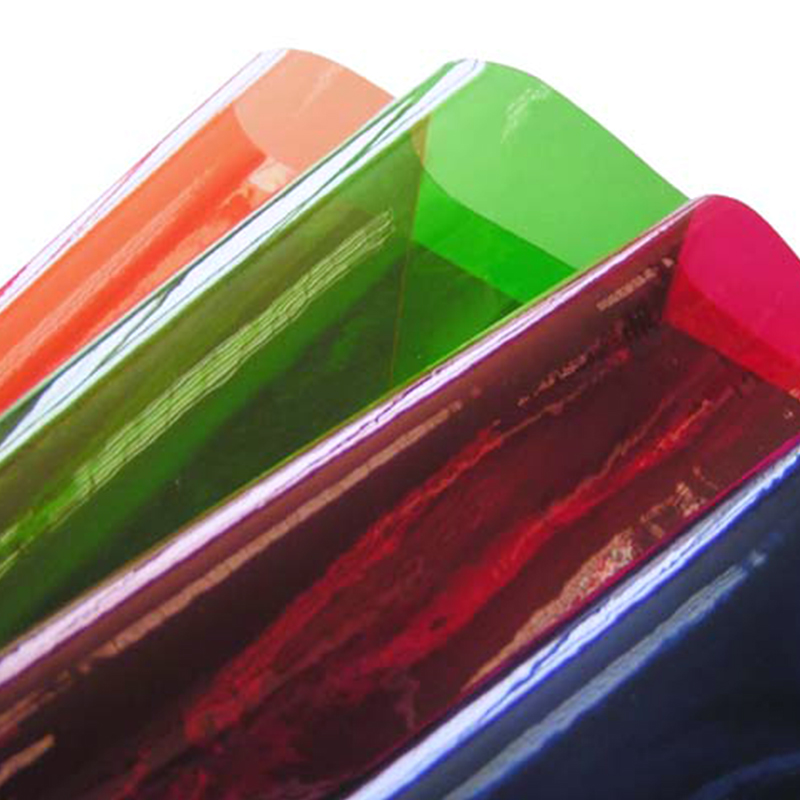
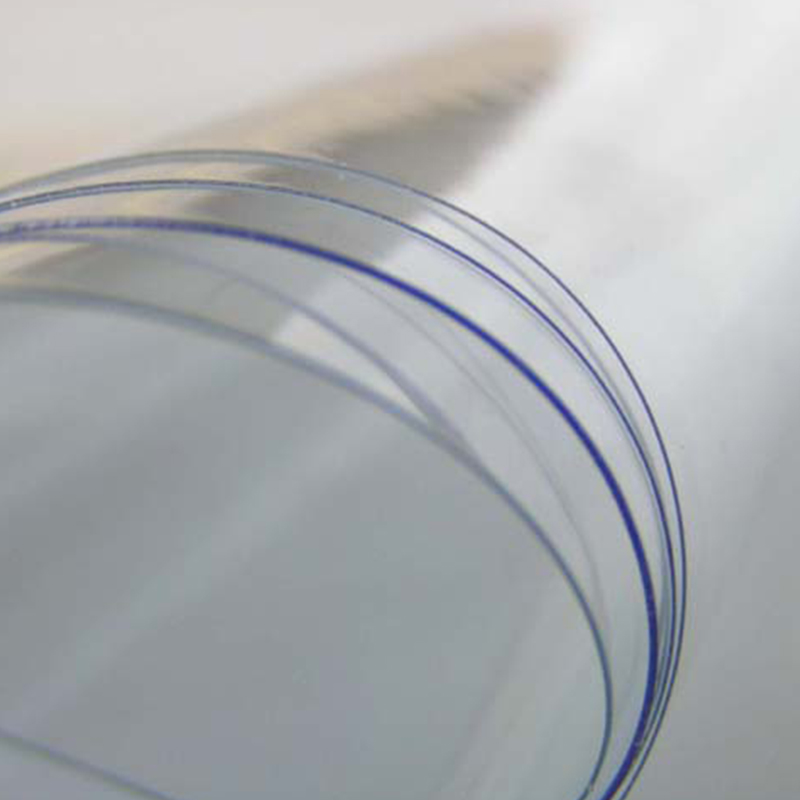 OverviewOur Super Clear PVC Film for tablecloths offers ultra-transparent protection while maintaining a sleek appe...
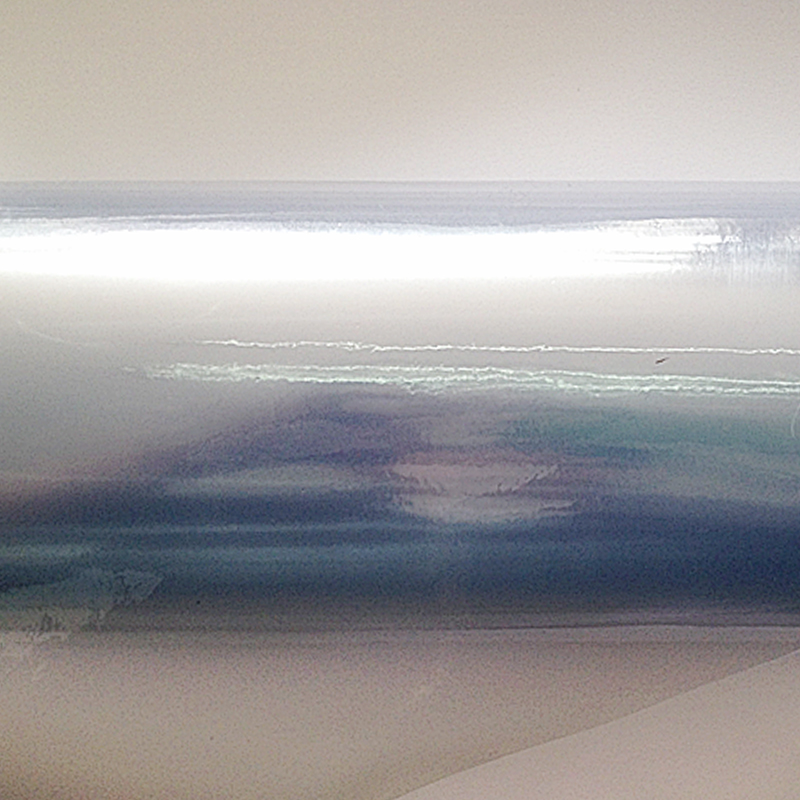 OverviewReliable clear PVC film featuring a powdered, non-sticky surface and slightly lower clarity. Normal Clear P...
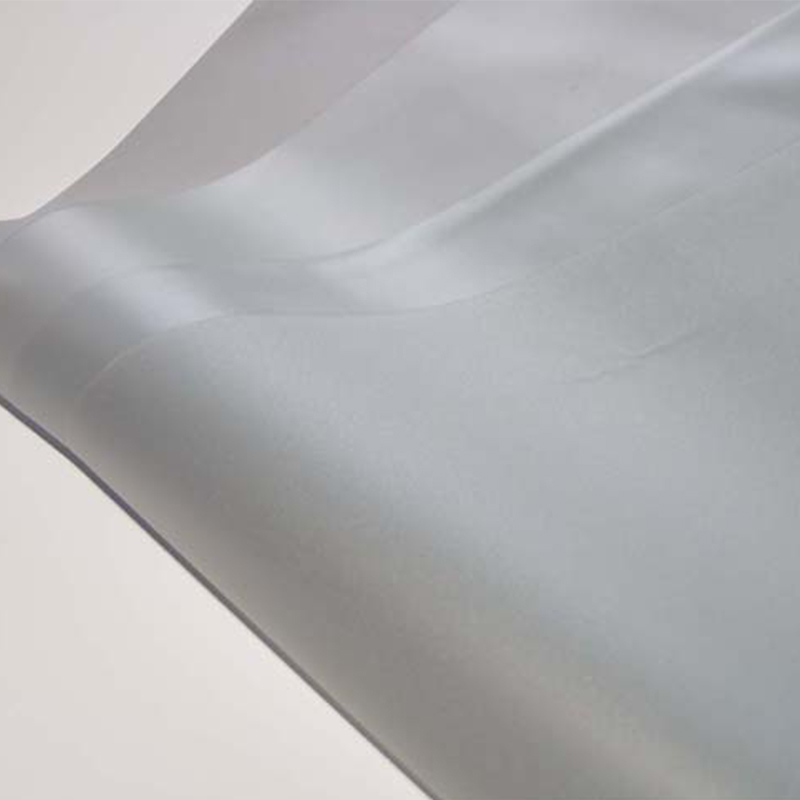 OverviewSemi-transparent PVC film with matte finish, delivering light diffusion and a refined tactile feel. Flexibl...
 OverviewDecorative yet functional embossed PVC film combining color and surface texture for protective book covers....