Furniture surfaces are exposed to everyday contact, dust, food residue, fingerprints, and changes in the surrounding environment. A surface that looks clean after installation can gradually collect marks through normal use. Regular cleaning therefore becomes part of furniture care rather than an occasional task carried out only when stains become visible.
For furniture covered with decorative film, the cleaning method needs to match the condition of the surface. Too much moisture, rough materials, or unsuitable cleaners may create problems while removing dirt. A simple approach based on the type of surface and stain can make routine care easier.
Why Does Regular Cleaning Matter for Furniture Film
Furniture in homes, offices, kitchens, shops, and other indoor spaces can collect different kinds of dirt. Dust may settle on horizontal surfaces, while handles and frequently touched areas can develop fingerprints. Food and drink may leave residue, especially around dining or preparation areas.
When dirt remains on a surface for a long time, cleaning may require more rubbing. Repeated rubbing can place unnecessary stress on the film surface. Removing ordinary dirt before it becomes firmly attached is therefore a practical part of daily maintenance.
The surrounding environment also affects how often cleaning is needed. A cabinet in a dry room may mainly collect dust, while furniture near cooking activities may encounter grease and moisture. A desk in an office may have frequent contact with hands, stationery, and drinks.
Regular care can focus on a few simple habits:
- Remove loose dust before wiping away marks.
- Deal with spills without allowing them to remain for long periods.
- Use soft cleaning materials rather than rough surfaces.
- Avoid excessive pressure when wiping.
- Dry areas where moisture may collect.
- Pay attention to edges and corners during routine cleaning.
The purpose is not to repeatedly scrub the furniture surface. Gentle and timely cleaning can reduce the need for stronger treatment later.
What Should Be Checked Before Cleaning PVC Film For Furniture
Before cleaning PVC Film For Furniture, it helps to look at the condition of the surface. A layer of loose dust needs a different approach from dried food, oily marks, or a substance that has become attached near an edge.
Loose particles should be removed carefully before wet wiping. Rubbing a dusty surface directly can move small particles across the finish and create unnecessary friction. A soft, dry cloth can help remove this loose material before further cleaning begins.
Edges and corners also deserve attention. Dirt can gather where two surfaces meet, around handles, or along recessed areas. These locations may require more careful wiping because repeated pressure in a small area can affect the surface.
Before using any cleaning product, check whether it is suitable for the furniture surface. A cleaner that works on another household material may not be appropriate for a decorative film. Strong solvents, abrasive powders, rough pads, or untested mixtures can change the appearance of the surface.
A small, less visible area can be checked before applying an unfamiliar cleaning material across a larger section. This simple step helps reveal whether the cleaner affects the surface before wider use.
The condition of the cloth matters as well. A cloth that contains trapped dirt or rough particles may create more friction than expected. Clean, soft materials are easier to control during routine maintenance.
How Should PVC Film For Furniture Be Cleaned in Daily Use
Daily cleaning does not need to involve complicated equipment. For ordinary dust, a soft dry cloth can usually remove loose particles without adding moisture. When fingerprints or light marks appear, slightly damp cleaning may be more suitable.
The wiping process should remain gentle. Instead of pressing hard against a stubborn mark, allow the cleaning material to work on the residue and wipe the area again when needed. Repeated force is not a substitute for choosing an appropriate cleaning method.
Water should also be controlled. A damp cloth is different from a heavily wet surface. Excess liquid can move toward edges, joints, or openings around furniture components. After wiping, remaining moisture should be removed with a dry cloth.
For regular household care, the process can remain straightforward:
- Remove loose dust and particles.
- Wipe visible marks with a soft cloth.
- Use a suitable mild cleaning solution when needed.
- Avoid prolonged soaking.
- Dry the surface after cleaning.
- Check edges and corners for remaining moisture or residue.
Different furniture areas may need different attention. A dining cabinet can collect food residue, while a wardrobe may mainly need dust removal. Treating every surface with the same cleaning intensity can create unnecessary work.
Which Cleaning Materials Are Suitable for Different Stains
The type of stain often determines how it should be handled. Dust and loose particles usually need simple dry cleaning. Fingerprints and light marks may respond to a slightly damp cloth. Food residue can require more careful wiping, especially when it has dried onto the surface.
Oil‑based marks can be more difficult because water alone may not remove them easily. A suitable mild cleaner can help loosen the residue, followed by gentle wiping. The cleaner should be compatible with the film surface, and excessive rubbing should be avoided.
| Surface Condition |
Practical Cleaning Approach |
Care Point |
| Loose dust |
Soft dry cloth |
Avoid rubbing particles across the surface |
| Fingerprints |
Slightly damp soft cloth |
Use light pressure |
| Food residue |
Damp cloth with suitable mild cleaner |
Remove residue without aggressive scrubbing |
| Oily marks |
Compatible cleaning solution |
Test unfamiliar products before wider use |
| Moisture after cleaning |
Dry soft cloth |
Pay attention to edges and joints |
Rough sponges, abrasive powders, and hard brushes can change the feel or appearance of a decorative surface. Even when a stain seems difficult, increasing physical pressure is not necessarily the right response.
Cleaning materials should also be kept clean between uses. A cloth that has collected grease or grit can transfer it to another furniture surface. Washing or replacing the cloth regularly is a small maintenance habit that can reduce this problem.
Once the cleaning method is matched to the type of residue, the next concern is moisture. Water can be useful during cleaning, yet the way it is applied and removed matters just as much as the wiping process itself.
How Do Water and Moisture Affect Furniture Film Maintenance
Water is useful for removing some types of dirt, yet excessive moisture can create a different maintenance concern. Furniture surfaces may be wiped many times during normal use, especially around kitchens, dining areas, bathrooms, or places where drinks are handled.
The surface itself is only part of the area that needs attention. Edges, corners, joints, and areas around handles can collect moisture during cleaning. When water remains in these locations, it may be harder to remove completely.
For PVC Film For Furniture, a controlled amount of moisture is generally easier to manage than soaking the surface. A damp cloth can remove light marks while limiting the amount of liquid left behind. After wiping, a dry cloth can be used to remove remaining moisture.
Different rooms can create different maintenance needs. Kitchen furniture may encounter steam, cooking splashes, and food residue. Bathroom furniture may face a more humid environment. Living room cabinets may mainly deal with dust and occasional spills.
Some simple habits can help manage moisture:
- Wipe up spilled liquids rather than allowing them to remain on the surface.
- Avoid leaving wet cloths or cleaning materials on furniture.
- Pay attention to edges and joints after damp cleaning.
- Keep water away from areas where it may enter gaps or openings.
- Allow cleaned surfaces to dry before placing objects back on them.
Moisture management is also connected with the furniture's surrounding environment. Good ventilation can help a damp area dry naturally, while poor air movement may allow moisture to remain around corners and concealed areas.
What Daily Habits Can Help Keep PVC Film For Furniture Clean
Cleaning becomes easier when everyday use does not create unnecessary buildup. Small changes in how furniture is handled can reduce the amount of residue that needs to be removed later.
Food and drinks are common sources of marks. A spill that is wiped shortly after it occurs may need only a light cleaning pass. The same residue can become harder to remove after it dries, especially when it collects around edges or textured areas.
Furniture near cooking spaces may also be exposed to airborne grease. Regular light cleaning can prevent a heavy layer from developing. It is generally easier to wipe a surface gently than to rely on strong rubbing after a large amount of residue has accumulated.
Physical contact matters as well. Keys, tools, rough containers, and other objects can rub against furniture during daily use. Moving these items carefully can reduce unnecessary contact with the surface.
A few practical habits include:
- Use coasters or mats where drinks and wet items are regularly placed.
- Clean food residue after meals or preparation work.
- Avoid dragging rough objects across furniture.
- Keep sharp or abrasive items away from exposed surfaces.
- Wipe frequently touched areas when marks become visible.
- Keep cleaning cloths free from grit and accumulated dirt.
How Should Furniture Film Be Maintained Over Time
Long‑term care involves more than removing visible dirt. The condition of the surface can change gradually through repeated contact, cleaning, and exposure to the surrounding environment. Regular observation makes these changes easier to notice.
Edges and corners deserve particular attention because they receive contact during opening, closing, moving, and cleaning. A loose edge, visible lifting, or unusual surface change should be checked rather than repeatedly rubbed or covered with cleaning products.
Frequently touched areas may also show different wear patterns from sections that receive little contact. Handles, cabinet edges, desk corners, and drawer fronts can therefore be included in routine inspection.
The cleaning method can be adjusted according to the condition found during inspection. A lightly dusty surface does not need the same treatment as a section with dried residue. Avoiding unnecessary cleaning pressure can help reduce repeated physical stress.
It can be useful to check furniture under normal lighting and from different angles. Certain marks may be difficult to see when light falls directly on the surface. Changes around edges or corners can also become easier to notice during a closer inspection.
If a surface develops damage that cleaning cannot remove, continued rubbing may not solve the underlying problem. At that point, the condition should be assessed separately from ordinary cleaning.
How Can Cleaning and Maintenance Work Together
Cleaning and maintenance are closely connected, yet they serve slightly different purposes. Cleaning removes dust, residue, and everyday marks. Maintenance involves observing the condition of the surface, managing the surrounding environment, and adjusting daily use when necessary.
A simple routine can bring these tasks together without making furniture care complicated:
- Before cleaning: Check the surface for loose particles, spills, and areas that need special attention.
- During cleaning: Use a suitable soft material and apply only the amount of moisture needed for the type of residue.
- After cleaning: Remove remaining moisture and check edges, corners, and joints.
- During regular use: Avoid unnecessary friction, prolonged contact with liquids, and rough handling of objects.
- During periodic inspection: Look for changes that cleaning cannot remove, particularly around frequently used areas.
The same approach can be adapted to different furniture settings. A kitchen cabinet may need more frequent attention to food and grease, while a bedroom cabinet may mainly require dust removal. Office furniture may need more care around handles, desktops, and areas that receive repeated hand contact.
For PVC Film For Furniture, long‑term care is therefore closely related to ordinary use. Gentle cleaning, controlled moisture, suitable materials, and regular observation can work together as part of normal furniture maintenance. When cleaning is treated as a routine rather than a response to heavy buildup, the process can remain simple and easier to fit into everyday furniture care.



 English
 русский
 Español
 عربى
عربى

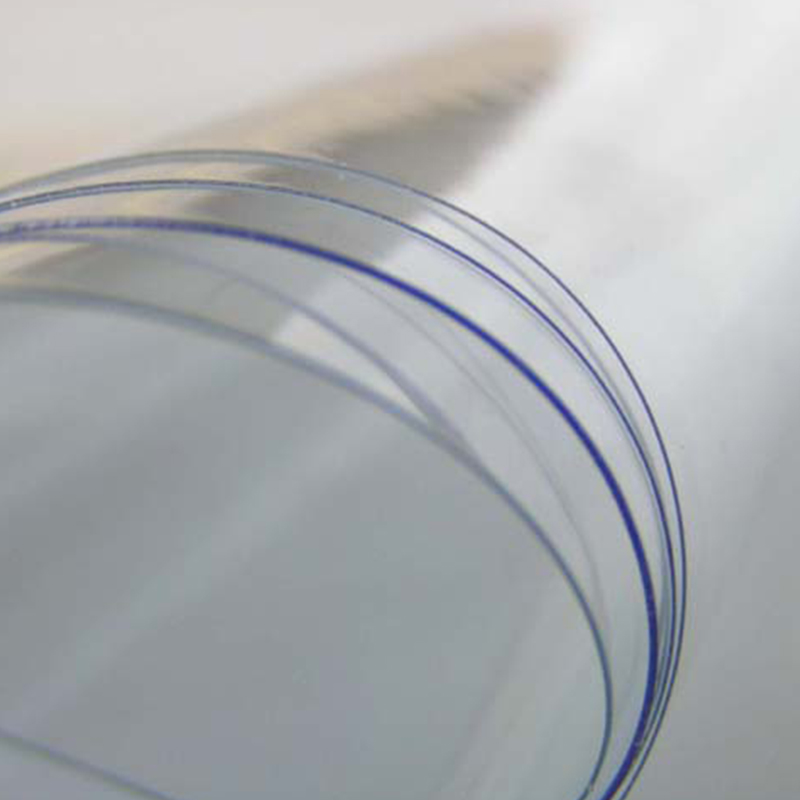 OverviewOur Super Clear PVC Film for tablecloths offers ultra-transparent protection while maintaining a sleek appe...
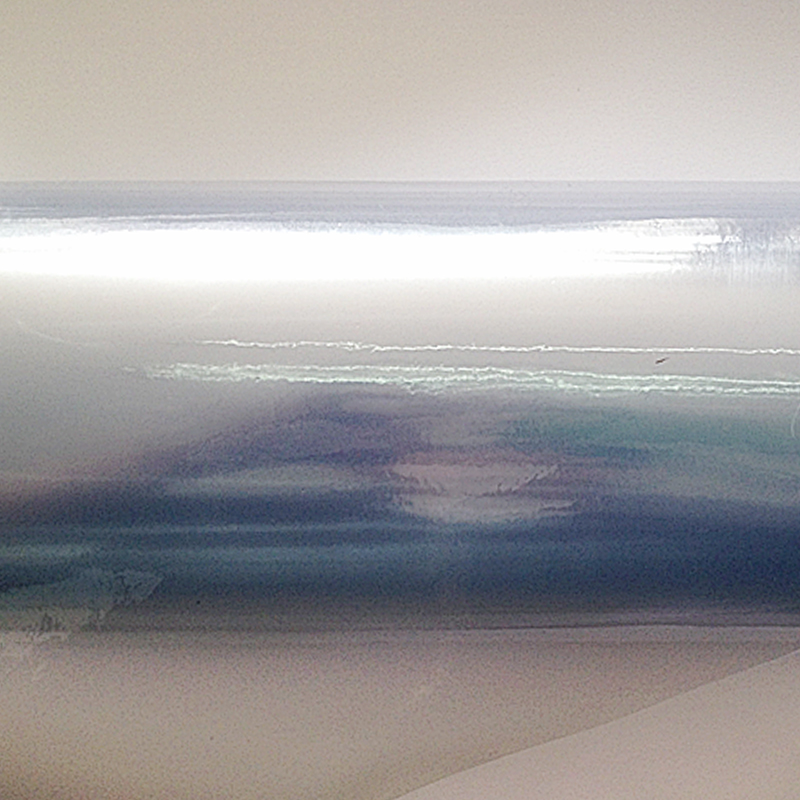 OverviewReliable clear PVC film featuring a powdered, non-sticky surface and slightly lower clarity. Normal Clear P...
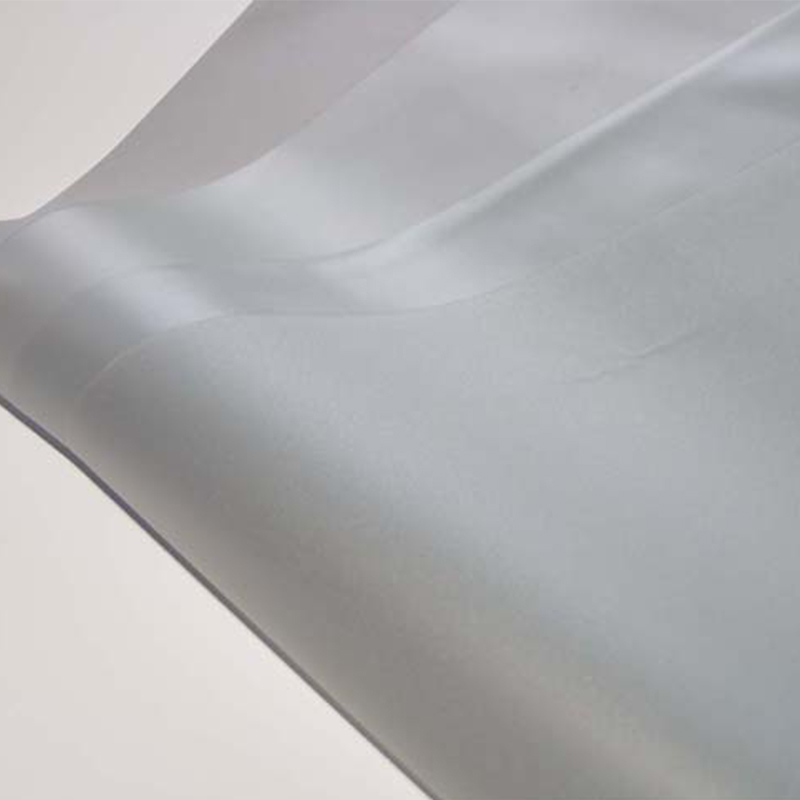 OverviewSemi-transparent PVC film with matte finish, delivering light diffusion and a refined tactile feel. Flexibl...
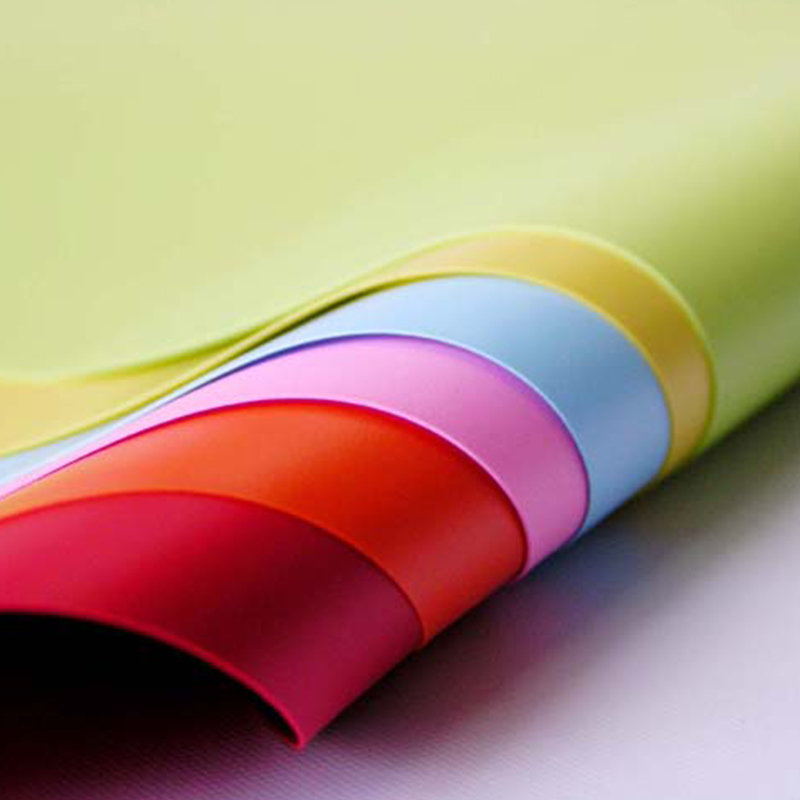 OverviewDecorative yet functional embossed PVC film combining color and surface texture for protective book covers....