A piece of PVC film may look simple when viewed on its own. Once it is placed over a printed card, colored sheet, label, or another surface, its optical effect becomes much easier to notice. A clear film keeps the material underneath relatively easy to see. A translucent film allows light through while making the background less distinct.
That difference matters in practical use. A covering layer may need to protect printed information, allow a person to check what is underneath, reduce visual exposure, or simply create a softer appearance. Choosing a film only because it looks clear in a sample can therefore result a poor match with the finished product.
A Clear PVC Film Roll is generally considered when direct visibility matters. Translucent PVC film serves a different purpose when some light transmission is wanted without keeping every detail sharp.
What Makes Translucent PVC Film Different From Clear PVC Film?
Imagine placing a sheet of clear film over a printed card. Letters, lines, colors, and small graphics can still be seen through the covering. Move to a translucent film, and the same printed card may still be recognizable, yet fine details become less clear.
Such a difference comes from how light travels through the material. Clear film allows light from the surface underneath to reach the viewer with relatively little visual interruption. Translucent film changes that path, so light passes through while the image behind it becomes softer.
Practical use is often easier to judge by looking at the information that needs to remain visible.
A name or identification number may need a clear view. A decorative pattern may only need to remain generally visible. A colored background may need to provide a certain visual tone without showing every detail underneath.
For that reason, "transparent" should not automatically be treated as a sign that a film is suitable for every covering application. The real question is what needs to be seen after the film has been added.
Another useful test is to place the film over the actual printed material rather than judging the film alone. Fine text, dark lines, pale colors, and busy backgrounds can behave quite differently. A sample that looks attractive on a plain white surface may give another result when used over detailed printing.
How Does Light Transmission Differ Between The Two Films?
Light transmission is often confused with visual clarity. They are related, though they are not the same thing.
A translucent film can allow plenty of light to pass through while still making an object behind it difficult to see clearly. A person may recognize the general color or shape without being able to read small text. Clear film, in comparison, keeps a more direct visual connection with the surface underneath.
A simple practical check can make the difference easier to understand. Place printed words behind the film and move the sample under different lighting conditions. Look at the same words from several positions rather than judging them from one angle.
Strong light can also change the result. Light coming from behind may make a translucent sheet appear brighter, while light falling onto the front surface can create reflection. Clear film can show the same reflection while still keeping the background visible, which may make glare more noticeable during reading.
When choosing material, several questions are worth answering:
- Does the covered information need to be read without removing the film?
- Is it enough to see general shapes and colors?
- Will small printed characters sit directly beneath the film?
- Will the product be viewed under changing light?
- Does some visual separation between the surface and viewer serve a purpose?
A Clear PVC Film Roll is generally more suitable when direct visibility is part of the product's function. Translucent film has value where light needs to pass through while fine background detail does not need to remain fully visible.
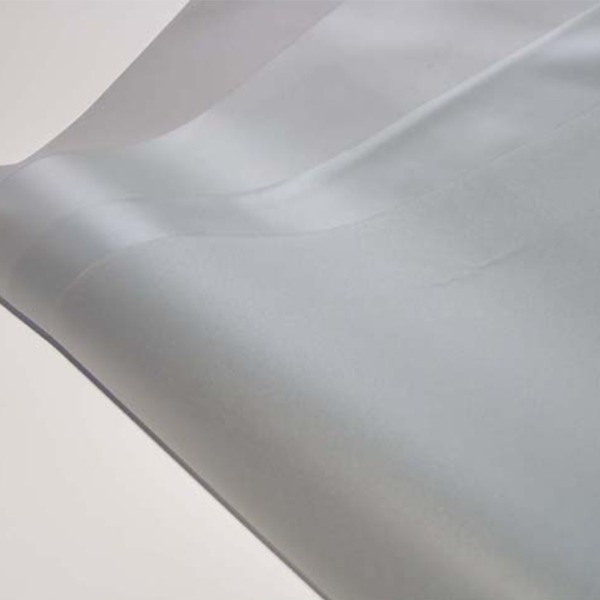
How Does Visual Effect Change With PVC Film Type?
The difference becomes clearer when printed material is involved. A clear covering tends to preserve the original appearance of a design. Red remains visually direct, dark lines remain defined, and printed words can be checked without much interference from the covering layer.
Translucent material changes that relationship. Colors may still show through, although edges become softer and smaller details can blend into the surrounding area. For some products, that is exactly the intended appearance.
Consider a card with a large background pattern and smaller printed information. A clear cover allows both parts to remain visible. A translucent cover can reduce the visual strength of the background pattern while still allowing light and general color to pass through. Whether that is useful depends on which information needs attention.
Surface appearance also changes with the underlying material. A clear film placed over a textured or heavily printed surface will preserve more of that original character. Translucent film can soften the visual complexity, giving the surface a quieter appearance.
Such differences are useful when considering covers, folders, labels, cards, and other products where the film becomes part of the finished appearance rather than simply acting as a protective layer.
Why Does Glare Matter When Choosing PVC Film?
Clear visibility can sometimes create another issue: reflected light.
A film placed under a ceiling lamp, beside a window, or near another bright surface may reflect light toward the viewer. Printed information can remain visible, yet reading becomes less comfortable because reflected brightness competes with the image underneath.
Glare depends on the surroundings as much as the film itself. Viewing direction, light position, surface condition, and background brightness can all change what the viewer sees.
A useful way to evaluate a film is to check it under the lighting where the finished product will actually be used. Looking at a sample only under soft indoor light may not reveal how it behaves near a window or another strong light source.
Translucent film offers a different visual balance because background information is already softened. It does not automatically remove glare, though the overall appearance can feel less direct when the surface underneath does not need to remain sharply visible.
For a Clear PVC Film Roll, clear viewing remains an important consideration, while surrounding light should be checked at the same time. For translucent film, the question shifts toward how much background information needs to remain visible and how much visual softness is acceptable.
Selecting between the two materials is therefore less about choosing a general level of transparency and more about deciding what the finished surface needs to communicate. A film that looks clear in isolation may not produce the desired result once printing, lighting, background color, and viewing conditions are brought into the picture.
How Does PVC Film Affect Privacy?
A clear covering makes it easy to see what sits underneath. For some products, that is exactly what is needed. An identification card, for example, may need certain information to remain visible during a normal check. A protective layer should not make the printed content difficult to read.
Privacy creates a different requirement. Not every part of a card or printed surface needs to be clearly visible from every direction. Some background patterns, personal details, or secondary information may not need the same level of visual exposure.
Translucent PVC film can provide a middle ground. Light still passes through, while information behind the surface becomes less distinct. A person may notice the general color or layout of a card without being able to read every small detail through the covering.
Such an effect can be useful when a product needs some visual separation. It is different from using an opaque covering, which blocks the view much more strongly. Translucent material keeps a connection between the surface and its surroundings without presenting everything underneath with the same clarity.
Privacy needs also depend on how the product is handled. A card carried in a wallet, displayed behind a holder, or checked at a counter may face different viewing conditions. A clear cover can make identification convenient, while a softer surface may reduce unnecessary visibility.
Material selection should therefore start with a simple question: which information needs to be seen clearly, and which information does not?
That question often gives a more useful answer than simply asking for the clearest film available.
Why Does Surface Appearance Matter?
A film becomes part of the finished product once it is applied. Its appearance can change how colors, printing, and background patterns are perceived, even when its main purpose is protection.
Clear PVC film tends to keep the original surface visually direct. A printed image remains recognizable, and colors underneath can continue to stand out. Such a result works well when the printed surface is an important part of the product.
Translucent film gives the same surface a softer character. Fine edges may become less noticeable, while larger colors and shapes can remain visible. A busy printed background may therefore appear calmer after a translucent layer is placed over it.
Surface appearance can matter in small details as well. Dark printing beneath clear film may look crisp, while the same printing beneath a translucent layer can appear slightly muted. Pale colors may also feel different because the film changes how background light reaches the viewer.
For product designers and manufacturers, checking the actual printed material is more useful than judging the film from a blank sample. A film that appears suitable on its own may behave differently over:
- Fine text
- Dark lines
- Large color blocks
- Detailed graphics
- Textured surfaces
- Layered printed designs
A finished sample can reveal whether the film supports the intended appearance. Such testing also helps prevent a common mistake: selecting material according to how the film looks before application rather than how the final product is expected to look.
Can A Clear PVC Film Roll Always Replace Translucent PVC Film?
A Clear PVC Film Roll and translucent PVC film can both serve as protective or covering materials, though replacing one with the other may change more than transparency.
Suppose a printed card is currently designed with a softer visual effect. Switching to clear film could make background graphics, small text, and surface details easier to see. That may sound like an improvement, yet greater visibility is not always the actual requirement.
The opposite can happen as well. Replacing clear film with translucent material may reduce the readability of information that needs to be checked during normal use.
| Consideration |
Clear PVC Film |
Translucent PVC Film |
| Light transmission |
Light passes through with a direct view |
Light passes through with a softer view |
| Visual effect |
Keeps more background detail visible |
Reduces visual sharpness of background details |
| Glare |
Reflections can be more noticeable over clear content |
Background is already visually softened |
| Privacy |
Information underneath is easier to see |
Some details can be visually reduced |
| Surface appearance |
Keeps printed colors and details relatively direct |
Gives colors and patterns a softer appearance |
| Typical use consideration |
Useful when content needs clear viewing |
Useful when some visual separation is desired |
No single choice fits every application. A clear film may be appropriate for a transparent card holder, a protective cover, or printed material that needs regular inspection. A translucent film may make more sense where light transmission matters while full background visibility is unnecessary.
Replacement should therefore be based on the finished product rather than the film alone.
Why Does An ID Card Cover Not Always Need To Be Fully Clear?
An ID card cover is often expected to keep information visible, which makes clear film a natural option. Yet an ID card has more than one visual requirement.
Some information needs to be checked quickly. Other parts of the card may contain background graphics, decorative patterns, or personal details that do not need to remain equally visible from every angle.
A fully clear cover can expose all of those elements with little visual separation. That can be useful for identification, though it may not suit every card design or handling environment.
PVC Film For Id Card can also be selected with a softer visual effect when the card does not need every background detail to remain sharply visible. A translucent cover can allow the general design and colors to remain noticeable while reducing the directness of the information underneath.
For example, a card may contain a large background pattern behind smaller identification details. Clear film preserves both with similar visual clarity. A translucent layer can soften the background pattern, making the overall card appear less visually busy. Whether identification text should remain under a clear area or be covered by a softer layer depends on the card design and its intended use.
Privacy can also influence the decision. A person may need to confirm that a card belongs to a particular holder without wanting every printed element to be immediately readable. A translucent covering can provide some visual separation while still allowing light through.
Fully clear is therefore a functional choice, not a universal requirement.
How Can Clear And Translucent PVC Film Be Compared For Different Uses?
A practical comparison should begin with the purpose of the covering. Asking how the finished product will be viewed usually gives more useful guidance than starting with the material name.
For applications where printed information must remain easy to inspect, clear film is generally easier to work with. A Clear PVC Film Roll can preserve the direct relationship between the viewer and the printed surface.
For applications where light transmission is useful while background detail can be softened, translucent film offers another approach. It can create separation without turning the covered surface into a fully blocked area.
Several points are worth checking before making a choice:
- Identify which information must remain clearly visible.
- Check whether privacy has a role in the product design.
- View a sample under the lighting used during normal operation.
- Place the actual printed material behind the film during testing.
- Check small text and large background graphics separately.
- Consider whether reflections affect reading or viewing.
- Compare the finished surface rather than the film alone.
Such checks are especially useful for ID card covers. A card needs to communicate certain information, yet it does not necessarily need every visual element to remain equally exposed. Clear and translucent PVC film provide different ways of balancing visibility, appearance, and privacy.
Material selection becomes easier when the intended viewing experience is defined before the film is chosen. Transparency is only one part of that decision; how much information should remain visible, how the surface should look, and how the product will be handled all have a place in the final choice.



 English
 русский
 Español
 عربى
عربى

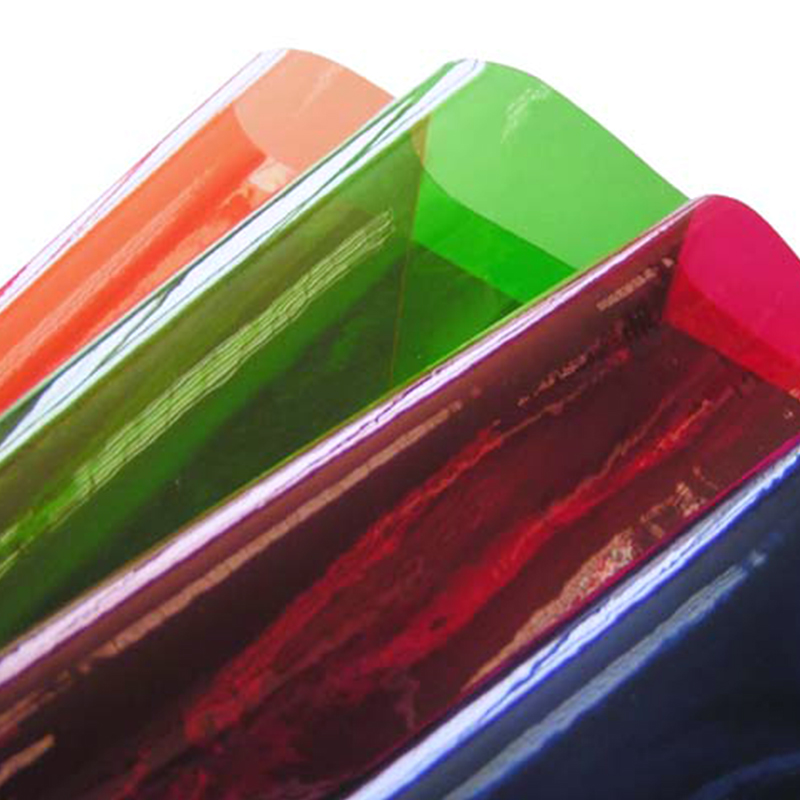
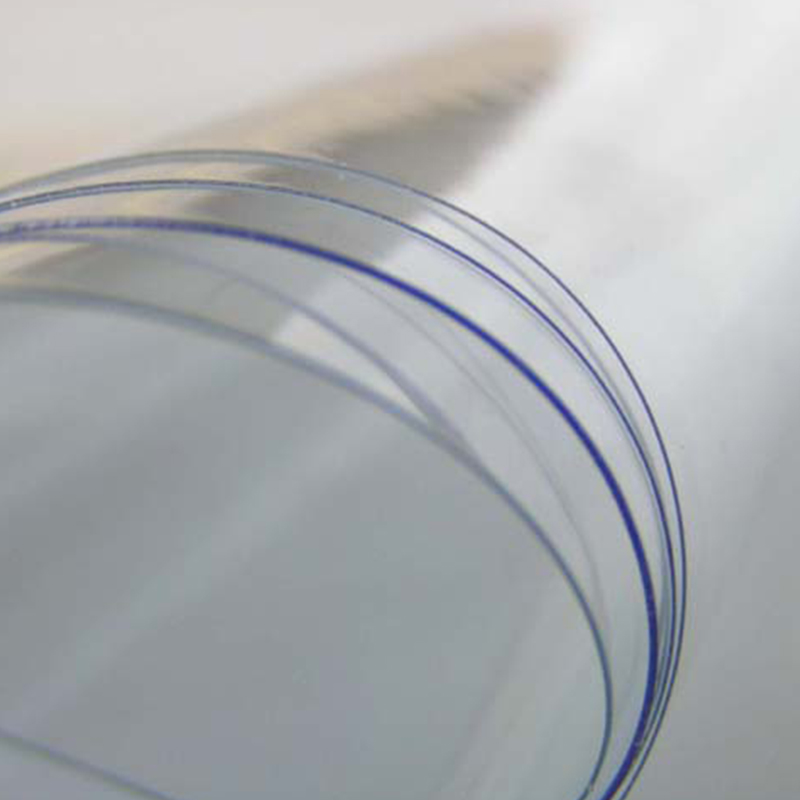 OverviewOur Super Clear PVC Film for tablecloths offers ultra-transparent protection while maintaining a sleek appe...
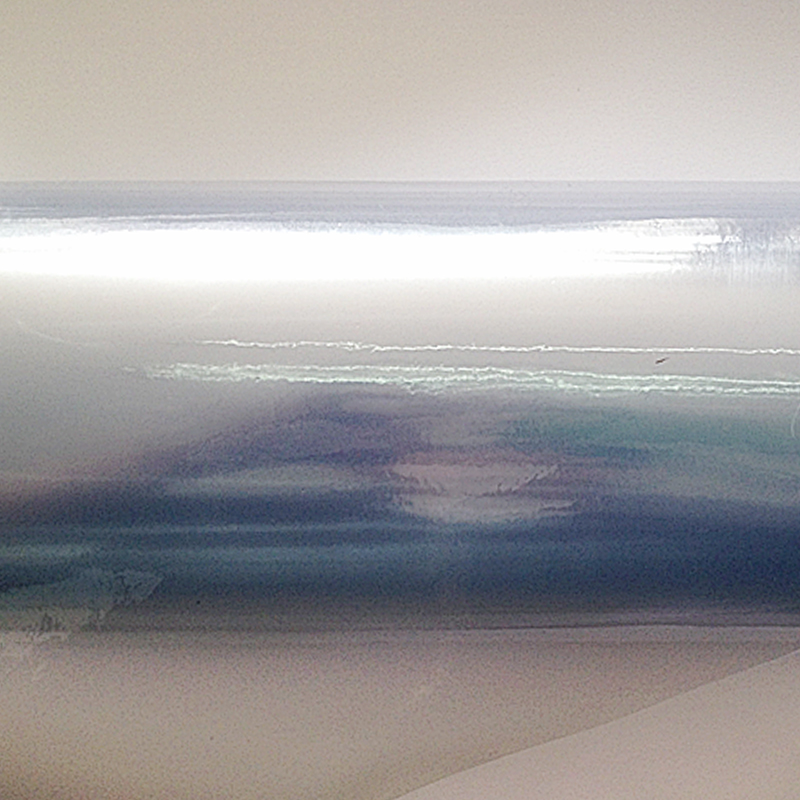 OverviewReliable clear PVC film featuring a powdered, non-sticky surface and slightly lower clarity. Normal Clear P...
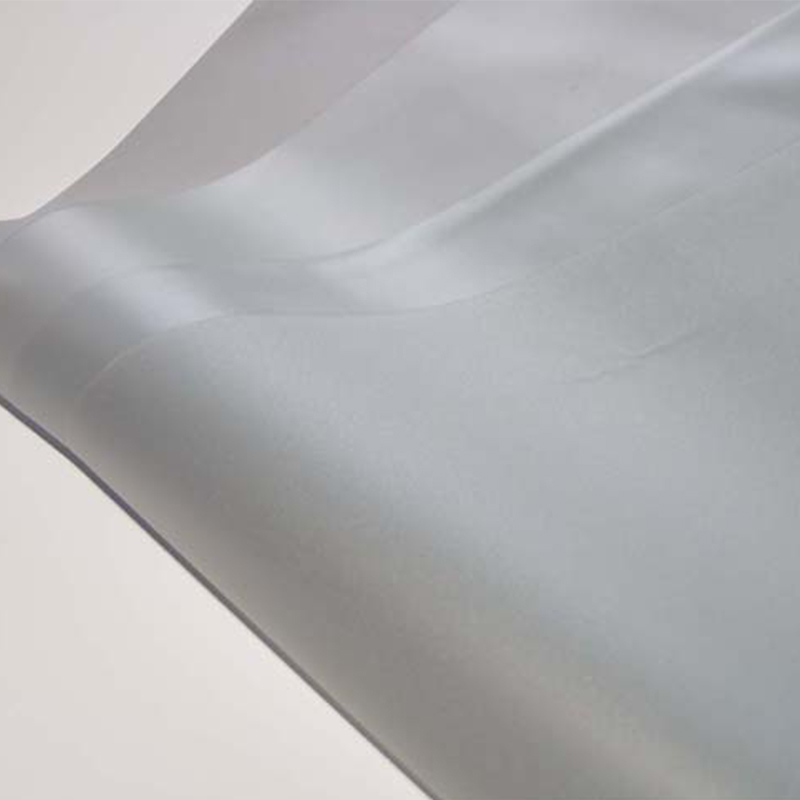 OverviewSemi-transparent PVC film with matte finish, delivering light diffusion and a refined tactile feel. Flexibl...
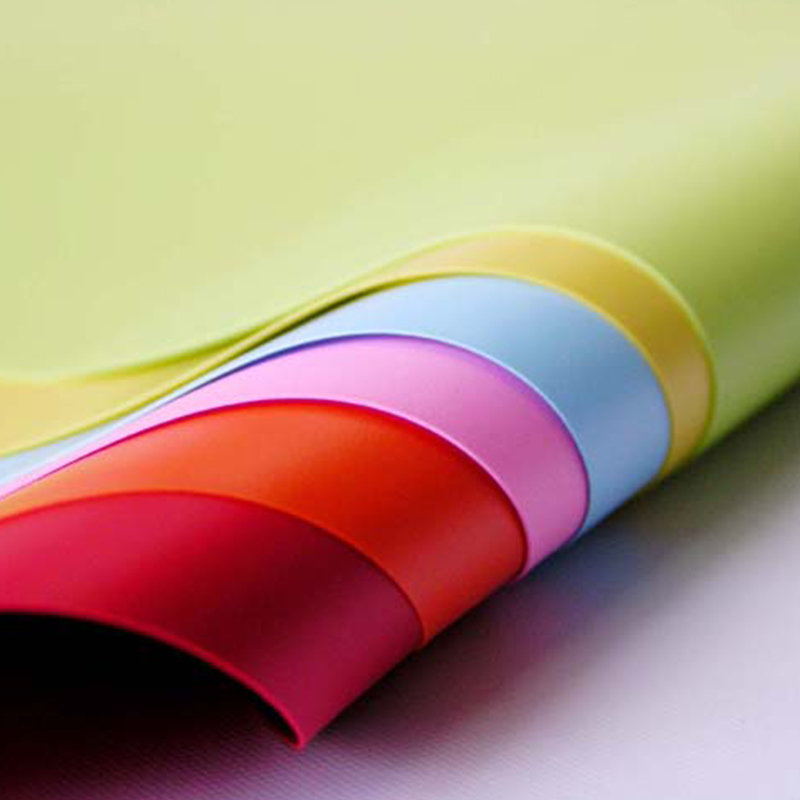 OverviewDecorative yet functional embossed PVC film combining color and surface texture for protective book covers....