Walk into a room finished with wood-look surfaces, and you might find yourself checking whether the material is genuine timber or something else. That moment of uncertainty speaks volumes about how far decorative films have progressed. Wood Grain PVC Film delivers a visual experience that closely matches natural wood—the flow of grain lines, the subtle color shifts, the depth that makes wood appealing.
The range of available patterns covers oak, walnut, maple, cherry, teak, and plenty of others. Each pattern undergoes careful reproduction so the printed result carries the distinctive character of the original species. Natural timber varies from board to board, sometimes dramatically. The film offers consistency across every square meter. That uniformity proves especially useful for large installations where visual harmony matters.
Color choices extend well beyond traditional wood tones. Manufacturers produce finishes in lighter bleached looks, darker charcoal-infused shades, and everything between. Some versions include wire-brushed or hand-scraped visual effects that add texture to the printed surface. Interior designers find plenty to work with, whether the project calls for rustic warmth or contemporary minimalism.
How Does the Material Composition Support Design Applications?
Behind the decorative surface sits a carefully engineered structure. Wood Grain PVC Film typically consists of several layers bonded together during production. The bottom layer functions as a bonding surface that accepts adhesives for application to various substrates. Above that sits the printed decorative layer carrying the wood pattern. A clear protective overlay covers the print, shielding it from wear and environmental exposure.
This layered construction gives the film its flexibility. Unlike rigid panels, the material bends around curved edges, corners, and profiled shapes without cracking or losing adhesion. Cabinet doors with routed details, furniture with rounded edges, and wall panels with intricate trim all accept the film readily. The material also holds its dimensions under normal indoor temperature fluctuations, so gaps or puckering do not develop over time.
Compatibility with different substrate materials expands its usefulness. Medium-density fiberboard, particleboard, plywood, and even metal surfaces accept the film with appropriate adhesive systems. That versatility means one product family works across multiple applications within a single interior project—from wooden cabinetry to metal shelving components.
Which Interior Elements Commonly Feature This Material?
Kitchen cabinets represent one of the familiar applications. Door fronts, drawer faces, and exposed end panels receive the film to create a cohesive wood look throughout the kitchen. The material handles frequent opening and closing without showing excessive wear along contact points.
Wall paneling systems take advantage of the film's ability to cover large surface areas efficiently. Feature walls in living rooms, hotel lobbies, and office reception areas benefit from the uniform grain patterns and color consistency. The film wraps around wall corners and architectural details that would challenge natural wood veneer.
Furniture manufacturing relies heavily on this material for shelves, tabletops, and storage units. Retail display fixtures and commercial joinery also use the film to achieve wood aesthetics at a practical cost point. Door skins for interior doors, wardrobe sliding panels, and decorative screens further extend the list of common applications.
| Interior Element |
Why Wood Grain PVC Film Fits Well |
| Kitchen cabinetry |
Consistent grain across all doors and panels |
| Wall paneling |
Seamless coverage of large wall areas |
| Furniture surfaces |
Wraps around curved and profiled edges |
| Interior doors |
Lightweight yet durable surface finish |
| Retail displays |
Repeatable pattern for branded store environments |
What Practical Advantages Drive Its Adoption in Design Work?
Application methods differ significantly from working with natural wood veneer. The film arrives ready to use—no sanding, no staining, no sealing before installation. That alone removes several steps from traditional wood finishing processes.
Several factors make the film practical for everyday interior work:
- Adhesive systems have been refined for straightforward bonding to prepared substrates. Some versions feature pre-applied adhesives activated by heat or pressure. Others use water-based or solvent-based glues applied to the substrate before the film is rolled into place.
- Turnaround times shorten noticeably because the film goes from roll to finished surface in a single workflow. No waiting for stains to dry or sealers to cure. Projects move faster.
- Waste generation stays low. Off-cuts and trim waste are minimal, and leftover pieces can often be used for smaller sections of the same project.
- The clean application produces no dust from sanding and no strong solvent odors from finishing products. That makes the material suitable for occupied spaces where occupant comfort matters.
How Does It Compare with Natural Wood in Interior Applications?
Natural wood carries inherent variability—knots, mineral streaks, sap pockets, grain irregularities. Some projects welcome these characteristics. Others prefer clean, uniform surfaces where pattern consistency takes priority. The film delivers exactly that. Every panel matches the next without surprises.
Consider these points of comparison:
- Cost: Cost differences vary by species. For expensive hardwoods like walnut or cherry, the film offers a practical alternative that captures the visual essence at a lower material expense. For common species like oak, the savings are less dramatic but still meaningful in large-volume projects.
- Maintenance: Maintenance requirements tend to be simpler with the film. No sealers to reapply. No stains to refresh. No periodic sanding to address scratches. Daily cleaning with standard household products keeps the surface looking clean.
- Durability: Durability in everyday use holds up well. The protective overlay resists staining and fading under normal indoor lighting. Moisture exposure does not cause swelling or delamination, unlike some natural wood products that react poorly to humidity changes.
Over the service life of an installation, these reduced maintenance demands translate into ongoing convenience. Property owners and facility managers appreciate not having to schedule periodic refinishing work.
Why Is Surface Durability a Key Consideration for Designers?
Surfaces indoors see plenty of action. People lean against walls. Furniture slides across floors. Cabinet doors get pulled open hundreds of times each week. Any material used for interior finishing has to survive that kind of treatment without falling apart or looking shabby after a short while.
Wood Grain PVC Film holds up reasonably well in these conditions because of the clear layer on top. That layer sits between the printed pattern and whatever comes into contact with the surface. Keys get dragged across a desktop. Rings scrape against a drawer pull. The top layer takes those marks, leaving the wood pattern underneath untouched. Coffee rings, sauce splatters, ink smudges—they wipe off without leaving traces behind.
Light creates its own set of problems for interior surfaces. Windows let in daylight. Overhead fixtures shine down for hours. Some materials fade unevenly, developing patches that look different from surrounding areas. The film resists that kind of color shift. Cabinets beside large windows keep their original appearance longer than many natural woods would. Hallways where people brush past constantly still look presentable after years of use.
Water causes headaches in certain parts of a building. Kitchens have steam and splashing. Bathrooms get humid after showers. Commercial kitchens undergo heavy cleaning routines. Natural wood in those spaces tends to swell at the edges, cup across the face, or separate at joints over time. The film handles moisture without those reactions. Edges stay flat and seams remain tight. That behavior makes the material a safer choice for rooms where water is present.
How Does Installation Efficiency Influence Material Choice?
How fast a job gets done often determines whether a contractor makes money or loses it. The film speeds things up in ways that experienced installers appreciate.
Adhesives have improved to the point where they work predictably on common substrates. Some products use heat to activate the bond—a warm roller does the job nicely. Others use pressure-sensitive coatings that stick as soon as they make contact. No complicated mixing. No waiting around for glue to cure. Just roll it on and move to the next section.
Cutting and fitting the material calls for nothing more than a sharp blade and a straight guide. That matters on site because lugging heavy equipment around wastes time and energy. No one wants to haul a jointer up three flights of stairs. Workshop work flows faster too. Cabinet makers wrap components before assembly, getting full coverage on every visible surface. Edge strips that match the film complete the look without extra steps.
What Environmental and Health Factors Come into Play?
Air quality inside buildings draws more attention than it used to. People spend their time indoors, and what's in the air affects how they feel. Materials that give off strong smells or harmful compounds cause problems for occupants.
The film doesn't produce much in the way of volatile emissions. The decorative layer comes already sealed from the factory. No staining on site. No solvents drying in occupied rooms. Building managers appreciate being able to carry out renovations without relocating everyone.
Material efficiency looks good from a resource standpoint. Making the film uses less raw material than cutting solid timber or peeling veneer from logs. Off-cuts are small and few. The production process turns more of the input into usable output compared to sawmilling.
Conserving wood species factors into decisions for some projects. Slow-growing hardwoods take decades to mature. The film lets designers achieve a similar look without drawing from those limited resources.
How Do Cost Considerations Shape Specification Decisions?
Money drives decisions in interior work. Clients have budgets. Contractors have margins. The film makes wood-look surfaces feasible on projects where solid timber would price itself out.
Premium woods cost a lot. Walnut and cherry don't come cheap. The film replicates their appearance at a fraction of the material cost. Large installations—hotel corridors, office floors, retail spaces—see significant savings over using real veneer.
Labor costs drop as well:
- Less time on site means lower payroll
- Installers don't need years of specialized training
- Fewer trades involved in the finishing process
- Less coordination between different teams
Long-term upkeep costs less too. No refinishing every few years. No expensive recoating treatments. Just regular cleaning keeps things looking right.
What Design Trends and Future Directions Support Its Continued Use?
People want interiors that look good without constant work. The film fits that description neatly. Wood remains popular because it adds warmth that plain painted surfaces lack. The film gives designers that warmth alongside practical durability.
Homeowners who have owned wood furniture know the maintenance involved. Sanding. Staining. Sealing. Repeat every few years. The film eliminates that cycle. Younger buyers especially seem drawn to finishes that don't demand their time and attention.
Retailers need consistency across many stores. The same wood look in every location builds brand recognition. Natural timber varies too much for that purpose. The film delivers identical results store after store.
Printing technology keeps getting better at reproducing natural patterns. New equipment captures finer grain details and more subtle color transitions. Textured surfaces add a tactile dimension that earlier films lacked.
Environmental considerations increasingly influence what materials get specified. The film uses resources efficiently and lowers demand for slow-growing timber species. Projects pursuing green certifications find these attributes match their goals.



 English
 русский
 Español
 عربى
عربى

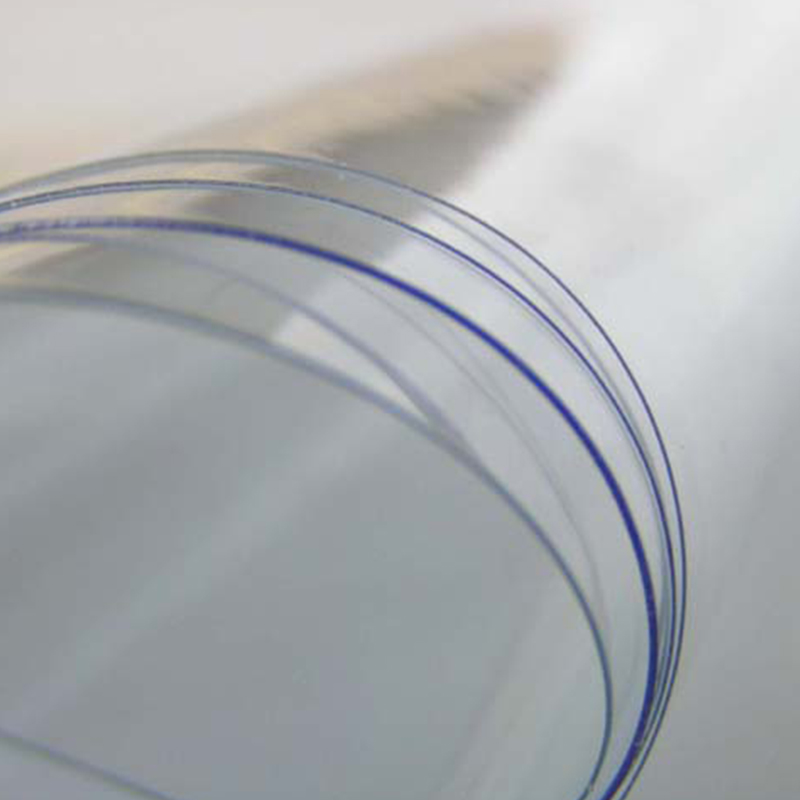 OverviewOur Super Clear PVC Film for tablecloths offers ultra-transparent protection while maintaining a sleek appe...
 OverviewReliable clear PVC film featuring a powdered, non-sticky surface and slightly lower clarity. Normal Clear P...
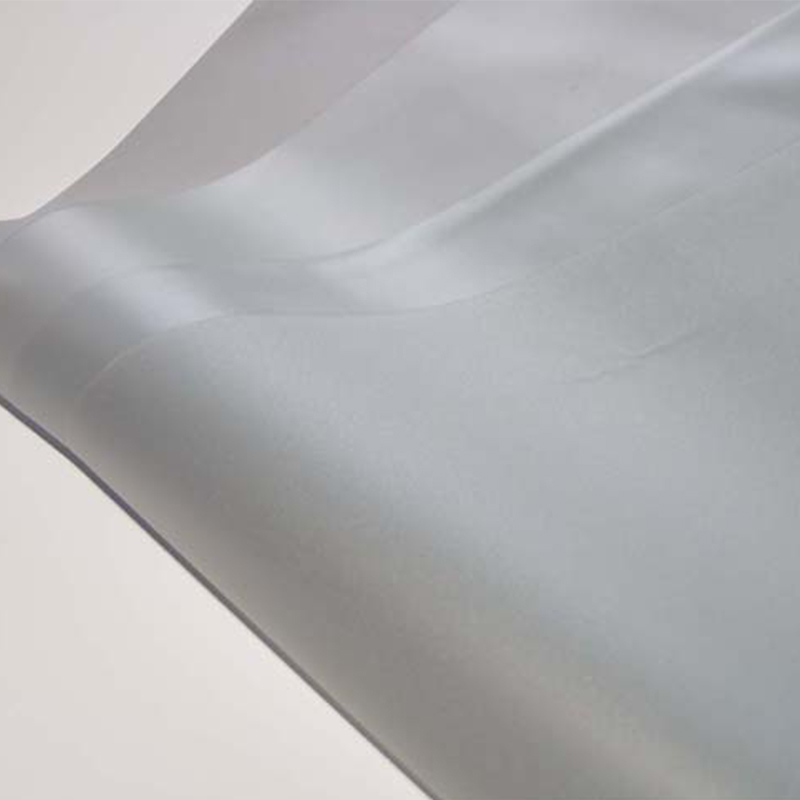 OverviewSemi-transparent PVC film with matte finish, delivering light diffusion and a refined tactile feel. Flexibl...
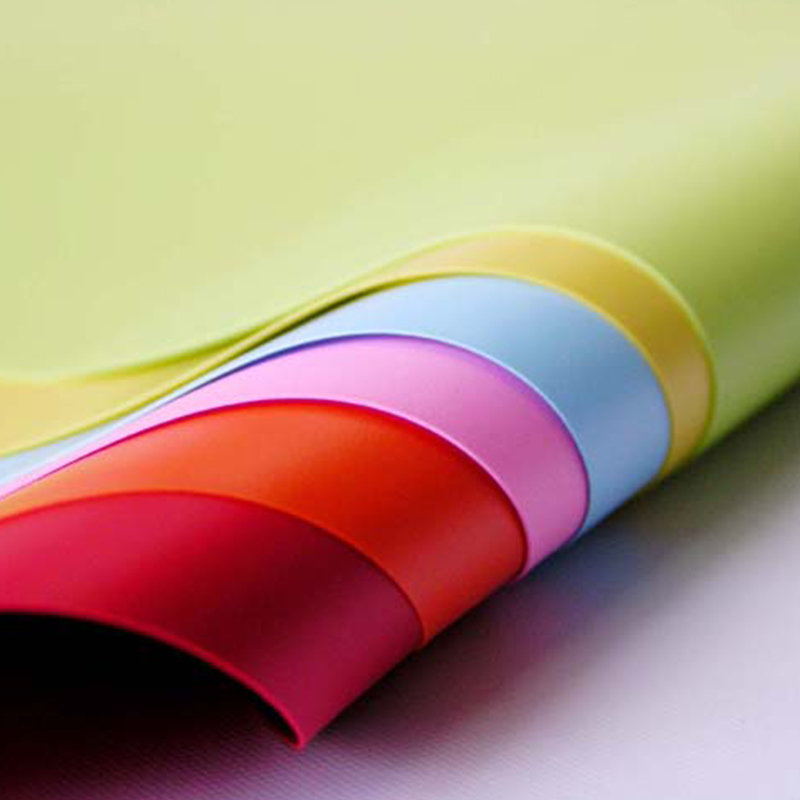 OverviewDecorative yet functional embossed PVC film combining color and surface texture for protective book covers....