What Exactly Is PVC Film for Luggage
Think of PVC film for luggage as the unsung hero protecting belongings across thousands of miles. This material is a thin, flexible sheet made from polyvinyl chloride that either wraps around finished suitcases or bonds to fabric during manufacturing. Some films serve as disposable armor, stretching tightly around checked bags to guard against scratches and moisture. Others become permanent fixtures, laminated onto polyester or nylon textiles to create durable outer shells for backpacks, duffels, and trolley cases. The versatility of PVC film for luggage explains its dominance in travel goods manufacturing across multiple continents.
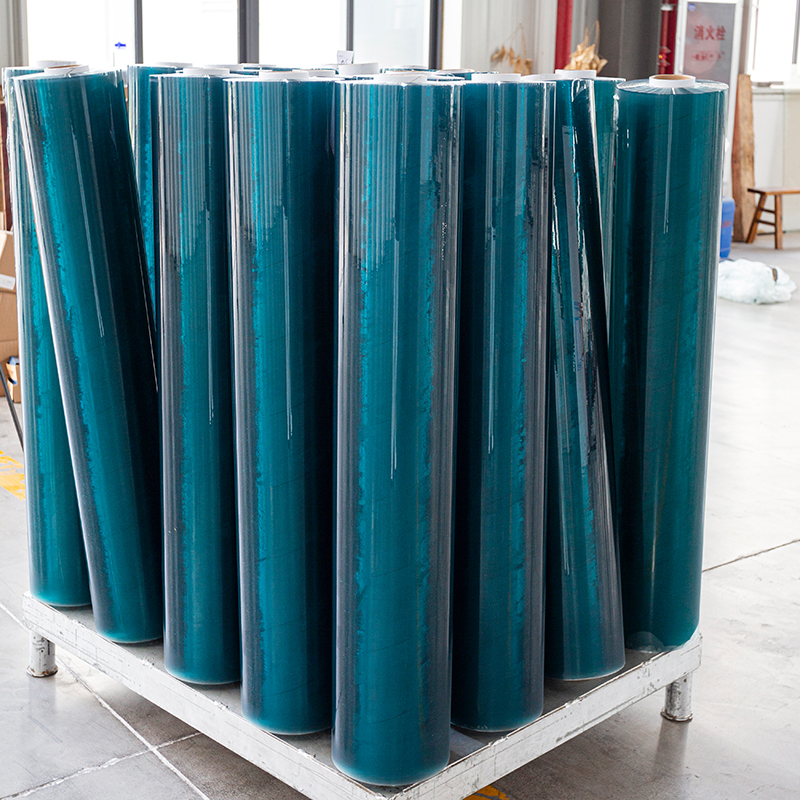
Airport Wrapping Applications
Travelers encounter PVC film for luggage visibly at airport wrapping stations. These machines encase suitcases in multiple layers of transparent film, creating tamper-evident seals that discourage theft during handling. The film clings tightly to irregular shapes, covering zippers, handles, and wheels completely. Passengers gain peace of mind during international flights through high-traffic terminals where baggage passes through numerous hands. However, this protection typically lasts only one journey as the film gets discarded upon arrival, contributing to single-use plastic waste streams that concern environmentally conscious travelers today.
Permanent Manufacturing Integration
Beyond temporary wrapping, PVC film for luggage plays a permanent role in bag construction processes. Manufacturers bond PVC film to woven polyester or nylon fabrics through heat lamination, creating composite materials with exceptional durability for daily use. The base fabric provides tensile strength while the PVC layer adds waterproofing, abrasion resistance, and easy cleaning with damp cloths. This combination produces luggage that withstands years of baggage handler handling, conveyor belt friction, and unexpected rainstorms during outdoor exposure. High-end models from established brands can last a decade with proper care and maintenance.
Material Composition Details
The production of PVC film for luggage involves precise formulations balancing flexibility with strength requirements. Typical recipes include PVC resin combined with plasticizers for softness, stabilizers for heat resistance during manufacturing, and pigments for consistent color across production runs. Fillers like calcium carbonate reduce material costs while titanium dioxide provides opacity for white films requiring full coverage. Advanced formulations incorporate UV stabilizers preventing sun damage during outdoor display and anti-microbial additives resisting mold growth in humid storage environments. Thickness ranges from thin films for lightweight applications to heavy-duty versions for rugged cases.
Surface Treatment Options
Surface variations expand the design possibilities for PVC film for luggage across different market segments. Embossing rollers create textured finishes mimicking leather grain, carbon fiber appearance, or geometric patterns for visual interest. Specialized processing creates fine parallel lines across the surface replicating the look of brushed metal for contemporary styling. Matte finishes resist fingerprints for professional appearance in business luggage while high-gloss options deliver striking visual impact on fashion-oriented pieces. These treatments add aesthetic value without compromising the protective properties that customers expect.
Performance Testing Standards
Quality PVC film for luggage demonstrates remarkable resilience across varied environmental conditions encountered during travel. Hydrostatic testing confirms resistance to water pressure equivalent to heavy rainfall, keeping contents dry during monsoons or baggage cart exposure. Abrasion tests verify resistance to scuffing and wear from repeated handling and conveyor contact. Temperature tolerance ensures flexibility in arctic cold and dimensional stability in desert heat without cracking or softening. These properties explain why airlines, military organizations, and outdoor enthusiasts trust PVC-constructed luggage for demanding applications worldwide.
Economic Considerations
The cost equation surrounding PVC film for luggage varies by application and market position. Frequent travelers spending regularly on airport wrapping quickly recoup investment by switching to durable PVC suitcases lasting multiple years. For manufacturers, PVC lamination offers affordable material costs compared to leather or advanced composites while maintaining professional appearance suitable for mid-range product lines. Developing nations increasingly source PVC luggage components from suppliers in industrial regions, making travel goods accessible to expanding middle classes across emerging economies.



 English
 русский
 Español
 عربى
عربى

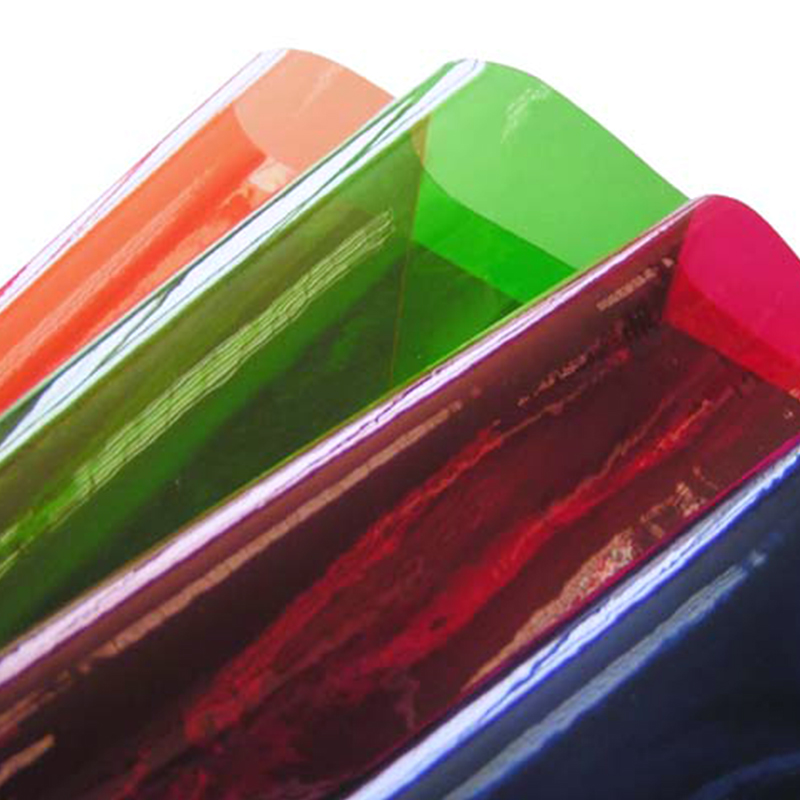
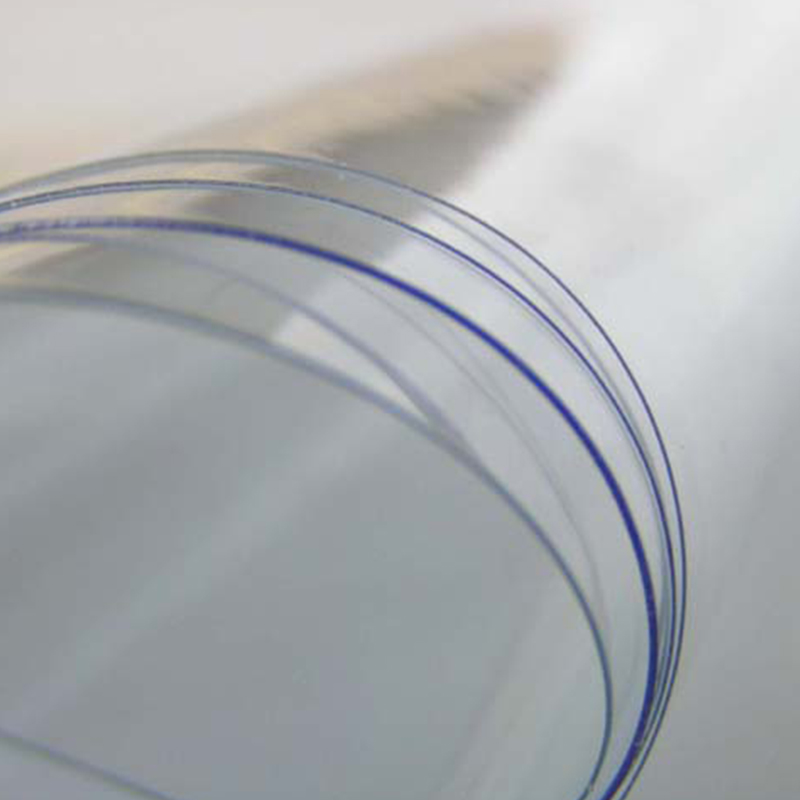 OverviewOur Super Clear PVC Film for tablecloths offers ultra-transparent protection while maintaining a sleek appe...
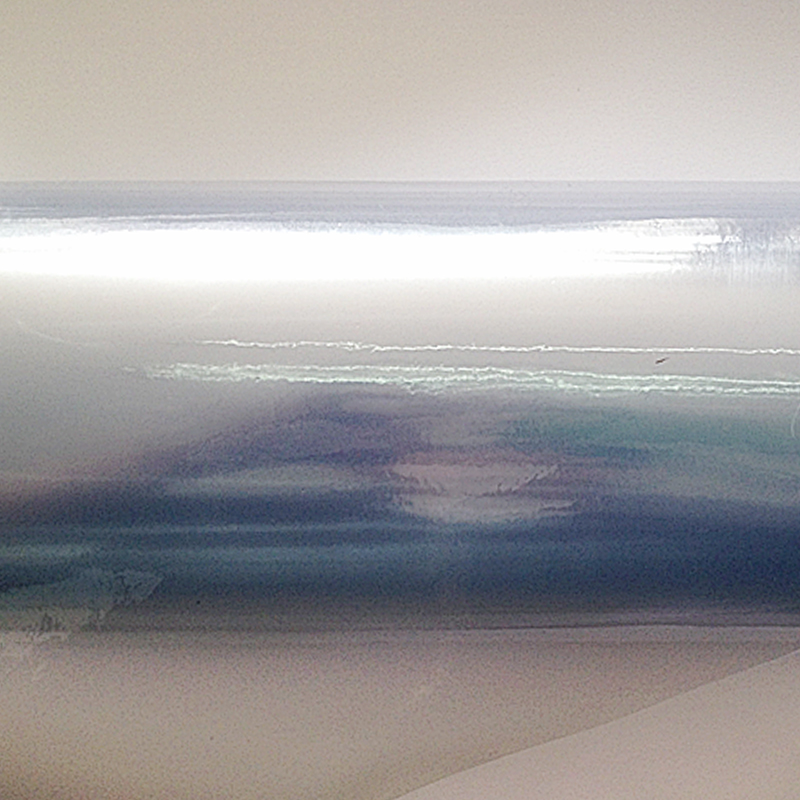 OverviewReliable clear PVC film featuring a powdered, non-sticky surface and slightly lower clarity. Normal Clear P...
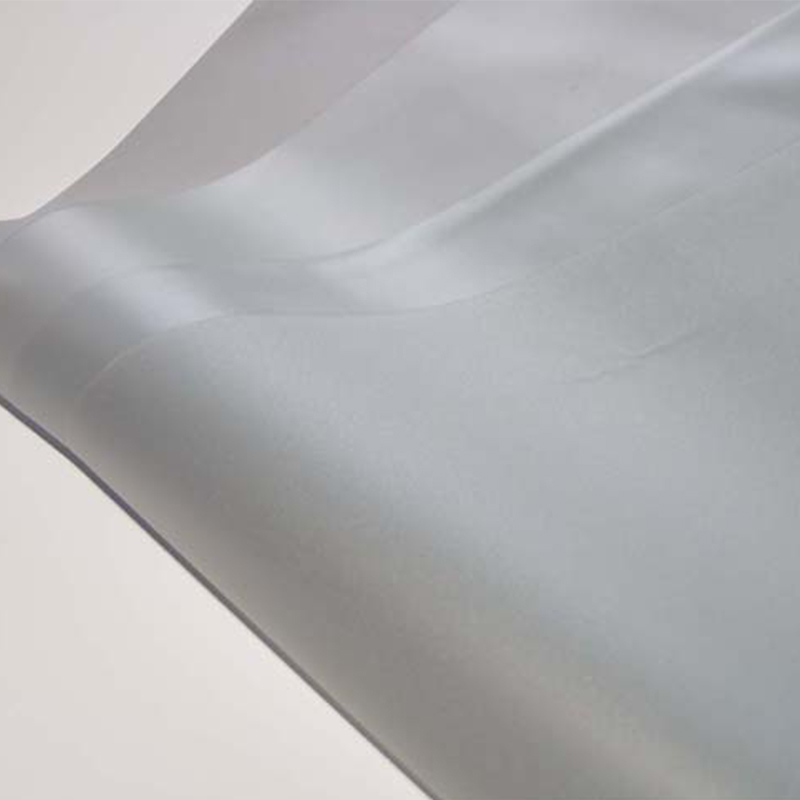 OverviewSemi-transparent PVC film with matte finish, delivering light diffusion and a refined tactile feel. Flexibl...
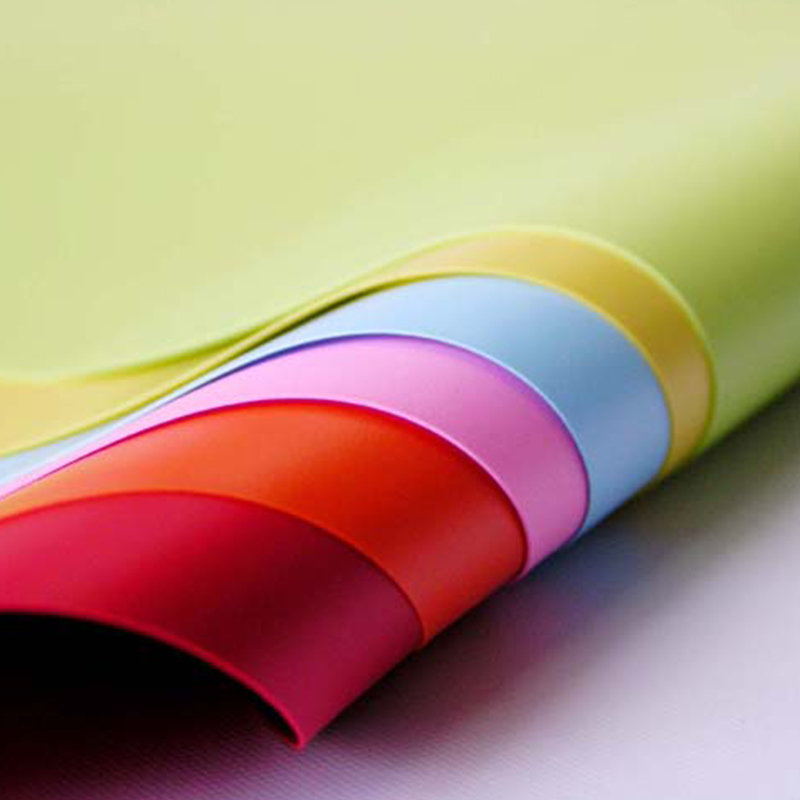 OverviewDecorative yet functional embossed PVC film combining color and surface texture for protective book covers....