Core Material Composition and Properties
PVC tape film refers to a pressure-sensitive adhesive tape where the backing or carrier is primarily composed of plasticized polyvinyl chloride. This film is engineered for specific characteristics: flexibility, durability, and resistance to environmental factors. The PVC compound is formulated with plasticizers to achieve a soft, conformable hand feel that allows the tape to wrap tightly around irregular shapes, cables, and bundles. It is inherently resistant to moisture, acids, alkalis, and corrosion, making it suitable for challenging environments. Furthermore, PVC tape film offers good electrical insulation properties and flame retardancy in many grades. Its elasticity allows it to stretch slightly during application, creating a tight, protective seal that will not loosen over time. These combined properties make it a versatile material for insulation, protection, and bunding across multiple industries.
Production Process: Calendering and Coating
The production of PVC tape film typically involves a calendering process. A precisely formulated PVC compound is fed through a series of heated, heavy rollers that melt and press the material into a thin, uniform film of exact thickness and width. This calendered film is then cooled on rollers. In the next critical stage, the film is coated with a pressure-sensitive adhesive on one side. The adhesive, often a rubber-based or acrylic formula, is selected for its tack, adhesion strength, and compatibility with the PVC backing. The coated film passes through a drying oven to remove solvents or cure the adhesive before being wound into large master rolls. A release liner may be applied to protect the adhesive during storage. This integrated process in a PVC tape film factory ensures consistent quality, adhesion performance, and roll integrity.
Primary Applications in Electrical and Industrial Sectors
PVC tape film is a staple in electrical and industrial maintenance due to its insulating and protective qualities. Its common application is as electrical insulation tape for wrapping wire splices, motor leads, and cable harnesses. The tape provides dielectric strength and protects connections from moisture and short circuits. Beyond pure insulation, it is widely used for color coding wires, bundling cables into looms, and protecting hoses or pipes from abrasion, corrosion, and weathering. In the automotive industry, PVC tape film secures wiring harnesses. In construction, it is used for sealing duct joints or protecting surfaces during painting. Its durability and environmental resistance make it indispensable for long-term, reliable performance in both fixed installations and repair work.
Specialized Variants and Enhanced Features
To meet diverse needs, manufacturers produce specialized variants of PVC tape film. Key types include:
- Electrical Insulation Tape: The standard variant, often in classic colors like black, white, and red, with specific dielectric and flame-retardant ratings.
- High-Temperature Tape: Formulated with heat-stable plasticizers and adhesives to withstand elevated temperatures without melting or degrading.
- Double-Sided PVC Tape: Features adhesive on both sides of the film, used for mounting, bonding, and assembly where a clean, foam-free bond is needed.
- Printed or Custom-Color Tape: Used for safety warnings, branding, or complex color-coding systems.
These variants demonstrate how the base PVC tape film can be tailored through formulation and manufacturing adjustments to solve specific engineering and safety challenges.
Quality Standards and Performance Testing
Given its critical roles in safety and reliability, PVC tape film is subject to stringent quality standards and performance testing. Relevant standards include UL 510 for electrical insulation tape and various ASTM methods. Key tests performed on PVC tape film measure dielectric strength (breakdown voltage), adhesion to steel (peel strength), tensile strength, elongation, flame resistance, and resistance to environmental aging (exposure to heat, cold, UV light, and moisture). Reputable manufacturers conduct these tests in-house and provide certification to assure industrial users that the tape will perform as required under specified conditions. This commitment to verifiable quality is essential for its use in regulated industries like electrical construction, automotive manufacturing, and aerospace.



 English
 русский
 Español
 عربى
عربى

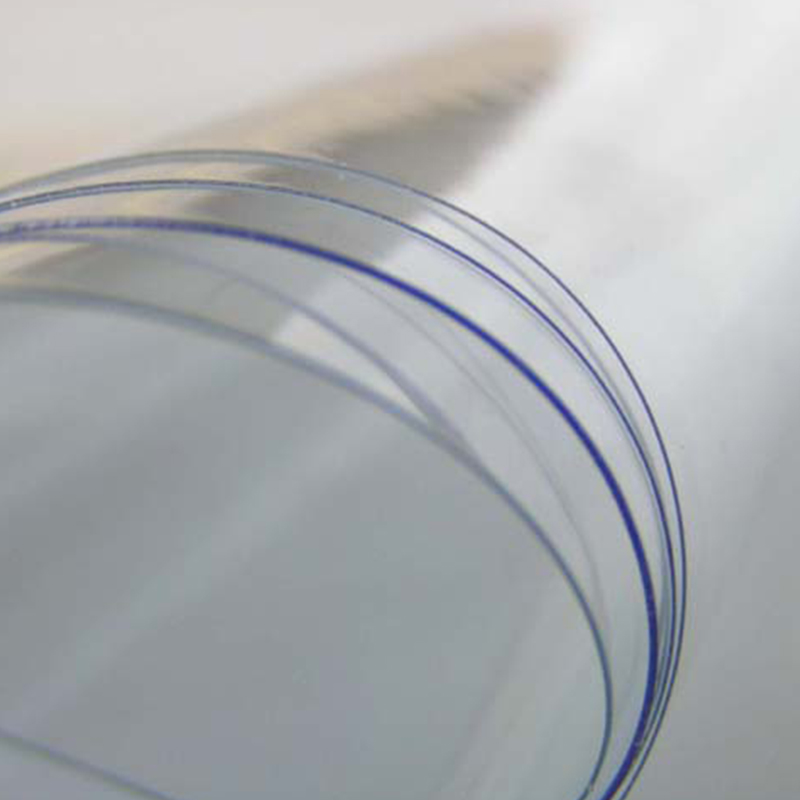 OverviewOur Super Clear PVC Film for tablecloths offers ultra-transparent protection while maintaining a sleek appe...
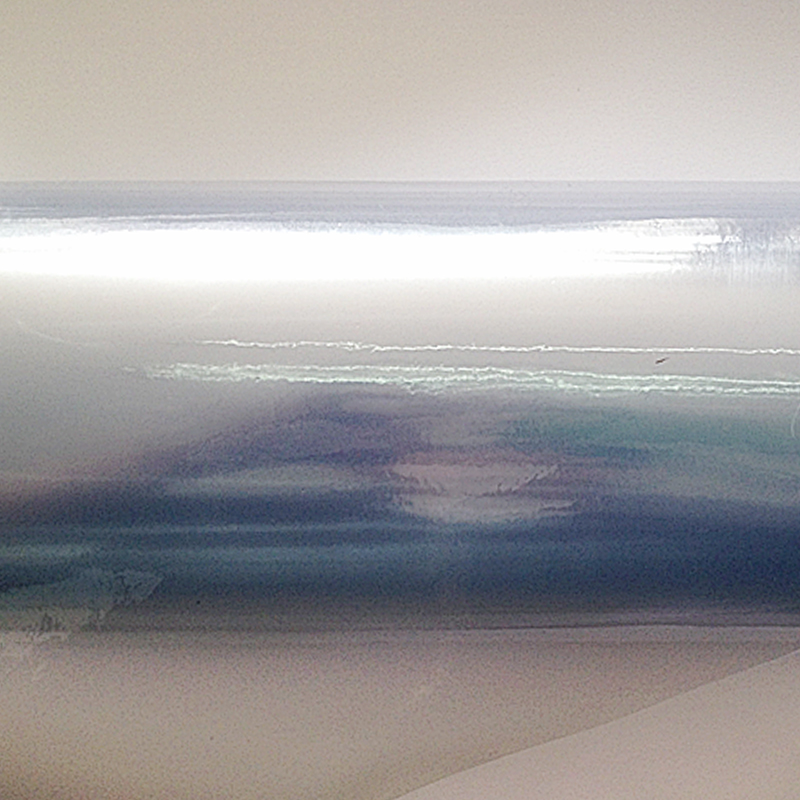 OverviewReliable clear PVC film featuring a powdered, non-sticky surface and slightly lower clarity. Normal Clear P...
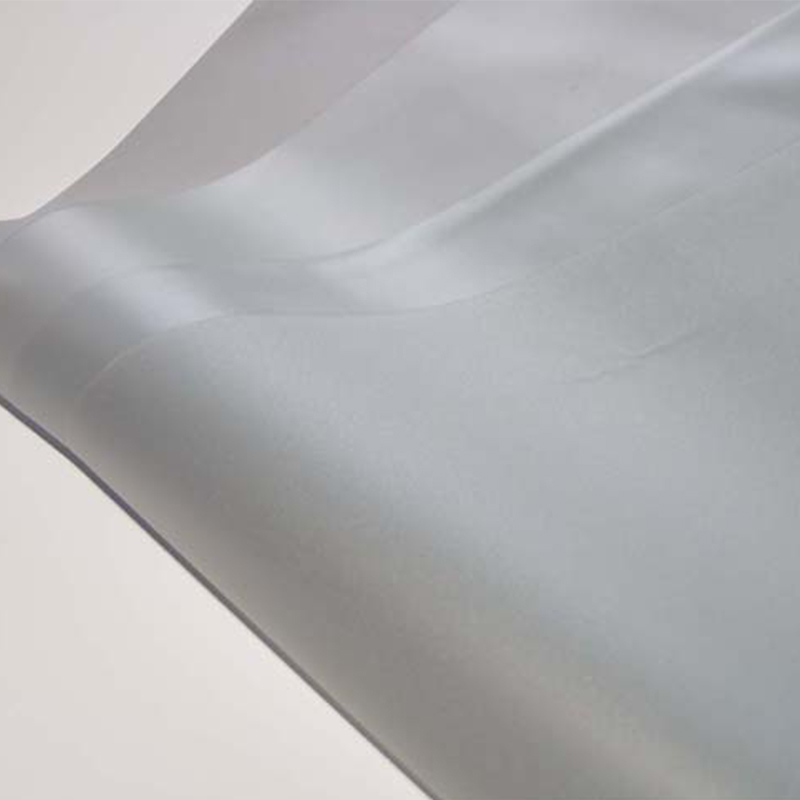 OverviewSemi-transparent PVC film with matte finish, delivering light diffusion and a refined tactile feel. Flexibl...
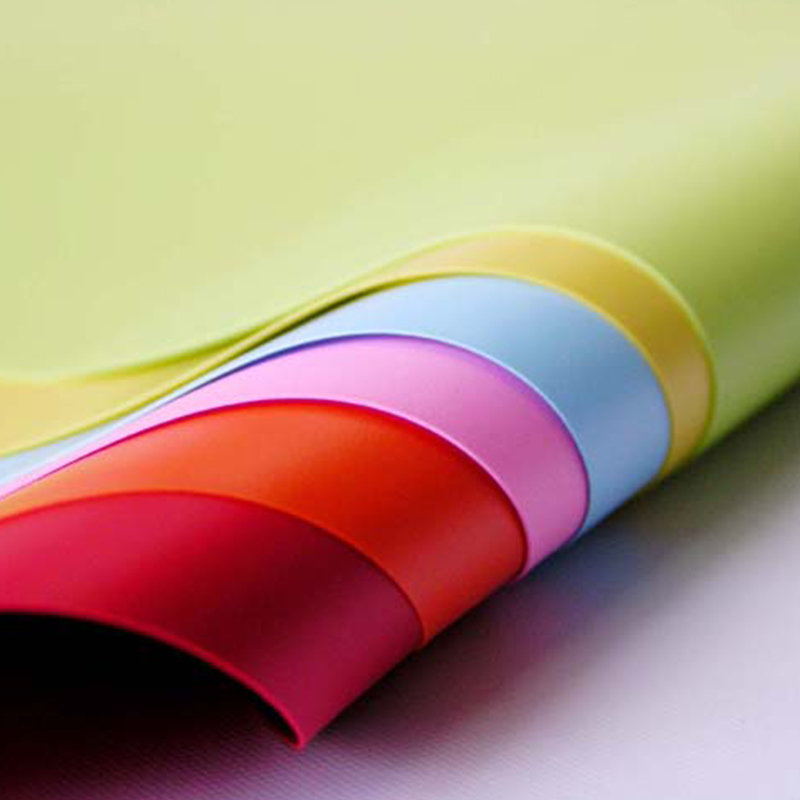 OverviewDecorative yet functional embossed PVC film combining color and surface texture for protective book covers....