Material Engineering for Durability and Aesthetics
PVC film for luggage is a high-performance laminate specifically engineered to meet the demanding requirements of modern travel gear. Its formulation extends beyond basic polyvinyl chloride to incorporate a sophisticated blend of additives. Plasticizers are carefully selected to achieve a balance of flexibility and toughness, allowing the material to withstand impacts without cracking. UV stabilizers are essential to prevent color fading and polymer degradation when luggage is exposed to sunlight during transit or storage. Additionally, the compound includes modifiers to enhance surface hardness, providing resistance to the scuffs, scratches, and abrasions encountered during routine airport handling and travel. The film is often produced with an embossed texture, mimicking more expensive materials like ballistic nylon or polycarbonate, while offering the significant cost advantages and design versatility of PVC film for luggage. This engineered approach ensures the material is not merely a covering but a functional component of the luggage's protective shell.
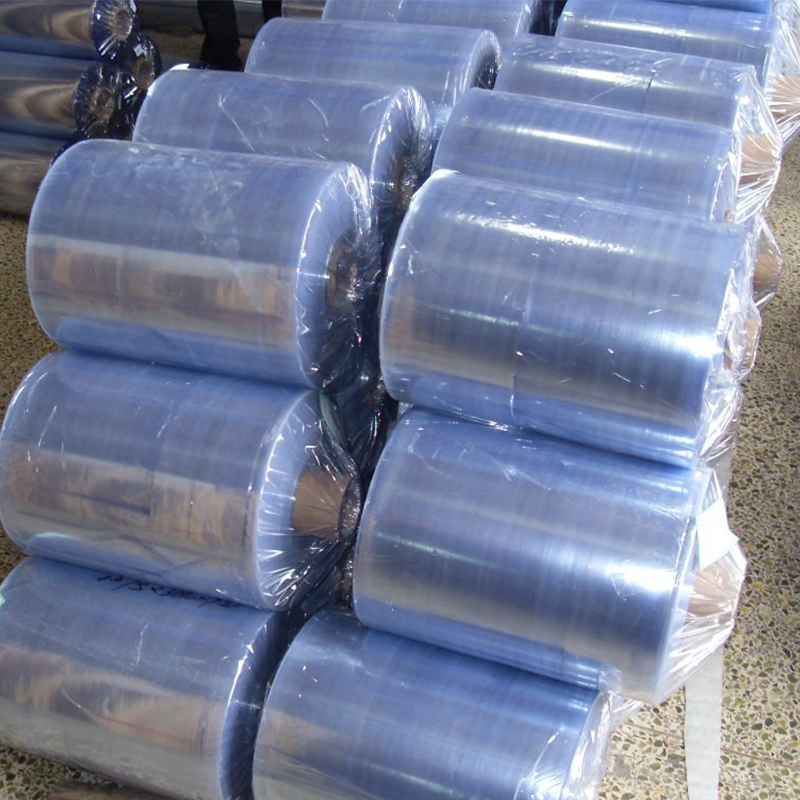
Lamination to Structural Substrates
The true functional purpose of PVC film for luggage is realized through its permanent bonding to a structural substrate. This lamination process is a critical manufacturing step that defines the luggage's integrity. For hard-shell suitcases, the PVC film is thermally bonded under high pressure to sheets of ABS (Acrylonitrile Butadiene Styrene) plastic. For soft-sided or hybrid luggage, it is laminated onto a woven fabric base, such as polyester or a blended textile. The quality of this adhesion is paramount; it must create a uniform, bubble-free bond that can endure flexing, compression, and temperature fluctuations. Specialized adhesives and precise control of heat and pressure during lamination ensure the PVC film for luggage becomes an inseparable part of a composite material. This composite provides the suitcase with its shape, impact resistance, and the crucial ability to protect contents from the physical demands of travel, transforming a decorative film into a structural skin.
Advanced Printing and Decorative Finishing
A primary advantage of PVC film for luggage is its exceptional suitability for high-quality graphics and branding, which is vital in a visually driven market. Manufacturers utilize advanced printing technologies such as rotogravure printing, which allows for vibrant, detailed, and durable multicolor designs, or increasingly, high-speed digital printing for short-run customization. The inks are specially formulated for adhesion, flexibility, and colorfastness. Beyond printing, the film undergoes various finishing processes. It can receive a glossy, matte, or soft-touch topcoat to enhance its feel and appearance. Metallic finishes, pearlescent effects, or specific textured patterns can also be applied. These decorative capabilities allow brands to use PVC film for luggage to create distinctive, eye-catching designs that establish product identity, convey quality, and appeal to specific consumer demographics, making aesthetics a core part of the material's value proposition.
Rigorous Performance Testing and Quality Assurance
Given that luggage is a product subjected to severe physical stress, PVC film for luggage undergoes a rigorous regime of standardized performance testing before being deemed suitable for production. These tests simulate years of travel abuse in a controlled environment. Key evaluations include abrasion resistance testing (e.g., using a Taber Abraser or Martindale tester) to measure surface wear; tensile and tear strength tests to ensure the film won't split under load; cold crack/flexibility tests at sub-zero temperatures to simulate airplane cargo holds; adhesion peel tests to verify the bond strength to the substrate; and accelerated weathering tests for UV and color stability. A reputable manufacturer provides certified test reports for its PVC film for luggage, giving luggage brands the confidence that the material will perform reliably and uphold the durability promised to the end-consumer, thereby protecting brand reputation.
Sustainability Trends and Evolving Material Innovation
The global shift towards environmental responsibility is significantly influencing the development of PVC film for luggage. While traditional PVC presents recycling challenges, the industry is actively pursuing innovations to reduce its environmental footprint. This includes research into bio-based plasticizers derived from renewable sources, formulations incorporating post-consumer or post-industrial recycled PVC content, and the development of alternative polymer alloys that maintain the performance characteristics of PVC while offering improved end-of-life recyclability.



 English
 русский
 Español
 عربى
عربى

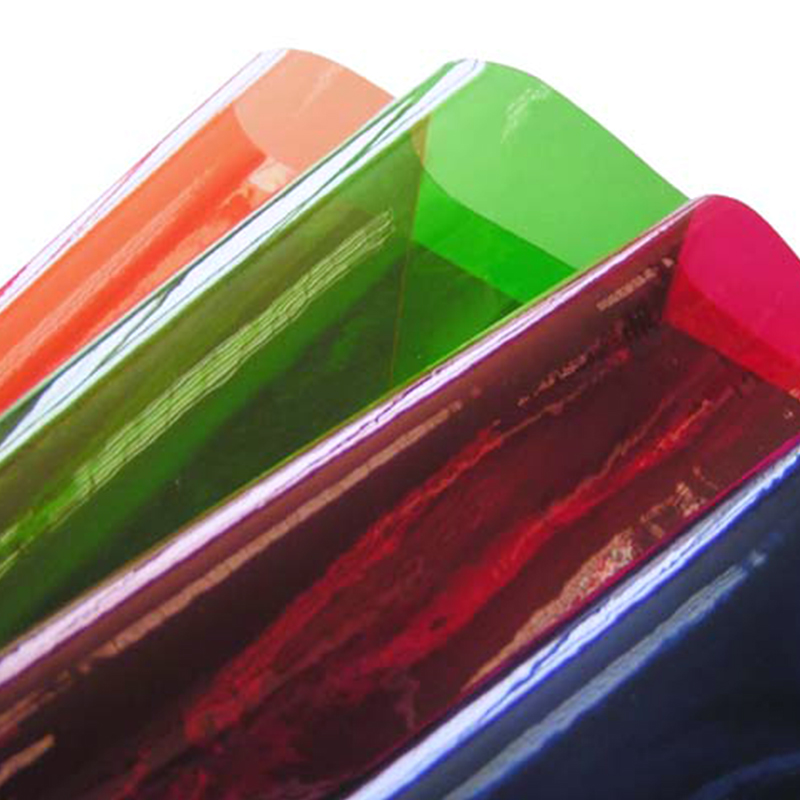
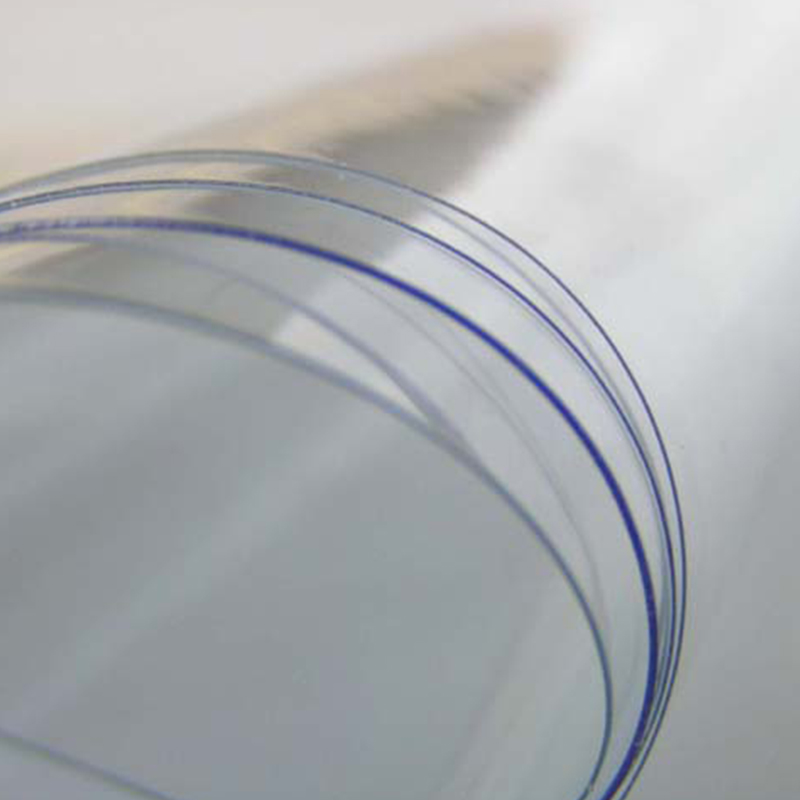 OverviewOur Super Clear PVC Film for tablecloths offers ultra-transparent protection while maintaining a sleek appe...
 OverviewReliable clear PVC film featuring a powdered, non-sticky surface and slightly lower clarity. Normal Clear P...
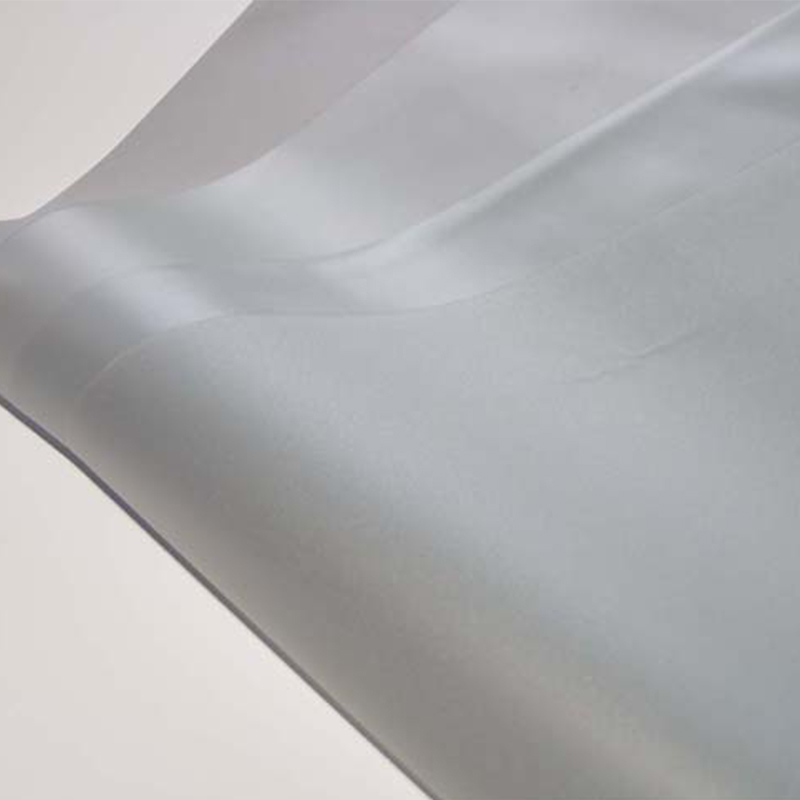 OverviewSemi-transparent PVC film with matte finish, delivering light diffusion and a refined tactile feel. Flexibl...
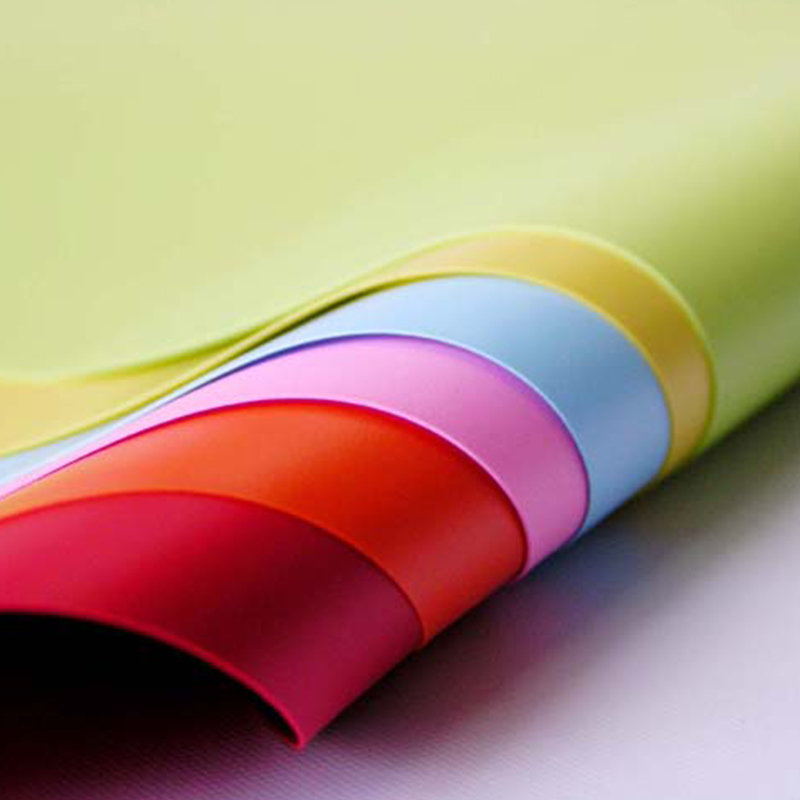 OverviewDecorative yet functional embossed PVC film combining color and surface texture for protective book covers....