

 English
 русский
 Español
 عربى


A product often makes an impression before anyone touches it or learns how it works. Its color, surface texture, finish and overall shape shape how people judge its quality and purpose. The materials on the outside also affect how the product performs in daily use. Flexible PVC film plays a part in both areas, pairing adaptable material properties with a wide range of surface design options.
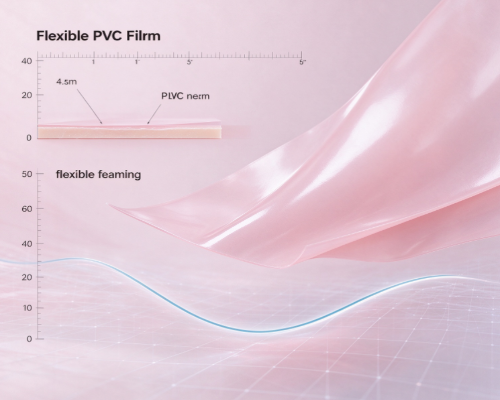
Flexible PVC film turns up in many products where flexibility, surface coverage and visual appeal matter. Depending on its formulation and processing, it comes in different levels of softness, transparency, color and surface texture. These qualities give product designers more ways to shape an item's appearance while keeping its practical needs in view.
Appearance and function are tied together. A decorative film helps a product fit a particular design style, but it also has to withstand handling, cleaning, bending or contact with other surfaces. A protective film serves a practical purpose and changes how the product looks and feels at the same time.
For manufacturers, choosing PVC film is more than a material decision. It's part of the wider process of building products that look right, do their job and meet the expectations of the people who use them.
How Does Flexible PVC Film Change the Visual Identity of a Product?
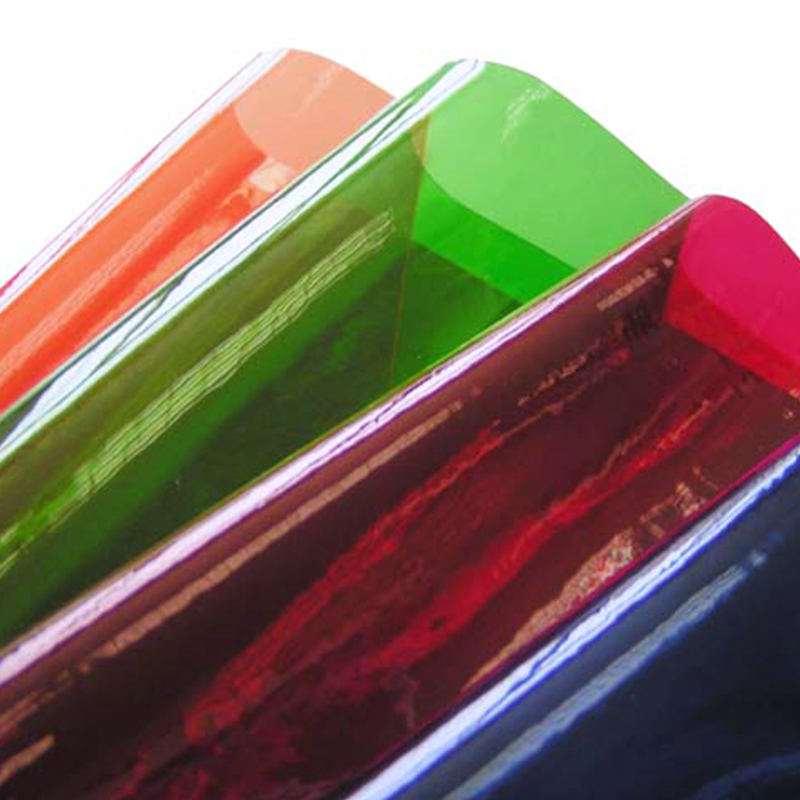
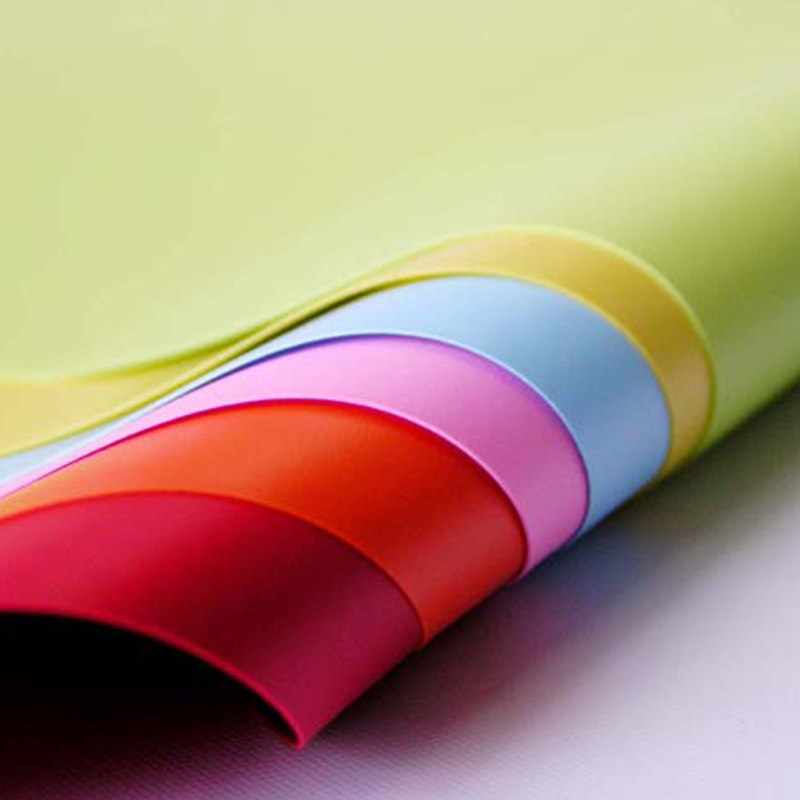
Color is one of the noticeable ways film shapes product appearance. Manufacturers pick films in different shades to match a product's intended style, surrounding environment or target market. A soft neutral suits a household item. A brighter finish helps a consumer product stand out on a retail shelf.
Color also changes how people read a product. Dark surfaces create a restrained, modern look. Lighter shades make an item look simple and clean. Transparent or translucent films keep the underlying material visible while adding a protective layer or a subtle visual effect.
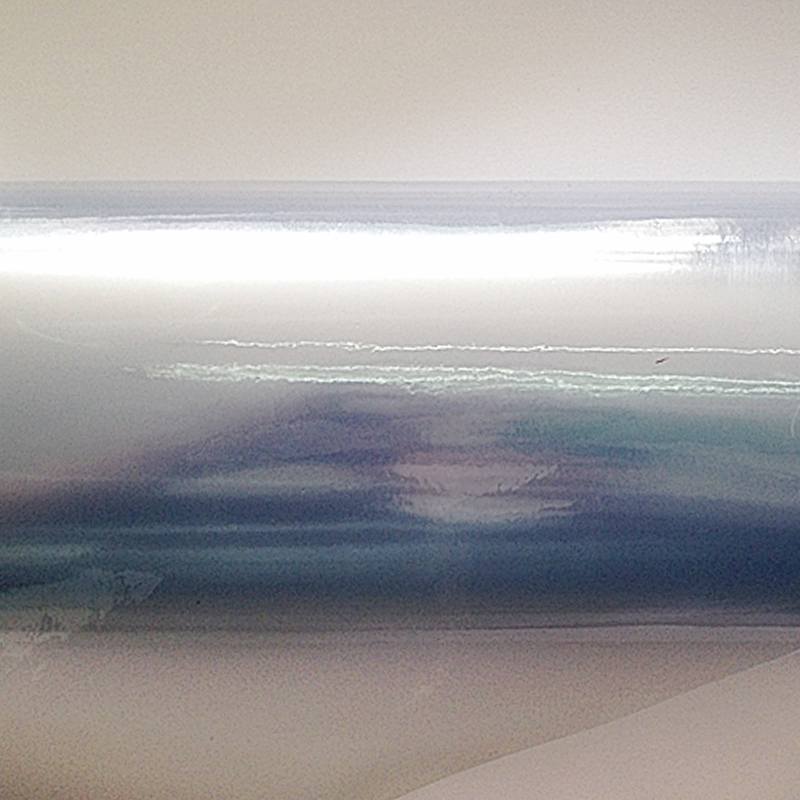
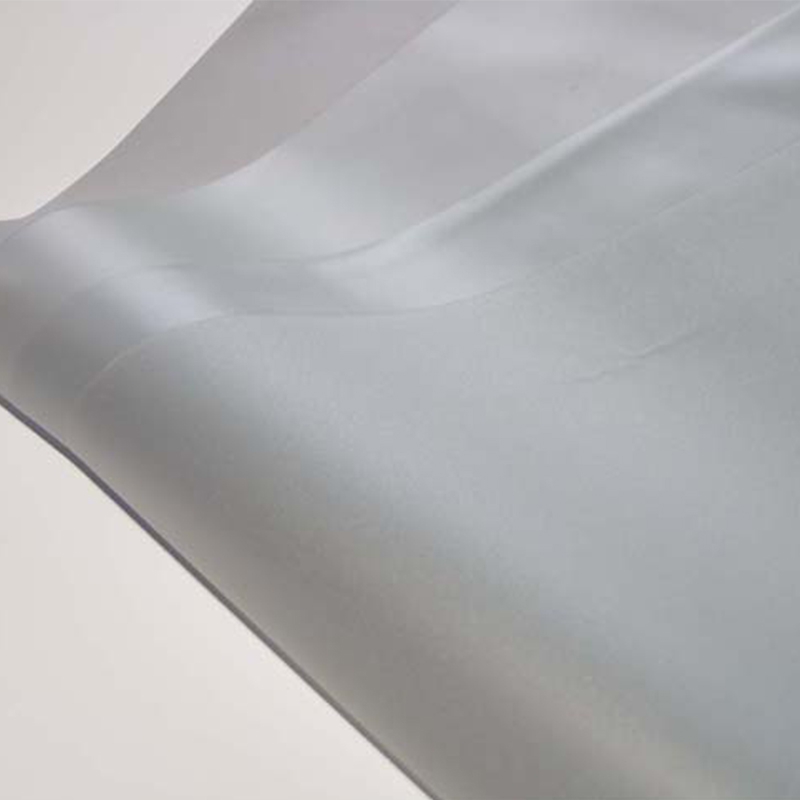
Surface finish adds another dimension. PVC film is made with a smooth, matte, glossy or textured look, depending on the application and manufacturing process. These finishes change how light plays across the surface and how the product looks under different lighting.
A glossy finish gives a sense of visual depth. A matte surface cuts reflections and feels more understated. Textured films open up another design option. They create a distinctive visual pattern and change how the surface feels to the touch.
These details matter because color alone rarely defines a product's appearance. Color, finish, transparency and texture combine to create a recognizable visual identity.
For product developers, film leaves room to explore these choices without redesigning the whole product. The film becomes part of the item's visual language and helps its look match its intended use.
The finish still has to suit the product's environment. A highly reflective surface is a poor fit where glare is a concern, and a textured surface needs more attention during cleaning. Visual decisions work better when practical use is part of the thinking from the start.
Can Flexible PVC Film Improve Both Surface Protection and Everyday Function?
Appearance attracts attention, but practical performance often decides whether a product stays useful over time. PVC film works as a covering or protective layer where the underlying surface needs extra support against ordinary handling.
Depending on its formulation and intended use, the film helps protect a surface from light abrasion, dirt, moisture or routine contact. It also forms a barrier between the underlying material and the surrounding environment. The level of protection varies with the film, the application method and the conditions the finished product faces.
Take a product that's handled often. Its surface gradually picks up marks, loses its original look or becomes hard to maintain. A suitable film reduces some of these effects and gives a consistent exterior finish.
PVC film also helps when the covered surface has curves or irregular shapes. Its flexibility lets it follow certain contours more readily than a rigid covering. That supports designs that need both surface coverage and a close fit.
The practical benefits depend on proper material selection. A film made for a decorative indoor product won't suit an item exposed to frequent moisture, strong sunlight or repeated bending. Adhesion, surface wear and cleaning requirements need weighing alongside appearance.
Protecting a surface is also different from making a product suitable for every environment. PVC film doesn't automatically make an item waterproof, scratchproof or resistant to all chemicals. Those properties depend on the material construction and the conditions of use.
For manufacturers, the goal is to match the film's capabilities to the product's real requirements. When protection and appearance are considered together, the covering adds to both the visual design and the experience of using the finished item.
How Does Flexibility Influence Product Shape and Design?
Product design balances visual form against practical constraints. A rigid material works well on a flat surface, but it's harder to adapt when the product has rounded edges, folds or curved sections. PVC film gives another option where a covering has to follow an object's shape.
Its flexibility supports designs with gentle curves, wrapped surfaces or components that move during use. Depending on the film's properties, it bends or conforms to a surface without needing a rigid structure of its own.
That's useful in products such as flexible covers, upholstery, decorative panels and certain packaging applications. The film helps create a continuous exterior across areas where a more rigid covering would need extra joints or separate pieces.
The look of these products depends partly on how the film fits the underlying shape. A suitable film follows the surface closely and preserves the intended design. An unsuitable choice produces wrinkles, loose areas or unwanted changes in appearance.
Designers therefore need to look past whether a film feels soft in the hand. They also need to know how it behaves when stretched, bent, attached and exposed to everyday use.
Different products demand different kinds of flexibility. A decorative covering follows a curved edge and then stays fairly stable once installed. A flexible component bends repeatedly without losing its intended shape. These applications call for different material choices.
The way the film is attached matters too. Surface preparation, adhesive compatibility and application methods all influence how evenly the material sits on the product. Even a suitable film misses the intended look if the installation process doesn't fit the design.
Flexible PVC film gives product developers extra freedom to explore shape and surface design. Its value depends on choosing a material that works with the product's geometry. Forcing the product to accommodate the covering gets it backwards.
What Role Do Transparency and Texture Play in Product Design?
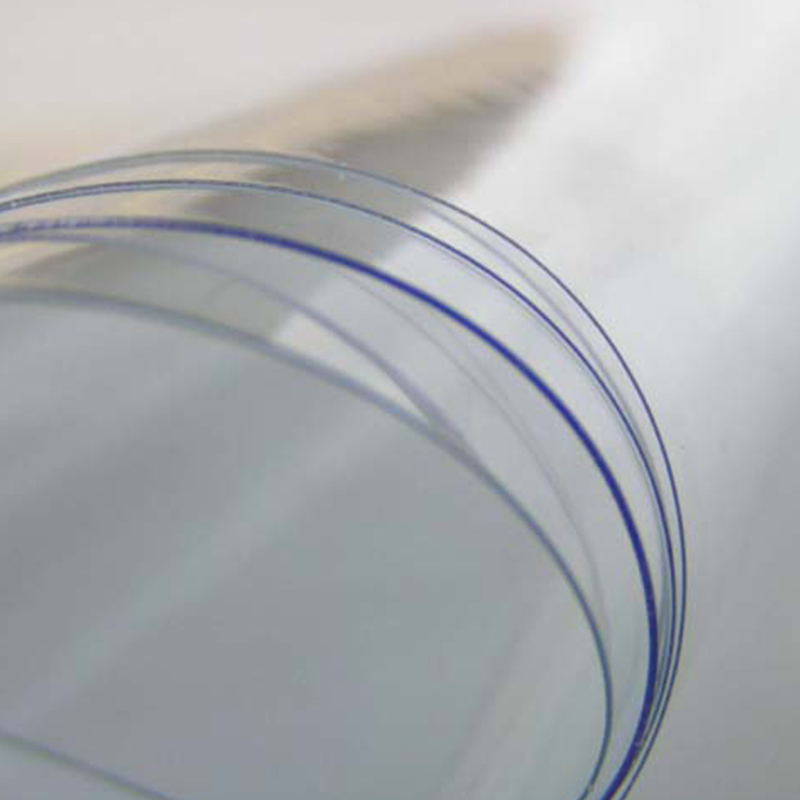
Not every product needs a fully opaque covering. In some applications, visibility is part of the function. Transparent or translucent film lets users see what lies beneath the surface while giving a distinct visual finish.
This helps in clear covers, selected packaging products, protective windows and other applications where viewing the contents matters. Depending on the intended use, the film preserves visibility, softens the look of the underlying surface or adds a colored effect.
Transparency also shapes how a product is organized and used. A clear covering keeps the contents of a container or storage item visible without removing the cover. In other cases, a translucent finish gives partial visibility and a more muted look.
The choice calls for attention to surrounding conditions. Scratches, dirt, surface distortion and changes in clarity all affect how well the underlying material shows through. A film that looks clear before installation behaves differently once it's stretched, curved or attached to another surface.
Texture brings a different set of possibilities. Embossed patterns and other surface treatments create visual depth and a more distinctive tactile experience. Depending on the pattern and application, they also help hide minor surface marks.
A textured film on an interior covering, for example, creates a surface that feels different from a smooth decorative panel. In consumer products, texture helps tell one design from another without leaning on color alone.
Texture also affects maintenance. Deep or intricate patterns collect dirt more readily than smooth surfaces. A finish that suits a decorative application isn't always practical for a product that needs frequent cleaning.
Designers need to think about how transparency and texture interact with the intended function. A clear film should give the required level of visibility. A textured film should support the desired appearance and handling experience. These choices shape the way people understand and use a product.
Why Should Manufacturers Consider Durability When Selecting Flexible PVC Film?
A product looks attractive when it leaves the factory, but its condition during regular use matters just as much. The film has to stay suitable for the environment where the product will be used.
Durability covers several different qualities. Resistance to everyday wear, the ability to keep flexibility, color stability and the capacity to hold adhesion can all matter. Which ones deserve attention depends on the product and its expected service conditions.
A film on an indoor decorative item faces fairly mild conditions. A covering used outdoors meets sunlight, changing temperatures, moisture and repeated handling. These differences influence material selection.
If the film doesn't suit its environment, the product develops problems such as fading, surface changes, cracking or peeling. Such changes hurt appearance and also interfere with the covering's intended function.
Cleaning is another factor. Some products get wiped down regularly. Others touch oils, cleaning agents or other substances. The film has to be compatible with the expected cleaning method. A finish that's easy to maintain under ordinary conditions won't tolerate every cleaning product.
The film's flexibility also has to stay appropriate throughout its life. A covering that bends during normal operation needs different properties from one that stays in a fixed position. Repeated movement puts demands on both the film and the way it's attached.
Manufacturers assess these needs by looking at the product's complete use environment. Appearance or initial softness alone isn't a reliable guide. Reviewing material information and running application-specific testing helps catch problems before production decisions are final.
Durability also affects the relationship between the covering and the underlying product. A film that loses adhesion or changes shape leaves gaps, wrinkles or exposed areas. These issues reduce the visual consistency of the finished item.
Selecting a suitable film means thinking about how its appearance and functional properties will hold up under expected conditions. The aim is a material that stays appropriate for the product's intended role through its normal use.
How Does Flexible PVC Film Support Different Industry Applications?
PVC film serves a range of applications because its properties are adjustable to different design requirements. A packaging product has different needs from a decorative covering or a flexible component. Material selection has to reflect these differences.
Packaging is one area where appearance and function often overlap. The film helps present a product, cover its contents or provide a flexible outer layer. Color, transparency and surface finish influence how the package looks, while flexibility and suitability for the intended environment affect its practical use.
In interior products, film goes on selected surfaces, coverings or decorative components. Its visual qualities help coordinate colors and textures across a space. Its flexibility also suits certain curved or shaped surfaces.
Consumer goods offer another set of possibilities. Product developers use flexible film as part of a cover, an exterior layer or a decorative element. The material helps create a particular look while giving surface coverage suited to the application.
Industrial uses put more weight on practical requirements. A flexible covering might need to fit around a component, tolerate routine handling or support surface protection. Appearance still matters there, but compatibility with the working environment becomes the central consideration.
The table below shows how design priorities vary by application.
| Application | Appearance considerations | Functional considerations |
|---|---|---|
| Flexible packaging | Color, transparency, print appearance | Flexibility, suitability for contents, handling needs |
| Interior coverings | Texture, finish, color coordination | Surface wear, cleaning, fit |
| Consumer products | Visual consistency, tactile qualities | Handling, flexibility, surface protection |
| Protective covers | Clarity, surface finish | Coverage, environmental suitability, durability |
| Decorative components | Color matching, patterns, texture | Adhesion, shape conformity, maintenance |
These categories are broad, not universal. Requirements vary within each industry, and not every PVC film suits every application. Packaging that touches food, for example, faces specific material and regulatory requirements. Don't assume a general-purpose film is suitable for that use without proper confirmation.
The same principle holds for products exposed to outdoor conditions or specialized cleaning processes. Manufacturers need to evaluate the finished application, including any relevant safety and compliance requirements, before choosing a material.
Understanding the product's purpose narrows the options. It also makes it easier to balance appearance, usability and production needs, without treating any single material property as the deciding factor.
What Should Product Developers Evaluate Before Choosing Flexible PVC Film?
Selecting film is a design decision that touches the finished product in several ways. A clear set of requirements lets manufacturers compare materials by intended use. Choosing a film just because it looks right is a weaker approach.
Start with the product's main purpose. Does the film need to provide a decorative surface, protect an underlying material, allow visibility or bend repeatedly in use? Some products need several of these functions at once.
The expected environment matters just as much. Indoor products, outdoor coverings and items cleaned often need different material properties. Exposure to sunlight, moisture, temperature changes and cleaning agents all influence how a film performs.
Think about product shape too. Flat surfaces are fairly straightforward to cover. Curved edges and irregular forms make application more demanding. The film has to suit the shape without creating wrinkles, tension or gaps.
Manufacturers also need to consider how the film will be processed and attached. Cutting, forming, printing, laminating and bonding methods all influence the finished look. Compatibility between the film and other product materials affects adhesion and long-term stability.
A practical evaluation covers these questions:
- What appearance should the product have?
Define the desired color, texture, transparency and surface finish before comparing available films.
- How will the product be used?
Consider handling, bending, cleaning and other activities that affect the covering.
- Where will the product be used?
Identify environmental conditions that influence the film's appearance or function.
- How will the film be applied?
Review the product's shape, attachment method and manufacturing process to spot compatibility issues.
- What requirements apply to the finished product?
Check relevant safety, material, labeling and regulatory obligations for the intended market and application.
These questions keep the focus on the product. They also help different teams work toward the same goal. Designers define the desired appearance, production teams assess processing needs and purchasing teams compare material options against established requirements.
Flexible PVC film influences both how a product looks and how it functions. Its color, finish, transparency, flexibility and surface characteristics create design opportunities, while its fit with the intended environment decides how useful those qualities turn out to be. When manufacturers weigh these factors together, material selection becomes a more informed part of product development.