

 English
 русский
 Español
 عربى


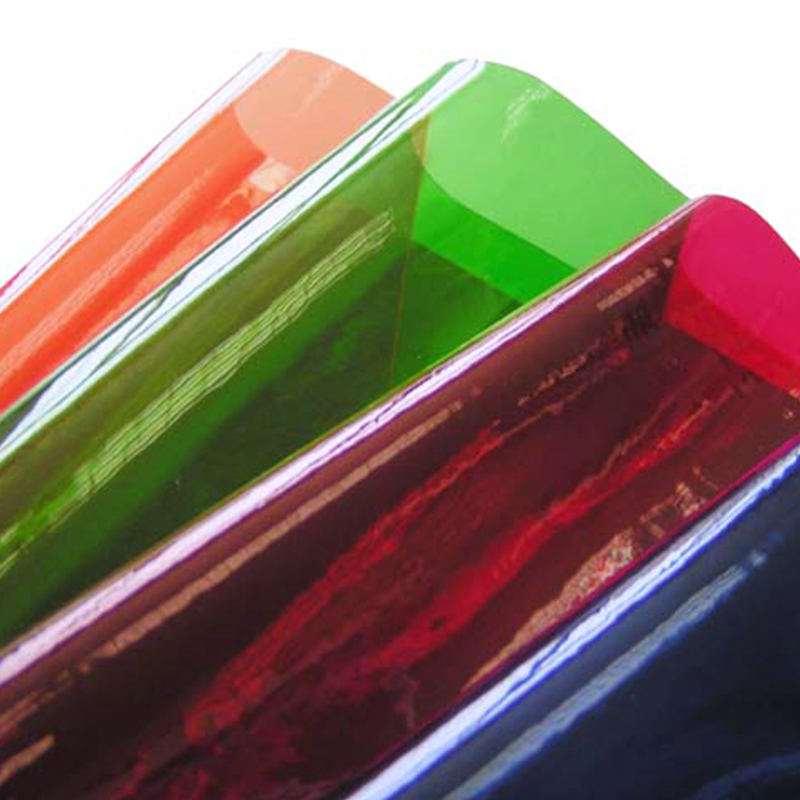
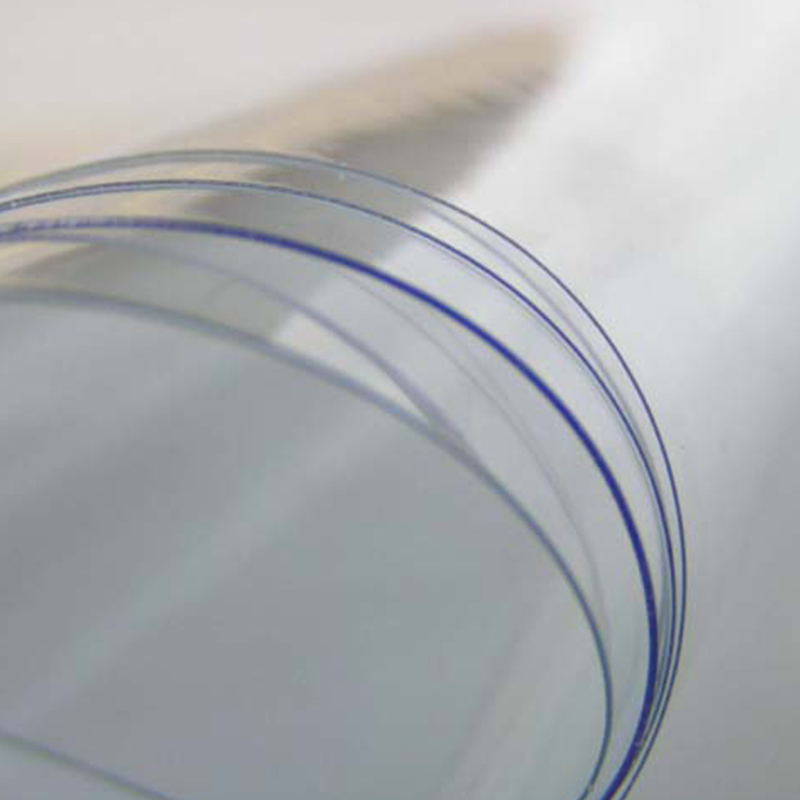
Super clear PVC film is a transparent plastic material used in packaging, product displays, protective covers, stationery, and many other applications. Its main feature is its clear appearance, which lets people see objects through the material while still providing a flexible surface for protection or product design. Depending on its formulation and processing method, the film can also offer useful flexibility, durability, and ease of fabrication.
As manufacturers and product designers look for materials that combine visibility with practical function, super clear PVC film continues to serve a wide range of industries. It can be supplied in rolls or processed into finished components. Some products are designed for packaging, while others get used for display windows, document covers, curtains, and protective layers.
Although the material may look simple, its performance depends on several factors. Raw material selection, production methods, thickness consistency, surface quality, and intended use all shape the final product. Understanding these characteristics helps buyers select suitable film and gives manufacturers a clearer basis for product development.
What Is Super Clear PVC Film ?
Super clear PVC film is a transparent sheet material made from polyvinyl chloride, commonly known as PVC. It's designed to provide a clear view of objects behind the film while retaining the useful properties of a plastic material. These properties can include flexibility, resistance to everyday handling, and the ability to be cut or shaped for different purposes.
PVC shows up in many forms across industrial and consumer products. Its properties can be adjusted through formulation and processing. This lets manufacturers produce films with different levels of flexibility, surface feel, and physical performance.
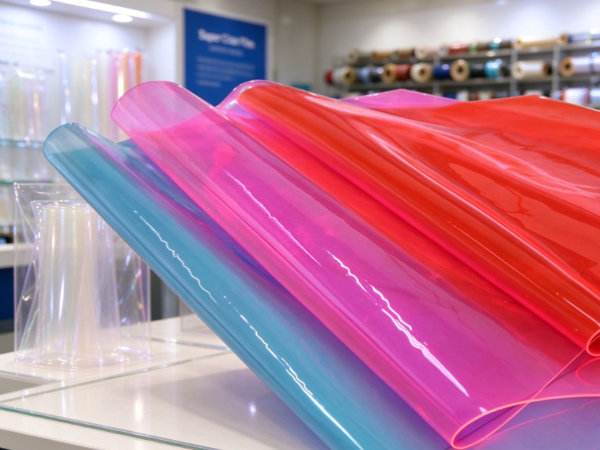
The term "super clear" generally refers to a film developed for high visual clarity and a clean appearance. It's often selected when the material should protect or contain an item without hiding it from view. The exact meaning of the term can vary between suppliers, though. Buyers should review product samples and specifications rather than relying on the name alone.
PVC film may be available in flexible or more rigid forms. Flexible film can bend around products or move with a curtain or cover. More rigid versions can provide a stable transparent surface for packaging components, display panels, and other formed products.
The material can also be supplied in different surface finishes. Some applications require a smooth, glossy appearance. Others may call for a specific texture or additional processing. The choice depends on the product's purpose and the visual effect required.
For businesses, the key point is that PVC film isn't a single uniform product. It's a category of transparent PVC materials that can be adapted to different manufacturing and design needs.
How Is Super Clear PVC Film Made?
The production process affects the clarity, flexibility, and consistency of the finished film. Manufacturers need to control both the material formulation and the way the film gets formed. Small differences in these stages can influence the appearance and handling properties of the final product.
Production generally starts with PVC resin and other ingredients selected for the intended application. Depending on the formulation, these may include materials that help adjust flexibility, processing behavior, stability, or surface characteristics. The combination must suit the planned product and its expected conditions of use.
The prepared material then gets processed into a continuous film. Manufacturers may use different forming methods depending on the desired film characteristics and production requirements. During this stage, the material gets shaped into a thin layer and controlled to achieve a consistent appearance.
Cooling and finishing help stabilize the film after forming. The material may then get inspected, cut, or wound into rolls. Additional processing can be used when the final application requires particular surface properties or dimensions.
Several aspects of production deserve attention:
- Material preparation: The selected ingredients influence the film's appearance, flexibility, and handling behavior.
- Film forming: The process must create an even surface and maintain consistent material distribution.
- Cooling and stabilization: Proper handling after forming helps the film retain its intended shape.
- Surface inspection: Manufacturers check for visible defects that may affect appearance or use.
- Roll winding and packaging: Finished film should be handled in a way that reduces scratches, creases, and contamination.
These steps connect to each other. A clear formulation can't compensate for poor processing, and careful forming can't fully correct unsuitable raw materials. Consistent production depends on managing the complete process, not just one stage.
For buyers, understanding how a supplier controls production can help when comparing different sources of super clear PVC film. A sample can show the appearance of the material, while information about manufacturing and inspection provides context for assessing consistency across an order.
What Properties Make Super Clear PVC Film Useful?
The usefulness of super clear PVC film comes from the combination of transparency and practical handling characteristics. Its suitability depends on the formulation, processing method, and conditions in which it'll be used.
Visual clarity is the feature that distinguishes this film in many applications. It allows products, printed materials, or display contents to remain visible. This can be valuable in packaging and retail environments, where buyers need to see the item without opening the package.
Flexibility matters for products that must bend or adapt to a shape. Flexible PVC film can get used for covers, curtains, sleeves, and other components that need to move during normal handling. The level of flexibility varies by product, so the material should be selected according to the demands of the application.
Surface quality affects both appearance and use. A smooth surface can support a clean visual presentation and make the film suitable for display windows or transparent packaging. Scratches, marks, bubbles, or uneven areas may reduce the visual effect considerably.
Processability also makes PVC film useful. Depending on its formulation and construction, it may be cut, folded, formed, or joined with suitable methods. These options let manufacturers turn a roll of film into a wide range of finished products.
Resistance to everyday handling can be relevant in packaging and protective applications. The material may help shield items from dust, contact, or light surface abrasion. It shouldn't be assumed to provide protection against every chemical, environmental condition, or form of physical damage, though.
The table below shows how these properties relate to common product requirements.
| Property | Why It Matters | Typical Consideration |
|---|---|---|
| Transparency | Keeps contents visible | Check clarity, haze, and surface appearance |
| Flexibility | Allows bending or wrapping | Match the film to the required movement |
| Surface quality | Supports a clean visual presentation | Inspect for scratches, marks, and uneven areas |
| Processability | Supports conversion into finished products | Confirm compatibility with cutting, forming, or joining methods |
| Durability | Helps the material withstand intended handling | Assess performance under expected conditions |
No single property determines suitability. A film chosen for a display window may need a different balance of clarity and rigidity than one used in a flexible cover. Buyers should evaluate the complete set of requirements before selecting a product.
Where Is Super Clear PVC Film Commonly Used?
PVC film appears in many applications because it allows visibility while providing a physical layer between the product and its surroundings. The same basic material can serve different functions depending on its thickness, flexibility, and processing.
- Packaging
Clear PVC film can be used in packaging components that let customers see the contents. Examples include transparent sleeves, product windows, formed packaging, and protective outer layers. Visibility can help identify the product without removing it from its packaging.
- Stationery and document products
Transparent film gets used in document covers, folders, sleeves, and organizers. It helps protect papers from everyday contact while keeping labels, printed pages, and other contents visible.
- Protective curtains and covers
Flexible clear PVC materials can be made into curtains, covers, and partitions for selected indoor or industrial settings. They allow people to see through the barrier while helping separate spaces or reduce direct exposure to dust and routine contact.
- Retail displays
Clear film can form windows or covers for display units, product holders, and presentation packaging. It helps keep products visible while creating a barrier against handling and surface contamination.
- Industrial and general-purpose products
Depending on its formulation, clear PVC film can get converted into protective layers, flexible panels, equipment covers, and other components. The specific grade must match the working environment and the required level of flexibility.
These examples illustrate the range of potential uses, but not every PVC film suits every application. Food contact, medical use, outdoor exposure, and other specialized environments may involve additional material and regulatory requirements. Buyers should confirm that the selected product is appropriate for the intended use.
How Does Super Clear PVC Film Differ from Other Transparent Materials?
PVC film competes with several transparent materials, including PET film, polyethylene film, and other plastic sheets. These materials may look similar at a glance, but their properties and processing requirements can differ quite a bit.
PVC is often chosen when flexibility and ease of conversion matter most. Depending on the formulation, it can be produced in forms that bend readily or retain a more stable shape. This makes it useful for products ranging from flexible sleeves to formed packaging components.
PET film is commonly selected for applications that require a different balance of stiffness, dimensional stability, and surface performance. It may suit packaging, printing, and other uses where the film must retain its shape during handling. Its behavior differs from PVC, so direct substitution isn't always practical.
Polyethylene film is often associated with flexible packaging and protective applications. It can provide a soft, bendable material, but its surface characteristics and clarity may differ from those of super clear PVC film.
The choice should rest on the final product rather than transparency alone.
| Material | General Characteristics | Common Selection Considerations |
|---|---|---|
| Super clear PVC film | Available in flexible and more rigid forms | Clarity, flexibility, forming needs, and intended environment |
| PET film | Often offers a stable shape and a firm feel | Stiffness, dimensional stability, printing, and packaging needs |
| Polyethylene film | Commonly used in flexible packaging | Softness, sealing requirements, and protective function |
| Other clear plastic sheets | Properties vary by material type | Impact needs, appearance, forming methods, and service conditions |
Material names alone don't guarantee a particular level of clarity or durability. Formulation, processing, surface finish, and product design all affect performance. When a project involves switching from one material to another, testing the finished component can help identify differences that may not be obvious from a sample sheet.
What Factors Affect the Quality of Super Clear PVC Film?
Quality is especially important when a film is used in products where appearance is part of the customer's experience. A transparent material is typically expected to look clean and uniform, so even small defects can become noticeable fast.
Several factors influence the finished film.
Raw material selection affects the film's basic characteristics. The formulation must suit the desired level of clarity, flexibility, and stability. Unsuitable ingredients may affect the appearance or handling properties of the material.
Processing consistency shapes the film's surface and uniformity. Variations during forming can lead to uneven areas, changes in appearance, or differences in thickness. Careful control helps reduce these problems.
Surface cleanliness matters during both production and storage. Dust, particles, and handling marks may become visible when the film gets viewed against a contrasting background. Clean processing and suitable packaging can help protect the material.
Roll handling is another consideration worth flagging. Improper winding, storage, or transportation may cause creases, pressure marks, or scratches. Even if the film was produced correctly, poor handling can affect its condition by the time it reaches the buyer.
Inspection practices help catch defects before the product ships. Depending on the intended use, checks may cover transparency, surface appearance, dimensions, flexibility, and other agreed requirements.
Buyers can assess quality through several practical steps:
- Examine the film under consistent lighting.
- Check for visible marks, bubbles, particles, and uneven areas.
- Compare samples from different suppliers under similar conditions.
- Confirm the material suits the intended forming or converting process.
- Review how the supplier packages and handles finished rolls.
- Clarify inspection criteria before placing a larger order.
Clear requirements make the process easier for both sides. If the buyer needs film for a transparent display window, visual clarity may get particular attention. If the film will be folded or formed, handling and processing behavior may matter just as much.
How Should Buyers Choose a Super Clear PVC Film Supplier?
Choosing a supplier requires more than finding a product with a clear appearance. Buyers need to consider whether the material fits their application, whether the supplier can maintain consistency, and whether the product can be processed as planned.
A useful starting point is defining the intended use. Packaging, stationery, protective covers, and industrial components may require different combinations of flexibility, surface finish, and durability. The buyer should explain how the film will be handled and converted into the final product.
The supplier can then help identify a suitable material grade. Buyers should request samples and evaluate them under conditions similar to those expected during production or use. This matters particularly when transparency, surface appearance, or flexibility plays a major role.
Communication about product requirements should be specific. Instead of asking only for "super clear PVC film," buyers can describe the intended application, preferred appearance, required flexibility, processing method, and packaging format. This helps reduce the chance of receiving a material that looks suitable but performs differently during manufacturing.
Several points are worth discussing with potential suppliers:
- Product range: Does the supplier offer film types suited to the intended application?
- Quality consistency: How are surface defects, clarity, and product variation checked?
- Customization: Can the supplier accommodate the required roll format, dimensions, or finishing needs?
- Technical support: Can the supplier explain material selection and processing considerations?
- Packaging and delivery: How will the film be protected during storage and transportation?
- Documentation: Can the supplier provide relevant material information and any required compliance documents?
Buyers should also verify application-specific requirements before confirming an order. Film intended for ordinary stationery may not suit direct food contact or regulated medical applications. Requirements can differ according to the product and destination market.
A clear sourcing process helps both buyers and suppliers understand what the material needs to do. It also gives the production team a practical basis for checking the finished film and catching issues before they affect downstream manufacturing.