

 English
 русский
 Español
 عربى


PVC transparent film turns up almost everywhere once you start looking for it. That clear surface lets people see straight through to whatever's underneath, while its flexible or rigid versions adapt to all kinds of product designs. Depending on formulation and how it's processed, this film ends up in packaging, protective covers, stationery, retail displays, household goods, and plenty of industrial work besides.
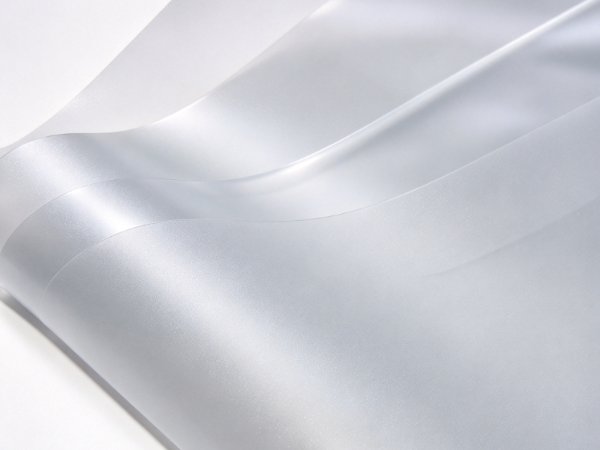
For manufacturers and buyers, the real appeal comes down to combining visibility with actual protection. It keeps products covered without hiding what they look like — and it cuts, shapes, prints, and processes easily enough to fit a lot of different uses. That combination makes it a genuinely useful material for businesses needing transparent surfaces in daily production.
That said, not every application calls for the same type of film. Some products need something soft that bends readily; others need a firmer sheet that holds its shape no matter what. Clarity, flexibility, thickness, durability, processing demands — all of this factors into picking the right material. Getting a sense of how different industries actually use PVC transparent film helps buyers zero in on suitable products and communicate their needs a lot more clearly.
1. How Is PVC Transparent Film Used in the Packaging Industry?
Packaging is probably the biggest application area for film. Plenty of products need packaging that protects contents while still letting customers see what they're buying. Clear film handles this well in packaging designs where visibility is actually part of the sales pitch.
PVC film shows up in blister packaging, transparent boxes, product sleeves, and all kinds of other packaging components. It keeps shape, color, and detail visible — genuinely useful for consumer goods leaning on visual presentation, things like small accessories, stationery, household items, select personal care products.
Packaging manufacturers also use PVC film to build covers and windows into larger packaging structures. A transparent section lets a package get inspected without needing to be opened. For retailers, that supports identification and display on the shelf. For manufacturers, it's another way to combine protection with visible presentation.
Which film actually makes sense depends on the packaging design and the product it's wrapping. Some packages need flexible film that follows a particular shape closely. Others need something firmer that holds a defined form regardless. Buyers should also think through the intended printing method, sealing process, storage conditions, and how the film plays with whatever's being packaged.
When sourcing PVC film for packaging work, it's worth explaining the final application clearly rather than requesting material based on looks alone. A clear description of the packaging structure, processing method, and expected use lets the supplier recommend something that actually fits.
2. Why Does the Printing and Advertising Industry Use PVC Transparent Film?
Printing and advertising businesses constantly work with materials needing to carry text, graphics, color, or product information. PVC film works as a base for printed designs, labels, signs, decorative elements, and all kinds of visual communication products.
Its transparent surface opens up design possibilities most opaque materials can't match. Printed graphics layered against clear areas create a sort of depth effect. Useful for product labels, window graphics, promotional displays, packaging inserts — depending on the film and printing process, designers can leave certain areas transparent while placing images or text elsewhere entirely.
PVC transparent film also fits signs and display materials needing a lightweight, clear surface. Sometimes it protects printed content underneath; sometimes it's part of the display structure itself. In some applications it's a visible design element in its own right; in others, it just supports graphics or decorative patterns sitting on top.
Material choice really matters here because printing requirements shift a lot from one job to the next. The surface has to get along with the chosen ink and printing process. Adhesion, clarity, flexibility, surface condition — all of it shapes the final look. A film that works beautifully with one printing method might disappoint with another entirely.
Before locking in an order, printing businesses should confirm the film's actually built for their production process. Testing a sample first catches problems with ink adhesion, surface appearance, handling, cutting — especially worth doing on projects with detailed graphics or a need for consistent appearance across multiple production runs.
3. Which Roles Does PVC Transparent Film Play in the Retail and Display Industry?
Retail displays live and die on visibility. Customers want to actually examine a product before buying it, and retailers need display materials that don't get in the way of that view. Film supports this in product holders, display boxes, protective panels, shelf organizers, point-of-sale materials.
Clear display packaging keeps products visible while cutting down on dust contact and direct handling. It also helps organize small items in retail settings. For anything with a distinctive shape or color, transparent material lets those visual features stay part of the display instead of getting hidden away.
The film also finds its way into promotional fixtures and temporary display builds. Retailers might use it to cover printed signs, build clear compartments, or create windows in display units. How well it fits really depends on the structure itself and how much handling the piece will see.
Different retail settings put different demands on display materials. A small product holder usually needs a firm surface holding its shape reliably. A flexible cover fits better around a curved or irregular object. A display sitting near a window needs some thought given to light exposure and environmental conditions too.
Worth thinking through how the display gets assembled, cleaned, transported, used day to day. Scratches, surface marks, appearance changes over time — all of this affects how the product actually gets presented. Matching film to the display design cuts down on wasted material and simplifies production generally.
4. How Is PVC Transparent Film Applied in the Stationery and Office Supplies Industry?
Stationery products often blend practical function with visual design, and transparent film fits into select items here because it provides a clear, flexible, or shaped surface for everyday use.
Think document covers, notebook covers, folders, pencil cases, card holders, book protectors, transparent pockets. These let people see documents or stored items without pulling them out of the holder — handy for identifying contents fast in classrooms, offices, libraries, storage spaces.
In some products, PVC film is the main outer layer. In others, it works as a window or protective cover attached to something else entirely. Which approach fits depends on what the stationery item actually needs to do. A folder needs flexibility for repeated opening and closing. A document cover needs enough firmness to hold its shape over time.
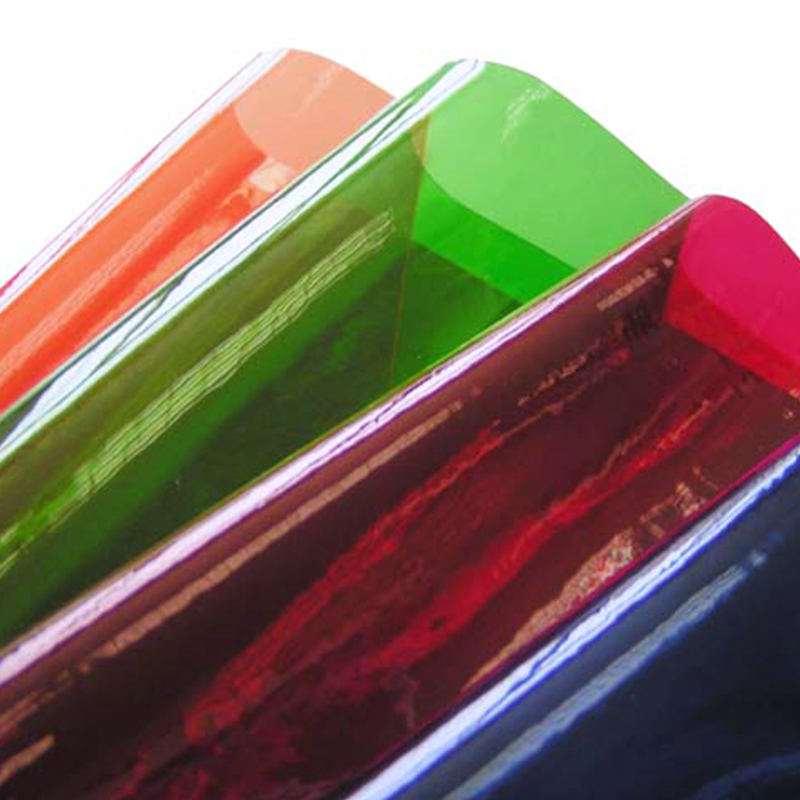
Appearance matters here too. People often prefer clear film that keeps printed pages or decorative patterns visible underneath. Some products use colored or textured transparent film instead, trading some visibility for a different visual effect.
For manufacturers, processing considerations deserve attention during development — cutting, folding, stitching, bonding, edge finishing can all shift the final result. The film needs to work well alongside whatever other materials go into the product, and buyers should think through how the finished item actually gets handled day to day.
5. Can PVC Transparent Film Be Used for Household Products and Protective Covers?
Household products frequently need materials that cover surfaces without completely hiding them. PVC transparent film works in select table covers, storage covers, protective curtains, clear organizers, and other household accessories built around this exact need.
Transparent table covers are a familiar example. They let the color and pattern of the surface underneath stay visible while adding a protective layer against everyday objects and spills. Flexible PVC film also shows up in covers for furniture, storage items, household equipment, depending on how the product's designed.
Clear storage products are another common application. Transparent pockets and covers make identifying stored items a lot easier. In closets, workshops, household storage areas, that visibility cuts down on digging through multiple containers hunting for one specific object.
Some designs use transparent film as part of a flexible curtain or screen, separating spaces while still letting light and visibility pass through. How well that works depends on the intended environment, installation method, and whatever conditions it has to withstand long-term.
Household use calls for real attention to how the product's actually used. A decorative cover has very different requirements from something exposed to constant movement, cleaning, or contact with household substances. Checking care instructions and compatibility with the intended surface matters here.
Products touching food, children, or other sensitive uses need extra scrutiny. General-purpose PVC film shouldn't get treated as automatically suitable for food contact or children's products — relevant compliance documentation and intended-use confirmation need checking before selecting material for anything in that category.
6. How Do Industrial Businesses Use PVC Transparent Film?
Industrial settings use transparent materials wherever visibility and separation both matter at once. PVC transparent film shows up in flexible covers, equipment enclosures, viewing windows, partitions, protective barriers — depending on its build and how well it suits the actual working environment.
A transparent cover shields equipment or stored items from dust and ordinary contact while still letting operators see what's underneath. In work areas, clear flexible curtains can separate spaces without fully blocking the view between them — practical stuff for workplace organization that doesn't need full walls.
PVC film also fits into industrial bags, covers, and temporary protective structures. Its flexibility suits products needing to bend, fold, or wrap around different shapes. Firmer versions make more sense when the design needs a surface that holds its form reliably instead.
Industrial use puts real demands on material choice, though. A film that works fine for a simple cover might fail completely under high temperatures, chemical exposure, repeated mechanical stress, or specialized safety requirements. Transparency by itself doesn't prove a material can handle any of that.
Businesses should pin down the actual operating environment before picking a film — checking resistance to whatever substances show up at work, cleaning demands, expected movement, any need for specialized certifications. Where the film's part of a safety barrier or machine enclosure, the whole design deserves evaluation against the applicable safety requirements, not just the film in isolation.
7. What Should Buyers Consider When Choosing PVC Transparent Film for Different Industries?
PVC transparent film shows up across a huge range of sectors, but the right material always comes back to the final product. Buyers do better evaluating intended use, production process, and required appearance together — rather than picking based on price or transparency alone.
Here's a rundown of factors worth reviewing when sourcing material for different applications.
| Evaluation Area | What Buyers Should Check | Why It Matters |
|---|---|---|
| Transparency | Clarity, surface appearance, and visibility | Supports product display and visual inspection |
| Flexibility | Whether the film needs to bend, fold, or retain its shape | Helps match the material to the product structure |
| Surface quality | Smoothness, visible marks, and consistency | Influences the finished product's appearance |
| Processing compatibility | Cutting, printing, bonding, folding, or forming needs | Helps the film work with existing production methods |
| Intended environment | Exposure to light, heat, moisture, or chemicals | Helps identify material limitations before use |
| Product requirements | Contact conditions and applicable compliance needs | Supports appropriate selection for the intended application |
| Supply consistency | Sample approval, material documentation, and order communication | Helps maintain consistency across production batches |
Thickness and stiffness need weighing against the product's actual design. Too flexible, and it won't support a structured package. Too firm, and folding or shaping into a particular cover gets difficult fast. Explaining the required function clearly to the supplier lets them assess the material properly in context, not guess at it.
Processing methods shape the decision too. Printing businesses need film compatible with their specific printing system. Packaging manufacturers care more about forming and sealing. Stationery producers prioritize folding, bonding, repeated handling. Industrial users need to weigh environmental exposure and safety requirements on top of everything else.
Sample evaluation is really the practical way to check all this. Examining clarity, handling, cutting performance, compatibility with other components before signing off on larger orders saves a lot of headaches. For anything manufactured repeatedly, clear material specs and documented sample approval cut down on misunderstandings down the line.
8. How Can PVC Transparent Film Manufacturers Meet Different Industry Needs?
PVC transparent film manufacturers juggle customers with wildly different product designs, processing methods, purchasing requirements. A packaging company might need material for transparent boxes; a stationery producer needs film for folders and document covers; an industrial customer needs a flexible cover suited to a specific working environment. All of this calls for genuinely clear communication between buyer and supplier.
A good starting point is just describing the finished product plainly. Explain whether the film's working as a cover, a display window, a printed surface, or a structural component. Details about processing method and operating environment help the manufacturer actually assess the request properly instead of guessing.
Customization might touch material flexibility, surface appearance, color, dimensions, roll format. What's actually available depends on the manufacturer's production capability and the intended application. Worth confirming upfront which features can flex and which requirements might limit material choices.
Quality checks matter for long-term supply too. Consistency in transparency, surface condition, material handling affects whatever comes next in production. Manufacturers and buyers cut down on avoidable problems by agreeing on acceptance criteria, confirming samples properly, keeping product requirements clear from the start.
Communication gets especially important once multiple departments are involved. Purchasing teams tend to focus on cost and delivery; production teams care more about processing and finished-product quality. Sharing the same material description and approved sample across both groups keeps everyone working from the same page.
For businesses sourcing PVC film, a good supplier should be able to talk through the intended application, walk through available material options, and hand over relevant product information without much friction. The goal stays simple: pick a film that actually fits the real use, supports the required production process, and meets whatever standards apply to the finished product.