Walk through any furniture factory, and PVC film appears everywhere. Rolls of the material sit near laminating machines. Panels move through wrapping stations. Finished cabinet doors come off the line with the film already applied. PVC Film For Furniture has become a common material in the industry.
PVC stands for polyvinyl chloride, a synthetic plastic material. For furniture applications, the PVC gets processed into thin, flexible sheets with a decorative surface. The film comes in rolls of various widths and thicknesses. The decorative side carries a printed pattern, color, or texture. The reverse side usually has a primer or adhesive system that bonds to the substrate.
Furniture manufacturers choose PVC film for several reasons. The material provides a durable surface that resists scratches, moisture, and everyday wear. The design options are extensive, ranging from realistic wood grains to bold solid colors. The processing methods are well-established and fit into existing production lines.
What Are the Primary Production Applications of PVC Film For Furniture
Surface lamination serves as the common application for PVC film. The film bonds to flat panels of MDF, particleboard, or plywood. The laminated panel becomes the surface of a tabletop, a cabinet side, or a shelf. The process fits into a production line where panels move through adhesive application and pressing.
Vacuum forming wraps the film around three-dimensional shapes. The film gets heated and drawn over a shaped substrate using vacuum pressure. The edges and corners of cabinet doors, curved drawer fronts, and shaped panels all get covered. The film conforms to the shape and stays in place after cooling.
Door and cabinet production makes heavy use of PVC film. Kitchen cabinets, wardrobe doors, and bathroom vanities all receive the material. The film covers both flat surfaces and profiled edges. A single piece of film can cover the entire face of a door, including the recessed areas of a raised panel design.
How Does PVC Film Support Surface Lamination in Daily Production
The lamination process starts with a clean, prepared substrate. The panel surfaces get sanded and cleaned to ensure good adhesion. Adhesive gets applied to the panel or to the back of the film. The film presses onto the panel, either through a roller system or a heated press.
Compatibility with common substrate materials keeps the process practical. MDF, particleboard, and plywood all bond well with PVC film. The adhesive systems used in the process have been developed specifically for bonding PVC to engineered wood products.
The adhesive selection affects production efficiency. Some adhesives require heat activation. Others cure at room temperature. The production line must accommodate the curing time and temperature requirements of the chosen adhesive system.
What Role Does PVC Film Play in Vacuum Press Operations
Vacuum pressing allows a single piece of PVC film to cover an entire shaped surface. The process begins with a substrate that has been machined to its final shape. The film gets positioned over the substrate, and the assembly goes into a vacuum press. Heat and vacuum draw the film down onto the substrate.
The film must have the thermal stability to withstand the heating and forming process. A film that shrinks too much or distorts during heating will not conform properly. High-quality PVC Film For Furniture maintains its dimensions through the forming cycle.
Common furniture items produced through vacuum forming include cabinet doors, drawer fronts, and curved panels. The technique produces seamless coverage on complex shapes. The film wraps around edges and contours without the visible seams that would appear with flat lamination.
How Does PVC Film Contribute to Production Versatility
The range of design options available in PVC film gives furniture manufacturers flexibility. Wood grain patterns capture the look of oak, walnut, cherry, and other species. Solid colors come in any shade. Metallic and marble finishes offer additional design directions.
| Design Category |
Examples |
Typical Applications |
| Wood grain |
Oak, walnut, cherry, maple |
Cabinets, furniture panels, shelving |
| Solid colors |
White, grey, beige, black |
Modern furniture, office furniture |
| Textured finishes |
Embossed wood, linen, leather |
High-end furniture, decorative panels |
| Metallic and marble |
Gold, silver, marble patterns |
Accent pieces, specialty furniture |
Embossed surfaces add tactile realism to the film. A wood grain pattern with embossing feels like real wood. The texture follows the printed pattern, creating a convincing substitute. The combination of visual and tactile realism makes PVC film a practical choice for furniture applications.
What Performance Characteristics Make PVC Film Production-Friendly
Material behaviour during processing affects everything that follows. Film that shrinks or stretches unexpectedly will not match the substrate. The result is misaligned edges, gaps at corners, or film that pulls away from the surface over time. Good film stays stable through the heat and pressure of lamination and forming.
Cracking and whitening cause problems during edge wrapping and profiling. A film that cracks at a sharp corner creates a visible defect. One that whiteens along a fold line shows a stress mark that cannot be removed. Both defects appear after processing, so the damage gets discovered late in the production cycle.
A few performance points that support smooth production:
- Dimensional stability through heating and cooling cycles
- Resistance to cracking when wrapped around edges
- Uniform thickness across the full roll width
- Consistent surface quality from roll to roll
- Reliable adhesion without bubbles or lifting
Uniform thickness matters because the film responds to heat based on its thickness. Thin spots overheat or tear. Thick spots do not form properly. A roll with consistent gauge processes smoothly from start to finish.
What Production Considerations Apply to Different Thicknesses
PVC film thickness varies across a range. Thinner films cover flat surfaces where durability matters less. They apply easily, heat up fast, and cost less per square metre. The lighter film suits shelf panels, interior surfaces, and decorative accents.
Thicker films handle more demanding applications. They resist impacts better. They hold their shape around deep profiles and sharp corners. They last longer on surfaces that see frequent use. The added material cost offsets against longer service life and fewer replacements.
Choosing the right thickness for the job:
- Thin film (0.15-0.25mm): flat panels, shelving, interior surfaces
- Medium film (0.25-0.35mm): cabinet doors, general furniture
- Thick film (0.35mm+): high-wear surfaces, profiled edges
The choice affects more than durability. Thicker film takes longer to heat and form. It requires more pressure in the press. It may need different adhesive or longer cooling time. Production planning should account for these differences.
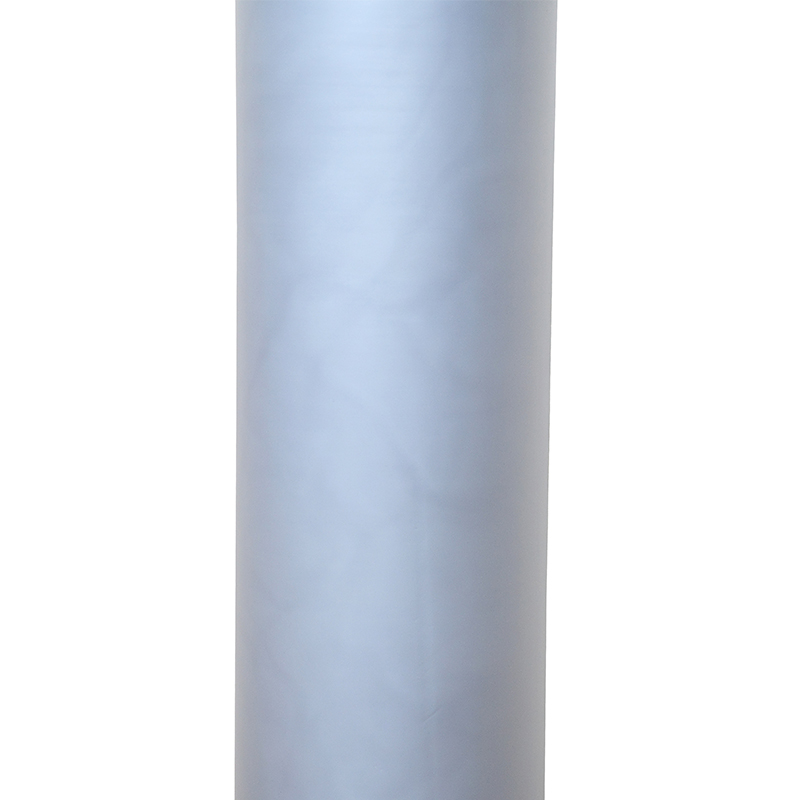
How Does PVC Film Address Durability and Protection in Furniture
Furniture takes a beating. Keys scratch the surface. Coffee spills and gets wiped. Books get slid across the tabletop. Sunlight fades colours over time. The surface covering must handle all of that and still look good years later.
PVC film handles these challenges better than many alternatives. The plastic composition resists the fine scratches that dull painted surfaces. It does not absorb moisture, so spills wipe clean without leaving marks. The colour holds up better than some printed finishes because the pigment sits within the film rather than on top.
A few ways PVC film protects furniture surfaces:
- Resists scratching from everyday use
- Repels moisture and liquids
- Withstands common household cleaners
- Maintains colour through sun exposure
- Cleans easily with a damp cloth
The protective layer does not require special care. Wipe it down like any other surface. The film keeps the substrate underneath safe from damage that would otherwise ruin the piece.
What Environmental and Compliance Factors Affect Production Use
Furniture made for indoor spaces must meet certain standards. Materials that release harmful substances affect indoor air quality. PVC film formulations have adapted to meet these concerns. Some films now contain no formaldehyde at all.
Compliance requirements vary across markets. What passes in one region may not pass in another. A furniture manufacturer serving multiple markets needs film that meets all relevant standards. Supplier documentation provides the evidence needed for compliance.
The supplier's role extends beyond delivering material. Quality checks, testing records, and certification documents all support the furniture manufacturer's own compliance efforts. A supplier with good systems reduces the burden on the furniture maker.
Why Has PVC Film Become a Production Mainstay
PVC film delivers consistent results across a wide range of furniture applications. The same material runs through flat lamination and vacuum forming lines. The same rolls produce cabinet doors, shelving, and decorative panels. Versatility keeps inventory simple and production flexible.
The value proposition makes sense. The material costs less than natural wood veneer or solid surface materials. Processing costs remain moderate because the film handles easily and behaves predictably. Waste runs low because the material gives reliable results.
Design flexibility adds value. A single furniture line can offer multiple finishes by changing the film roll. Wood grains, solid colours, textured surfaces, and metallic finishes all come from the same material type. The manufacturer meets varied customer preferences without major retooling.
A few reasons PVC film stays in production use:
- Cost-effective compared to natural materials
- Processes easily on standard equipment
- Available in many patterns and textures
- Performs consistently across production runs
- Adapts to different furniture styles and applications
The material works. It moves through the factory, takes shape, and protects furniture surfaces for years. Manufacturers know what to expect from it, and that predictability keeps it in use. PVC Film For Furniture has earned its place in daily production work across the industry.



 English
 русский
 Español
 عربى
عربى

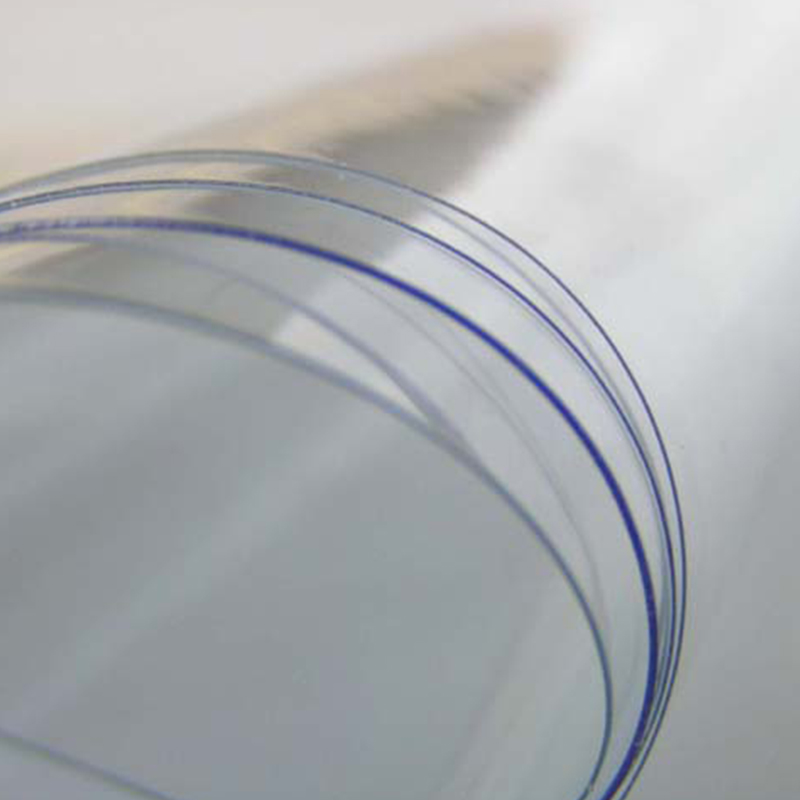 OverviewOur Super Clear PVC Film for tablecloths offers ultra-transparent protection while maintaining a sleek appe...
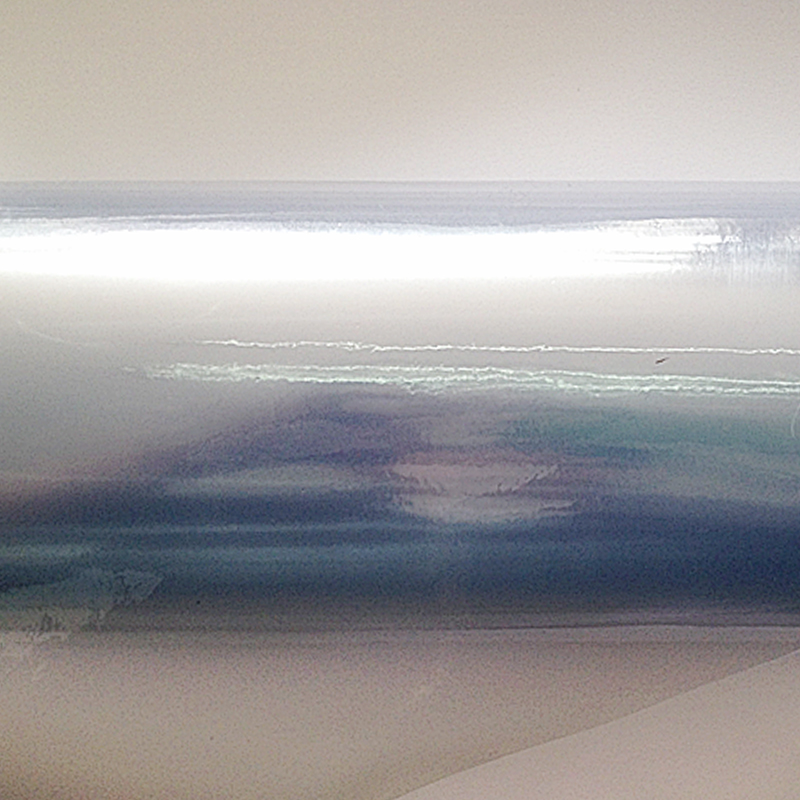 OverviewReliable clear PVC film featuring a powdered, non-sticky surface and slightly lower clarity. Normal Clear P...
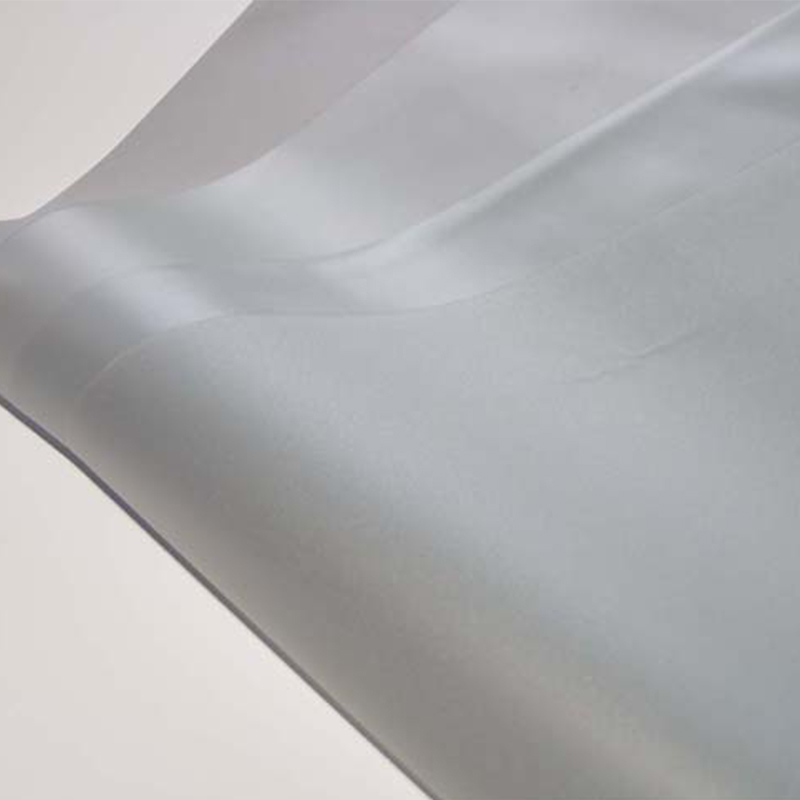 OverviewSemi-transparent PVC film with matte finish, delivering light diffusion and a refined tactile feel. Flexibl...
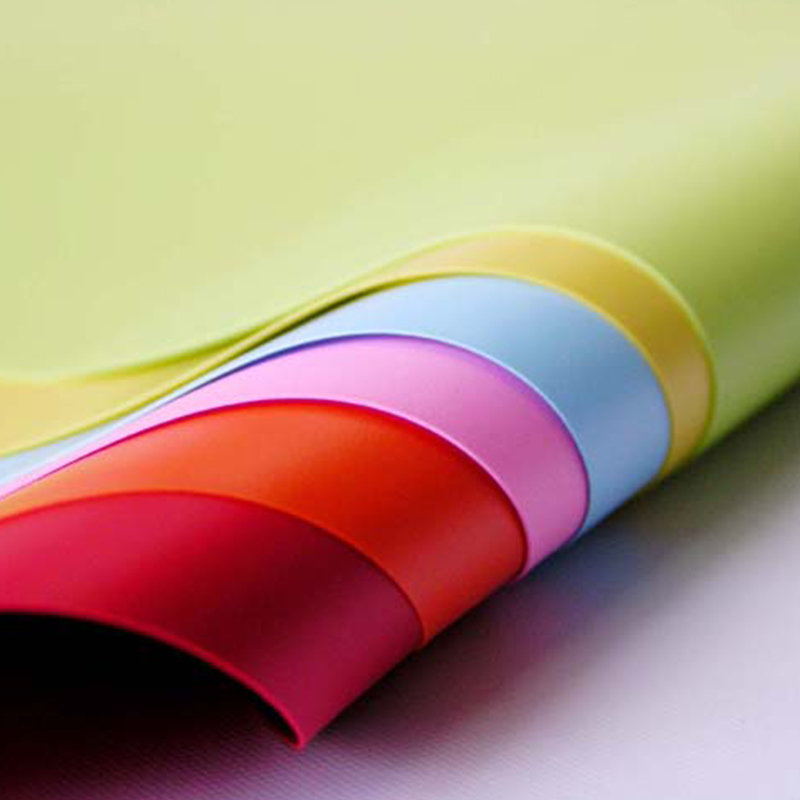 OverviewDecorative yet functional embossed PVC film combining color and surface texture for protective book covers....