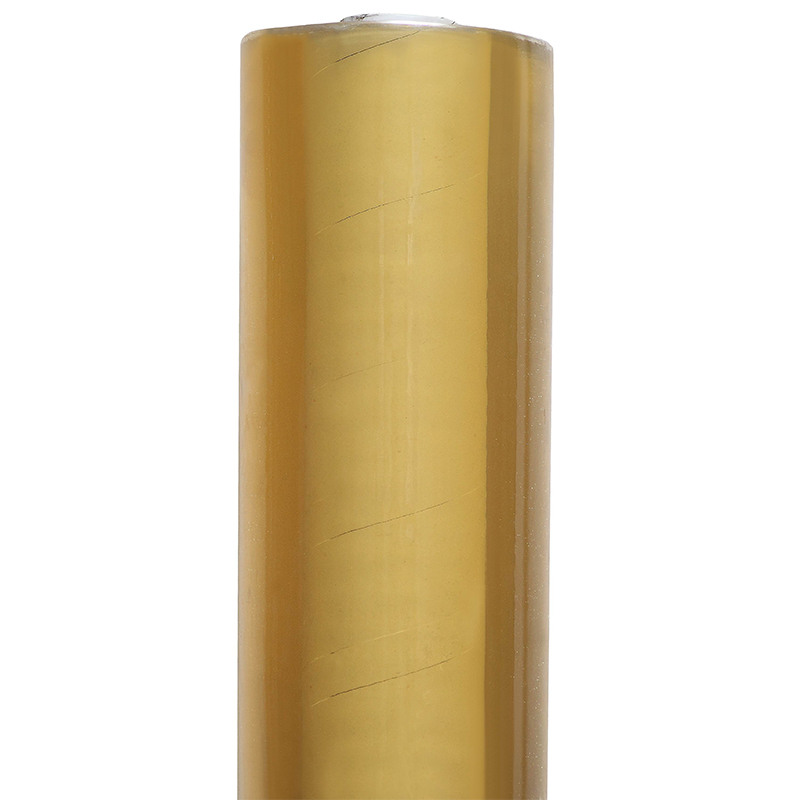
A PVC Packaging Film Roll looks fairly straightforward — a roll of clear plastic, ready to wrap around products. But the differences between rolls tend to show up in how well they perform across different applications. Some films stretch fairly easily around odd shapes. Others shrink tightly once heat gets applied. The properties built into the film tend to shape what kind of packaging task it's suited for.
The manufacturing process produces flexible or rigid films depending on the formulation used. Flexible PVC films contain plasticizers that keep the material soft and workable. Rigid PVC films contain little or no plasticizer, which tends to result in a stiffer material that holds its shape more readily. The distinction matters because flexible and rigid films end up serving fairly different packaging purposes.
Thickness and width tend to vary quite a bit across PVC Packaging Film Rolls. A thinner film generally works well for lightweight products and lower-cost packaging runs. A thicker film tends to offer more protection for heavier or sharp-edged items. The roll width ideally lines up with product dimensions to keep waste down during wrapping.
How Does Film Thickness Affect Packaging Performance
Thinner films tend to offer flexibility along with a bit of cost savings. The material uses less resin, so cost per roll usually runs a little lower. Thin films tend to work well for products that don't need heavy protection. The film conforms fairly easily to product shapes and generally seals reliably with standard heat sealing equipment.
Thicker films tend to bring more durability and protection into the mix. The extra material resists tearing and punctures better than thin film typically does. Thick films tend to suit heavier products, items with sharp edges, and shipments likely to face rougher handling along the way. That added protection tends to reduce damage during transit and storage.
The balance between material cost and protection needs tends to guide thickness selection. A thin film that fails during transit can end up costing more in damaged products than whatever was saved on the film itself. A thick film that goes well beyond what's actually needed adds material cost without much upside. Matching thickness to the product and its handling conditions tends to be the more practical approach.
A few points about thickness and applications:
- Thin films tend to suit lightweight, non-fragile items
- Medium films tend to balance cost and protection for a lot of products
- Thick films tend to work well for heavier or sharp-edged items
- The film generally should match the product shape and handling conditions
What Role Does Clarity and Finish Play in Film Selection
Higher-clarity films tend to present products fairly clearly. The film doesn't obscure much of what's inside the package. Clear films tend to work well for retail displays where product visibility matters to shoppers. Consumers can see the product without much distortion, and the packaging ends up complementing the item rather than hiding it.
Matte finishes tend to reduce glare and give packaging a somewhat more polished, professional look. The non-reflective surface tends to work well for products displayed under bright store lighting. Matte films also tend to accept printing more readily than glossy films do, which makes them a reasonable fit for branded packaging.
Optical quality tends to affect how the film looks once it's wrapped around a product. A film with decent optical quality tends to stay fairly clear and transparent even after stretching or shrinking. A film with weaker optical quality may turn cloudy or hazy, which can cut into product visibility on the shelf.
Which Shrink Film Properties Matter for Specific Applications
Shrink temperature tends to influence how much heat the film needs to shrink properly. A film with a lower shrink temperature generally works with less heat and shorter heating times. That lower-temperature shrink tends to suit high-speed packaging lines where dwell time near the heat source runs fairly short.
Shrink ratio measures how much the film shrinks in each direction. A film with a higher shrink ratio tends to conform more tightly to product shapes. The film draws in around corners and contours, giving a fairly snug fit. A film with a lower shrink ratio tends to fit a bit looser, which works fine for products that don't need especially tight wrapping.
Bi-axially oriented shrink films shrink in both the machine and transverse directions. The film tends to draw in fairly evenly from all sides, wrapping products more uniformly as a result. Standard films may shrink more in one direction than the other, which can produce somewhat uneven wrapping by comparison.
| Application Need |
Shrink Temperature |
Shrink Ratio |
Orientation Type |
| High-speed packaging |
Low |
Moderate |
Bi-axial |
| Tight product fit |
Moderate |
High |
Bi-axial |
| General purpose |
Moderate |
Moderate |
Standard |
| Irregular shapes |
Low to moderate |
High |
Bi-axial |
How Do Additives Customise PVC Film for Different Conditions
Additives tend to change how PVC film behaves in specific environments, sometimes fairly noticeably. Anti-static additives help prevent static electricity from building up on the film surface. The additive disperses through the material, letting electrical charge dissipate rather than accumulate. Dust-sensitive products like electronics tend to benefit from this feature, since static often attracts dust that can cause issues during assembly or later use.
UV resistance helps keep film from breaking down under sunlight exposure. Extended sun exposure tends to make some films brittle or discoloured over time. A UV-stabilised film generally holds up better even after prolonged outdoor storage or transit. Products that sit in warehouse yards or on store shelves exposed to sunlight tend to benefit from this feature more than most.
Anti-fog treatments help keep moisture from forming droplets on the film surface. The treatment lets condensation spread more evenly across the film instead of beading up in visible clusters. Refrigerated or chilled products often need anti-fog film so customers can still see the product clearly through the packaging.
Flame-retardant formulations tend to slow the spread of fire rather than stop it outright. Public buildings, aircraft, and industrial settings often call for packaging materials with flame-retardant properties. The additive doesn't make the film fireproof, but it does tend to slow down how quickly the material burns.
What Packaging Conditions Demand Specific Film Characteristics
Food packaging tends to call for films that meet safety standards fairly strictly. The film generally shouldn't release harmful substances into the food it's wrapping. The packaging also needs to help maintain freshness by providing some barrier against moisture and oxygen. Temperature fluctuations during storage and transport tend to affect how the film performs, so food-grade film generally needs to hold up reasonably well across the expected temperature range.
Furniture protection tends to call for films that resist tearing and abrasion. PVC Film For Furniture often needs to cover fairly large pieces without splitting during application. Furniture film may also need non-slip properties to keep stacked pieces from shifting around in transit. A PVC Packaging Film Roll used for furniture covers generally needs enough thickness to resist punctures from corners and edges.
Industrial packaging for heavier items tends to need durability and a fair bit of strength. The film should wrap securely around irregular shapes without stretching too thin in places. Higher-tensile films tend to resist tearing when pulled around products during wrapping. The film also needs to offer some protection against dust, moisture, and impact damage during transport.
Retail packaging tends to call for clarity and a decent appearance overall. The film should present the product fairly attractively, with reasonable transparency and minimal distortion. The finish generally needs to match the brand's image, whether that's glossy or matte.
How Does Film Hardness Influence Application Suitability
Rigid PVC films tend to hold their shape reasonably well. The material stays fairly stiff, which makes it useful for packaging that needs some structure. Blister packs and clamshell packaging often use rigid PVC to form cavities that hold products securely in place. That stiffness also tends to help protect products from crushing during handling.
Flexible PVC films wrap and conform to products more readily. The material bends and folds fairly easily, which suits shrink wrapping and overwrapping applications. Plasticizer content tends to shape the degree of flexibility here. Higher plasticizer content generally gives the film more stretch and conformability. Lower plasticizer content tends to make the film stiffer by comparison.
The choice between rigid and flexible PVC often comes down to the packaging format in question. A product sitting in a formed tray generally needs rigid film. A product getting wrapped in a looser cover generally needs flexible film instead.
What Manufacturing and Processing Factors Affect Film Choice
Heat sealing equipment generally needs to line up with the film's sealing characteristics. A film that seals at a specific temperature may not work as well with equipment running hotter or cooler than that. Seal strength also tends to vary with film formulation. Manufacturers usually test the film with their own equipment before committing to large-scale use.
Printability tends to matter quite a bit for branded packaging. A film that accepts ink fairly readily tends to produce sharper, more consistent print results. A film that rejects ink or smears during printing can create waste and delays along the line. The surface finish and film composition both tend to play into print quality here.
Dimensional stability during processing matters for keeping results consistent. A film that shrinks unevenly or changes shape during heating can create packaging defects down the line. The film ideally stays dimensionally stable through the entire packaging process from start to finish.
How Should Packaging Conditions Guide Film Selection
Storage temperature and humidity tend to affect film performance over time. A film that works well in one climate may behave a bit differently in another. Packaging that sits in a hot warehouse for months tends to need decent heat resistance. Packaging moving through cold storage tends to need low-temperature flexibility instead.
Handling and stacking conditions tend to affect film durability as well. A product stacked high during storage generally needs film that resists compression damage. A product handled frequently tends to need film that resists punctures from repeated contact over time.
Regulatory requirements tend to vary quite a bit across markets. Food packaging generally needs to meet safety standards for whatever market the product sells into. Products shipped internationally may need films that comply with more than one set of regulations at once.
A few questions worth asking before settling on a film:
- What temperature range will the packaging face?
- How will the product be handled and stacked?
- What regulatory requirements apply?
- What appearance does the brand generally call for?
- What processing equipment will be used?



 English
 русский
 Español
 عربى
عربى

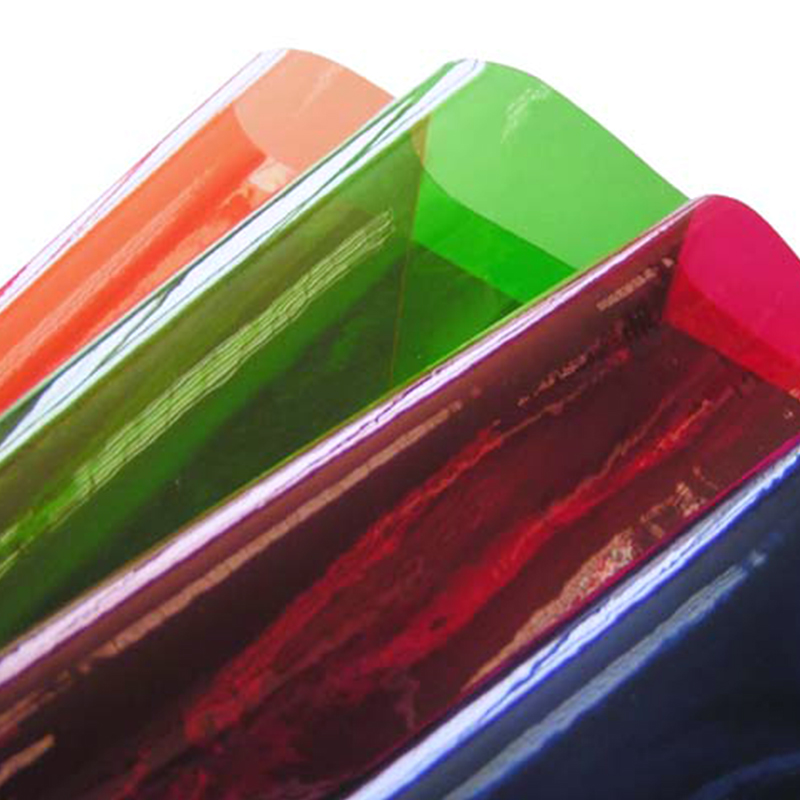
 OverviewOur Super Clear PVC Film for tablecloths offers ultra-transparent protection while maintaining a sleek appe...
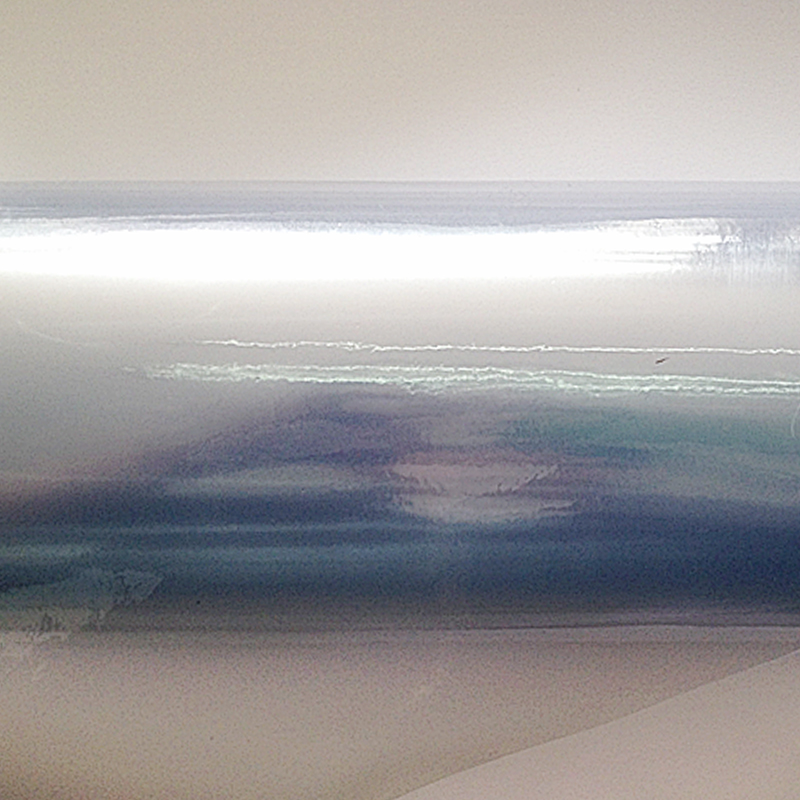 OverviewReliable clear PVC film featuring a powdered, non-sticky surface and slightly lower clarity. Normal Clear P...
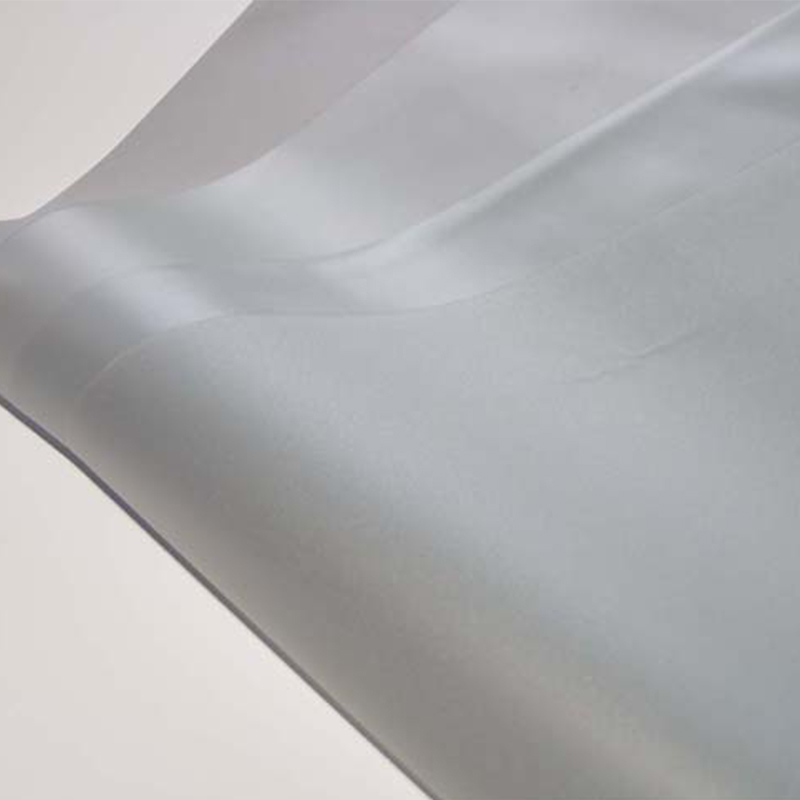 OverviewSemi-transparent PVC film with matte finish, delivering light diffusion and a refined tactile feel. Flexibl...
 OverviewDecorative yet functional embossed PVC film combining color and surface texture for protective book covers....